FEATURES
🏰news | features + short tasting note IN ENGLISH
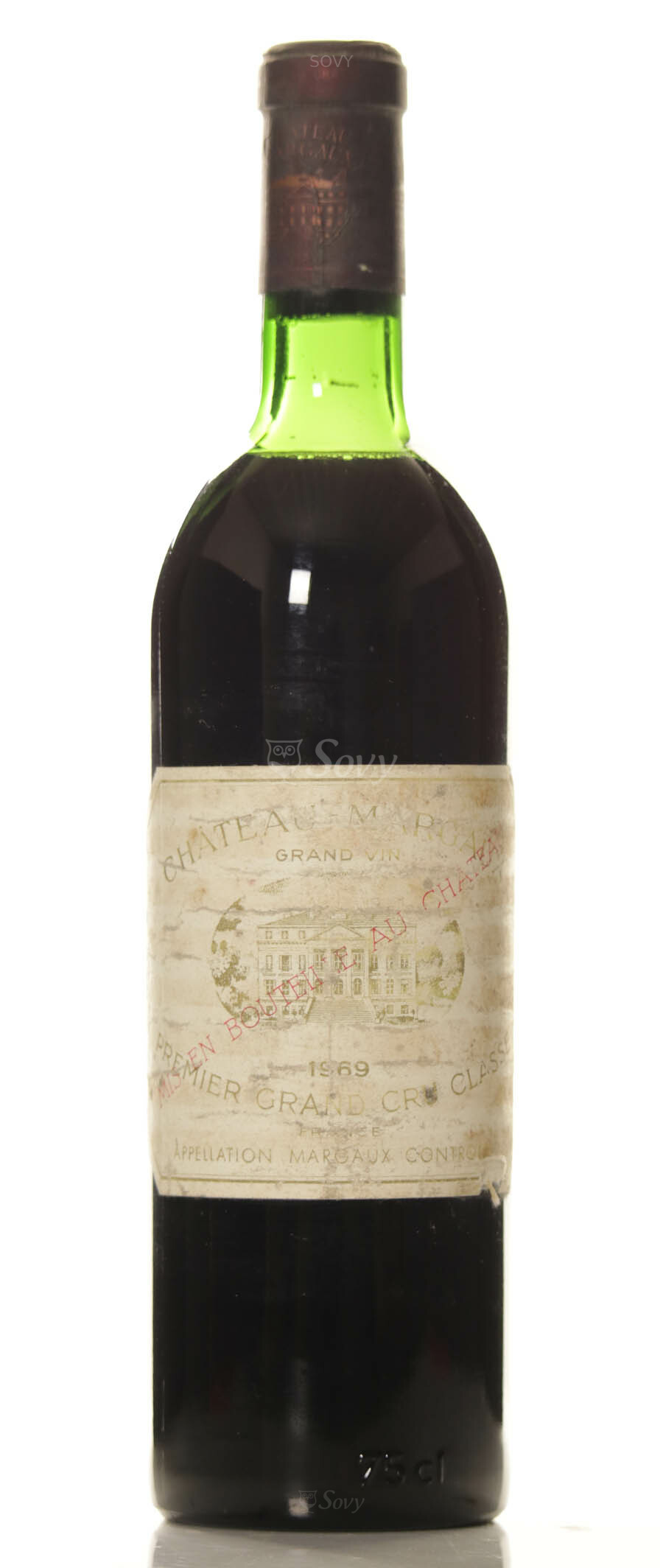
【A fascinating testament to its era, Château Margaux 1969, despite a challenging vintage, seduces with its exceptional terroir and aged charm!】 The 1969 vintage in Bordeaux was complex, marked by difficult climatic conditions and heavy rainfall that affected grape ripeness. However, Château Margaux, a Premier Cru Classé, leveraged its exceptional terroir to produce a wine that is a fascinating testimony of its time. This wine, typically dominated by Cabernet Sauvignon, offers a beautiful evolved hue, a slightly tiled ruby color. The nose is gorgeous, showing prominent oak elements with cooked and candied fruits, baking spice, and cedar. The palate is medium-bodied with relatively thin fruit, silky tannins, and graphite, leading to a very long savory finish. It presents evolved notes of stewed red fruits, blond tobacco, leather, and sweet spices, with a surprisingly smooth and enduring finish.
🍴 Chinese Cantonese food pairing various types of suggestion east or west corresponding to wine cost IN ENGLISH
This aged Château Margaux pairs wonderfully with refined dishes such as fillet of beef Rossini, roast pigeon, or wild mushrooms. It also complements beef and game (deer, venison, wild boar), Pauillac lamb, ceps (mushrooms prepared in risotto or pan-fried), and aged cheeses. For a truly special experience, consider a classic French coq au vin or a rich truffle-infused dish.
🥂 fit for event suggestion IN ENGLISH
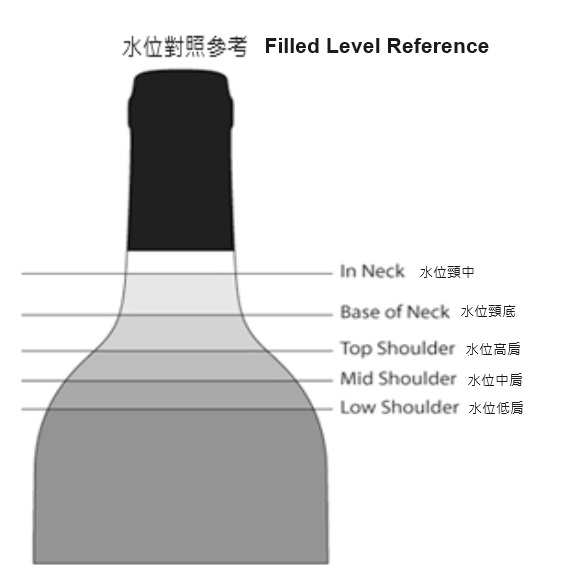
This 1969 Château Margaux is ideal for a truly momentous occasion, such as a significant anniversary or a birth-year celebration, especially for those who appreciate the nuances of aged Bordeaux. It's perfect for meditative tasting to savor its evolution. For serving, stand the bottle upright for several days to allow sediment to settle. While some suggest little decanting for older vintages, a brief decant (around 45 minutes) can help remove sediment and allow the wine to open up. Expect an intact cork, possibly soaked and with mold under the capsule, which is normal for a wine of this age. Serve at a cool cellar temperature to preserve its delicate complexities.
 Last One