FEATURES
The 2009 Didier Dagueneau Pur Sang is a compelling expression of Sauvignon Blanc from the legendary Saint-Andelain terroir in Pouilly-Fumé, Loire Valley. This vintage, though not universally heralded as stellar for Pouilly-Fumé, showcases the estate's ability to produce formidable wines, with some critics suggesting the 2009 collection might be among their best. The tragic passing of Didier Dagueneau in 2008 meant his son, Louis-Benjamin, continued the exacting and experimental style, ensuring the wines maintained their emphatic statement about site and winemaking. The Pur Sang fruit comes from clay-heavy soils, still ploughed by horse, reflecting the meticulous, low-yield approach of the estate.
Tasting notes reveal an intense and refined nose with layers of citrus zest, pear flesh, fine herbs, and a touch of light brioche, all framed by the estate's signature smoky, mineral character. On the palate, it's crystalline and vibrant, with chiselled acidity, a silky texture, and an incredibly long finish. Flavours of chalk, flint, and candied lemon echo the terroir's distinctive minerality. Some describe it as having a creamy, billowy texture undulating with citrus flavours and chalky phenolic stricture, yet remaining luscious within a frame of taut acidity and quartz-minerality. David Schildknecht of Wine Advocate noted delicious elder flower, white peach, and cassis aromas, with a vividly peachy and rock-licking minerality that could be mistaken for a great Riesling. 【Rock-licking minerality, often mistaken for a great Riesling.】
Food pairing suggestions include shellfish, lobster, crab, fish, roast chicken, chicken curry, salads, green vegetables, citrus-based dishes, fresh herbs, aromatic dishes, roasted nuts, Cheddar, and Parmesan. It also pairs well with meaty and oily fish.
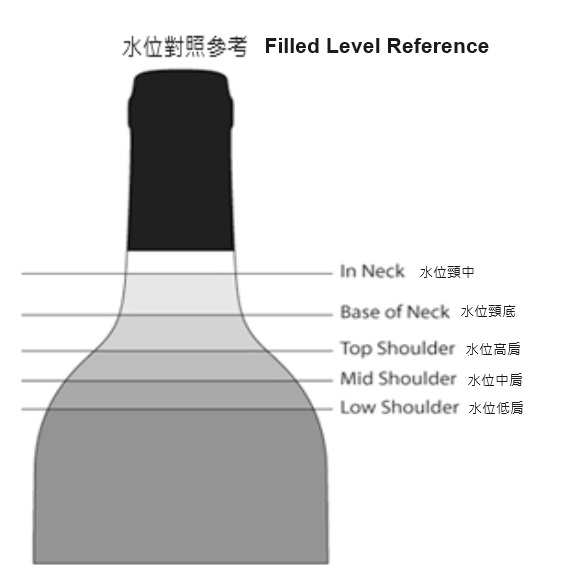
This wine is ideal for gastronomic dinners, special celebrations, or a focused tasting exploring the nuances of top-tier Sauvignon Blanc. Given its age, it's advisable to handle the bottle gently, as older corks and capsules can be fragile. Decanting for a few hours is recommended to allow the wine to open up and soften, revealing its full complexity and textural nuances.
 Last One