FEATURES
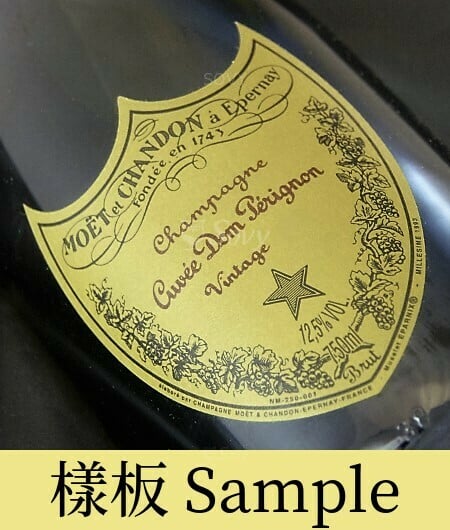
The 1971 Moët & Chandon Dom Pérignon is an exceedingly rare and highly regarded vintage Champagne, considered one of the finest Dom Pérignon releases of the 20th century. 【 Widely regarded as one of the finest Dom Pérignon releases of the 20th century 】. The 1971 harvest in Champagne produced wines of monumental structural symmetry, high acidity, and timeless longevity, with Decanter rating the vintage five out of five.. Over five decades of patient cellar aging have transformed this Chardonnay and Pinot Noir blend into a study of mature tertiary elegance.
Tasting Notes: This mature Champagne opens with complex tertiary aromas of dried apricot, candied citrus, toasted brioche, hazelnut, and honeycomb, with nuanced notes of ginger, roasted coffee bean, and wet chalk. On the palate, an electric line of acidity drives through a rich, vinous mid-palate, leading to a finish with incredible saline persistence, smoky depth, and aristocratic composure.. Some notes also mention baked apple, spice, and a hint of rose petal, with a rich, buttery mouthfeel that avoids heaviness.
Food pairing suggestions: Given its mature and complex profile, this Champagne pairs beautifully with delicate dishes like pan-seared scallops, roasted chicken with truffles, aged Parmesan, or even a rich mushroom risotto. Its tertiary notes would also complement foie gras or a subtle cheese course.
Event suggestions: This is a Champagne for truly momentous occasions, such as significant anniversaries, milestone birthdays, or an exclusive tasting event for serious collectors. It's a wine to be savored and appreciated for its historical significance and evolved character.
Serving Advice for this Aged Champagne: Given its age, this 1971 Dom Pérignon requires careful handling. The cork and capsule may be fragile, so use a proper Durand or an Ah-So opener. Stand the bottle upright for at least 24-48 hours before serving to allow any sediment to settle. Serve it slightly chilled, between 10 and 12 degrees Celsius (50-54°F), to allow its complex tertiary profile to fully express itself. Decanting is generally not recommended for very old Champagnes as it can dissipate the delicate mousse and aromas too quickly, but a slow, gentle pour into appropriate glassware is advised.