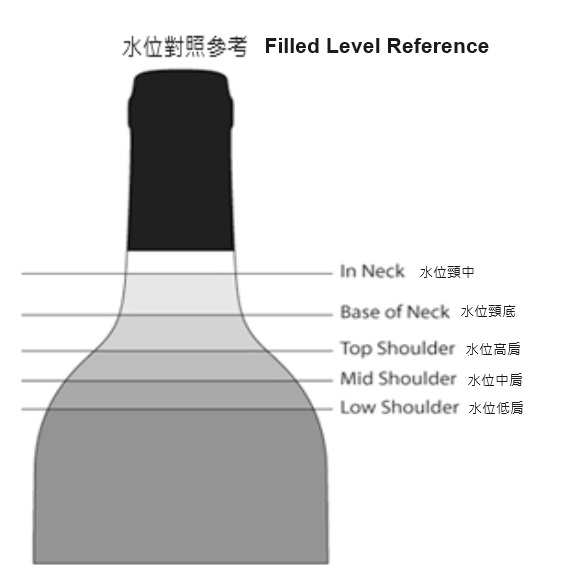
FEATURES
The 1985 Paul Jaboulet Aîné "La Chapelle" Hermitage Rouge is a beautifully aged, quintessential Northern Rhône Syrah, a testament to a classic vintage. This wine, now over four decades old, offers a profound journey into the complexities that only time can bestow upon a fine Hermitage.
Visually, it presents hints of amber to a brick-red center, a clear sign of its distinguished age. The nose is a tapestry of mature aromas: saffron, mushroom, forest floor, pastrami, and other dried meats. Further aeration reveals complex notes of coffee beans, potpourri, mint, cassis, black pepper, grilled meats, and dark soil tones, alongside savory and animalistic nuances of green olives, game meat, and a touch of Brett. On the palate, it's full-bodied with incredible silky tannins, depth, and intensity, showcasing red pepper and paprika. The fruit profile, initially muted, evolves into dried red fruits like cranberry, red plum, and orange peel, then darker fruits such as dried blackberries and black plum, complemented by a dusty, earthy, mushroomy character and a long, spicy finish. Even at this age, the acidity remains elevated and grippy, with chalky tannins persisting. 【 A beautifully aged, quintessential Northern Rhône Syrah, offering immense complexity and decadence. 】
🍴 This magnificent, mature Hermitage pairs wonderfully with rich, savory dishes. Think beef, game, lamb, or poultry. Its earthy and meaty notes would beautifully complement slow-cooked stews or roasted game birds.
🥂 This 1985 "La Chapelle" is a stunning wine, brimming with decadence and complexity, perfect for a milestone celebration or a serious tasting among connoisseurs. While still in great shape, many experts suggest it's drinking at its peak, and it's time to enjoy it. However, some believe it could still age for another decade.
When approaching a wine of this venerable age, a gentle hand is paramount. Expect the cork to be fragile; a Durand opener or an Ah-So might be beneficial. The capsule may also be delicate. Decanting is highly recommended to separate any sediment that has formed over the decades and to allow the wine to breathe and fully express its intricate bouquet. Serve at a slightly cool cellar temperature, ideally between 16-18°C (60-64°F), to preserve its delicate aromatics and structure. Allow it to open slowly in the glass.
 Last One