FEATURES
The 1982 Château Gilette Crème de Tête hails from a property with a rich history, owned by the Medeville family since 1710. This Sauternes is renowned for its 【unique 15-25 year concrete vat aging】 process, eschewing oak barrels to preserve its freshness and vigor. While 1982 was a challenging vintage for Sauternes generally, with heavy October rains impacting quality, Château Gilette's distinctive approach often yields wines that defy vintage expectations.
This sweet wine typically presents a golden yellow color with coppery reflections. The nose can be intense, with aromas of broom, grapefruit, and passion fruit. Some tasters have noted smoke, apricot, and wild honey on the nose, while the palate might reveal notes of nail polish, low acidity, and a lack of complexity in some instances. However, others find dominant notes of apricots, honey, and toffee, with a lovely intensity of botrytized flavors like peach, honey melon, and apricot mixed with brown sugar. Further descriptors include pineapple, butter toffee, spice, caramel, and a range of fruit notes from marmalade and orange to raisin and dried apricot, alongside hints of almond and brown sugar.
🍴 This exquisite sweet wine is a classic pairing for blue cheeses and fruity desserts.
🥂 Given the 1982 vintage's age and the general challenges of the year for Sauternes, this is a wine for contemplation and appreciation of its unique aging journey. While some bottles might be past their prime, top examples from Château Gilette can still offer a delightful experience, showcasing the resilience of this estate's winemaking philosophy.
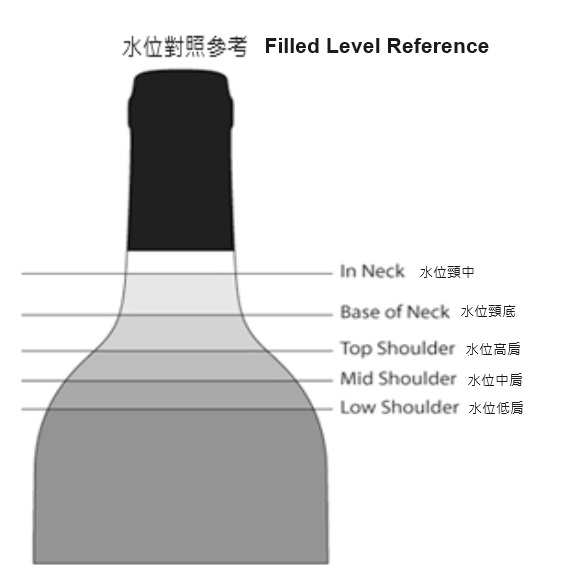
Serving Advice for this Aged Wine: Wines of this venerable age, especially sweet wines, require careful handling. The cork and capsule may be fragile, so use a Durand opener or a two-pronged ah-so cork puller for best results. Decanting is generally recommended for older wines to separate any sediment and allow the wine to breathe, but for a delicate sweet wine like this, a gentle decant just before serving, or even pouring directly from the bottle with care, might be preferred to avoid over-aeration. Serve slightly chilled, around 10-12°C (50-54°F), to best appreciate its complex aromas and flavors.
 Last One