FEATURES
The 1982 Chateau de la Gardine Chateauneuf du Pape Cuvee Tradition comes from a vintage in Châteauneuf-du-Pape characterized by a warm, ripe growing season, yielding wines that were generous and approachable early on, yet capable of graceful aging. While the Southern Rhône vintage was somewhat mixed overall, with some wines struggling with high yields and low acidity, the best examples from the South are still drinking well, though their window is closing. This 1982, now over four decades old, offers a deeply gratifying glimpse into the matured, old-school style of Southern Rhône winemaking. Expect a brick-red to tawny hue. The nose unfolds with heady aromas of dried cherry, leather, baked herbs, and incense. On the palate, it presents lifted, nuanced fruit like stewed plum and fig, woven together with tobacco, Provençal garrigue, and a hint of gamey complexity. It is medium-bodied with refined tannins and a long, savory finish. Earlier reviews from 1998 noted a murky brown color, burnt, peppery edge, and some astringency, suggesting it should be drunk soon, highlighting the variability of the vintage and the importance of provenance.
Food pairing suggestions: This mature Châteauneuf-du-Pape is an excellent match for lamb, roasted meats, game, hearty stews, and strong, aged cheeses. Its evolved flavors complement rich and savory dishes.
Event suggestions: A mature, old-world red wine like this is best suited for a special occasion where its age and complexity can be fully appreciated. It's ideal for a celebratory dinner with rich, savory dishes, or for a contemplative tasting among connoisseurs. Finding a well-preserved bottle from this vintage is a true treat. 【A glimpse into the matured, old-school style of Southern Rhône winemaking from a warm, ripe vintage】
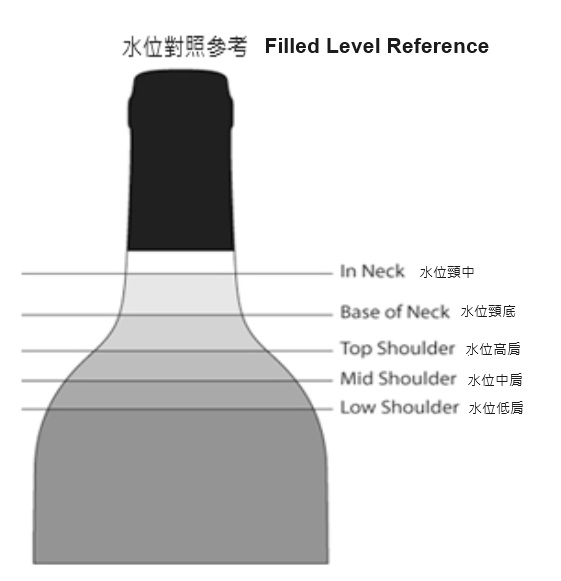
Serving advice for this aged wine: This over 40-year-old bottle requires careful handling. Older corks can be very fragile, so a Durand or Ah-So opener is highly recommended. Decanting is crucial to separate any sediment that has formed over decades and to allow the wine to breathe, but be gentle and monitor its evolution closely, as very old wines can fade quickly once exposed to air. Serve at cellar temperature, around 16-18°C (60-64°F), to allow its complex tertiary aromas to shine.