FEATURES
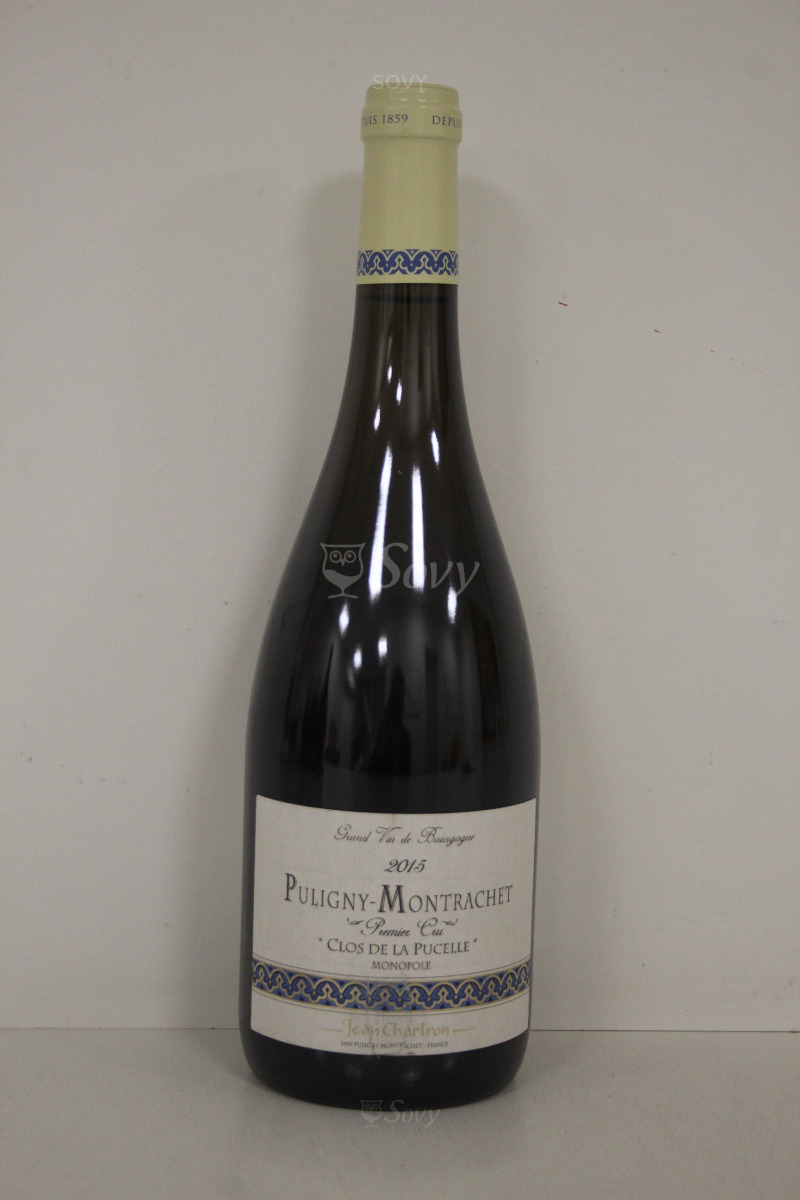
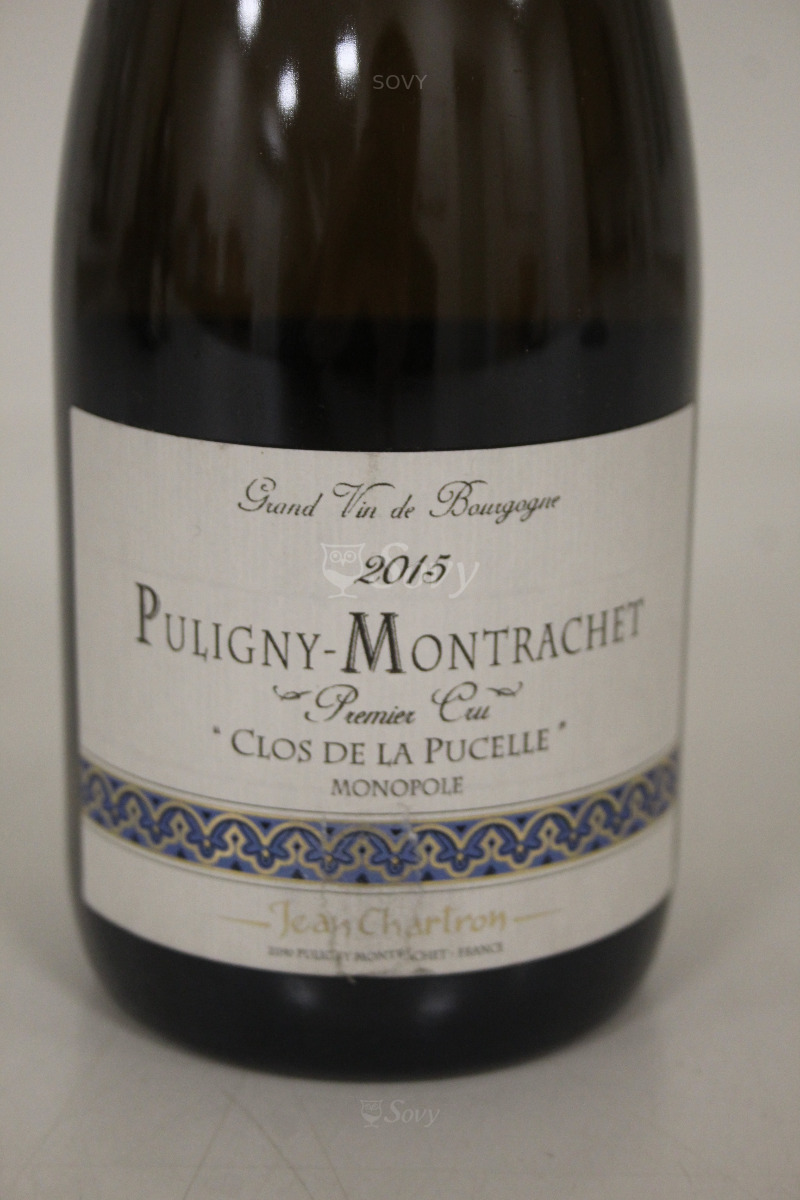
Domaine Jean Chartron is a highly esteemed 布根地 estate, celebrated for its exceptional white wines, with some critics even suggesting its quality rivals that of renowned producers like Leflaive. The Puligny-Montrachet 1er Cru Clos de la Pucelle is a particularly special wine, being a monopole vineyard exclusively owned by the domaine, situated within the esteemed Les Pucelles Premier Cru site. The vines in Clos de la Pucelle were planted in 1950, contributing significantly to its depth and complexity. The 2015 vintage earned a "Coup de Cœur" and two stars from the prestigious Guide Hachette, alongside high scores from critics such as William Kelley (93/100) and Neal Martin (90/100). Notably, Jean Chartron's wines have been served at French presidential banquets over 40 times.
The 2015 Clos de la Pucelle presents a full-bodied Chardonnay profile, featuring ripe pear, lemon blossom, and crème pâtissière, all underpinned by a distinct chalky mineral backbone. The nose initially offers heady scents of flowering linden and acacia, evolving into lemon blossom, apple, and vanillin oak. On the palate, it delivers generous mid-palate richness, beautifully balanced by crisp acidity and a fine salinity. Critics also highlight aromas of citrus zest, crisp peach, iodine, and pastry cream, with a glossy, textural mouthfeel and considerable depth. The finish is long and measured, characterized by a textured, almost chalky sensation, with lingering notes of lemon zest, vanilla, and wet stone.
🍴 This Premier Cru white 布根地 pairs exquisitely with roasted lobster with drawn butter, seared scallops with cauliflower purée, and aged Comté cheese. It also perfectly complements roast chicken with tarragon jus.
🥂 【A prestigious monopole Premier Cru, ideal for significant celebrations, gourmet dining, or as a centerpiece for a sophisticated wine tasting】.
Serving Advice: This Premier Cru is best served at 12–14°C (54–57°F) in a large white 布根地 glass to allow its aromatics to unfold fully. Decanting for 20–30 minutes can help open the wine's layered complexity.