Welcome!Thank you for visiting! We look forward to seeing you.Welcome!Email is used by othersPlease enter user emailpassword reset link is sent to your email , the link will be expired in 30 mins
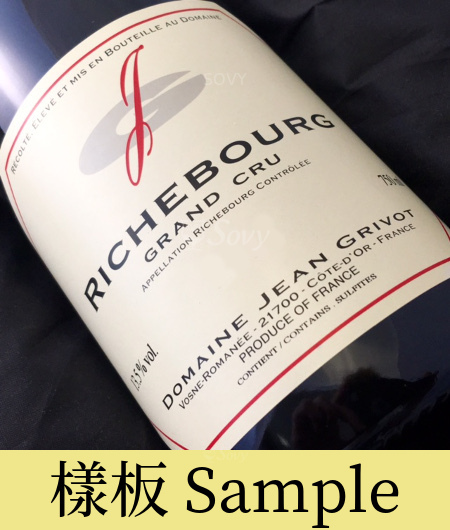
The 1986 Domaine Jean Grivot Richebourg Grand Cru is a red Pinot Noir from the esteemed Richebourg Grand Cru appellation in Burgundy, France. Richebourg is considered one of the truly great Grand Crus of Burgundy, known for being exotically spiced and gorgeously perfumed. While specific community tasting notes for the 1986 vintage are not readily available, Domaine Jean Grivot's Richebourg wines generally exhibit aromas and flavors of red berries, herbs, and purple flowers. The palate is typically rich with ripe fruit, medium-bodied, with bright acidity and fine tannins. Aging in new Burgundian pièce (40-70% new oak for Grand Crus) contributes notes of vanilla, toast, and baking spices. The wine is known for its complexity, persistence, and age-worthiness, often needing years to develop fully. 【One of the truly great Grand Crus of Burgundy】.
Domaine Jean Grivot Richebourg Grand Cru pairs exquisitely with truffle-infused dishes or slow-roasted lamb, enhancing its luxurious depth, velvety tannins, and complex layers of dark fruit and spice. General food pairings for Pinot Noir include duck, goose, and game birds.
This 1986 Richebourg Grand Cru is a magnificent choice for a significant anniversary, a high-end wine tasting, or a celebratory dinner where a truly profound and aged Burgundy is desired. It's a wine that speaks of history and terroir. For a wine of this age, expect a delicate and evolved profile. The cork may be fragile, so use a Durand or an Ah-So opener. Serving advice: Decanting is recommended for older vintages to separate any sediment and allow the wine to breathe, but be mindful of over-aeration which can diminish delicate aromas. Serve at cellar temperature, around 16-18°C (61-64°F), to best appreciate its nuanced bouquet and complex palate. Ensure the bottle has been standing upright for several days before opening to allow sediment to settle.
 Last One