FEATURES
The 1971 vintage for Barolo in Piedmont was truly exceptional, despite a challenging start with a freezing winter and spring hail that significantly reduced yields. However, a hot, dry summer and an idyllic October ensured perfect phenolic ripeness, resulting in a small but highly concentrated crop. This year is widely regarded as a superb Barolo vintage, often ranked among the best of the 1970s, alongside 1978, and even compared to legendary years like 1964 and 1989. Wines from this vintage are noted for their elegance and remarkable aging potential.
Expect a classic Barolo profile, with a relatively light ruby red hue that gracefully evolves into a brick red/orange rim with age. The aroma is intensely complex, often described with notes of "tar and roses," complemented by cherry, licorice, leather, tobacco, and truffle. Specific tasting notes from the era highlight red and black fruits, minerals, tobacco, spice, and black tea, with some bottles showing a sweet, expansive, and decadently aromatic character. 【 A superb, elegant, and age-worthy Barolo vintage 】
🍴 Food Pairing: This mature Barolo, with its firm structure and evolved aromatics, shines with rich, umami-driven Piedmontese cuisine. Think brasato al Barolo (braised beef in Barolo), tajarin al tartufo (egg pasta with white Alba truffle), porcini risotto with aged Parmigiano, or roasted game birds and lamb. The wine's natural acidity beautifully cuts through rich fats, while its tannins complement proteins. Avoid delicate dishes that would be overwhelmed.
🥂 Event Suggestion: A 1971 Barolo is a profound choice for a milestone anniversary, a significant birthday celebration, or a contemplative tasting among serious wine collectors. It's a wine that speaks of history and endurance.
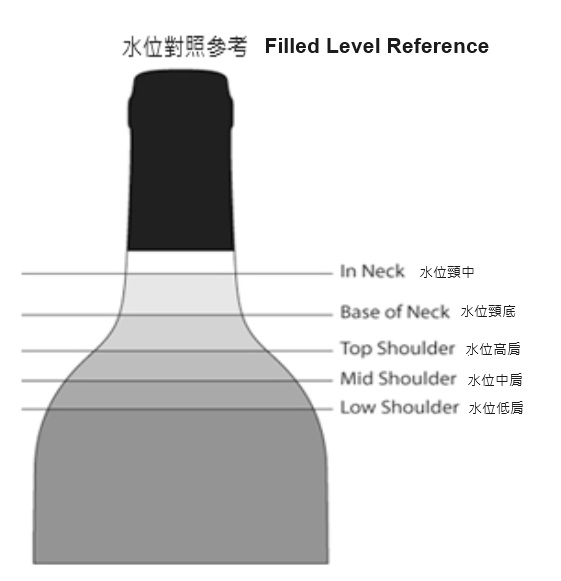
Serving Advice for this venerable wine: Given its age, this Barolo is a testament to time, yet old corks and capsules can be fragile. Handle with utmost care. While many 1971 Barolos are past their prime, the best examples can still be magnificent. Decanting is highly recommended to allow the wine to breathe and to separate any sediment. Gently open the bottle a few hours before serving, and consider decanting slowly into a clean vessel, or even directly into glasses, to minimize aeration and check the wine's condition.