FEATURES
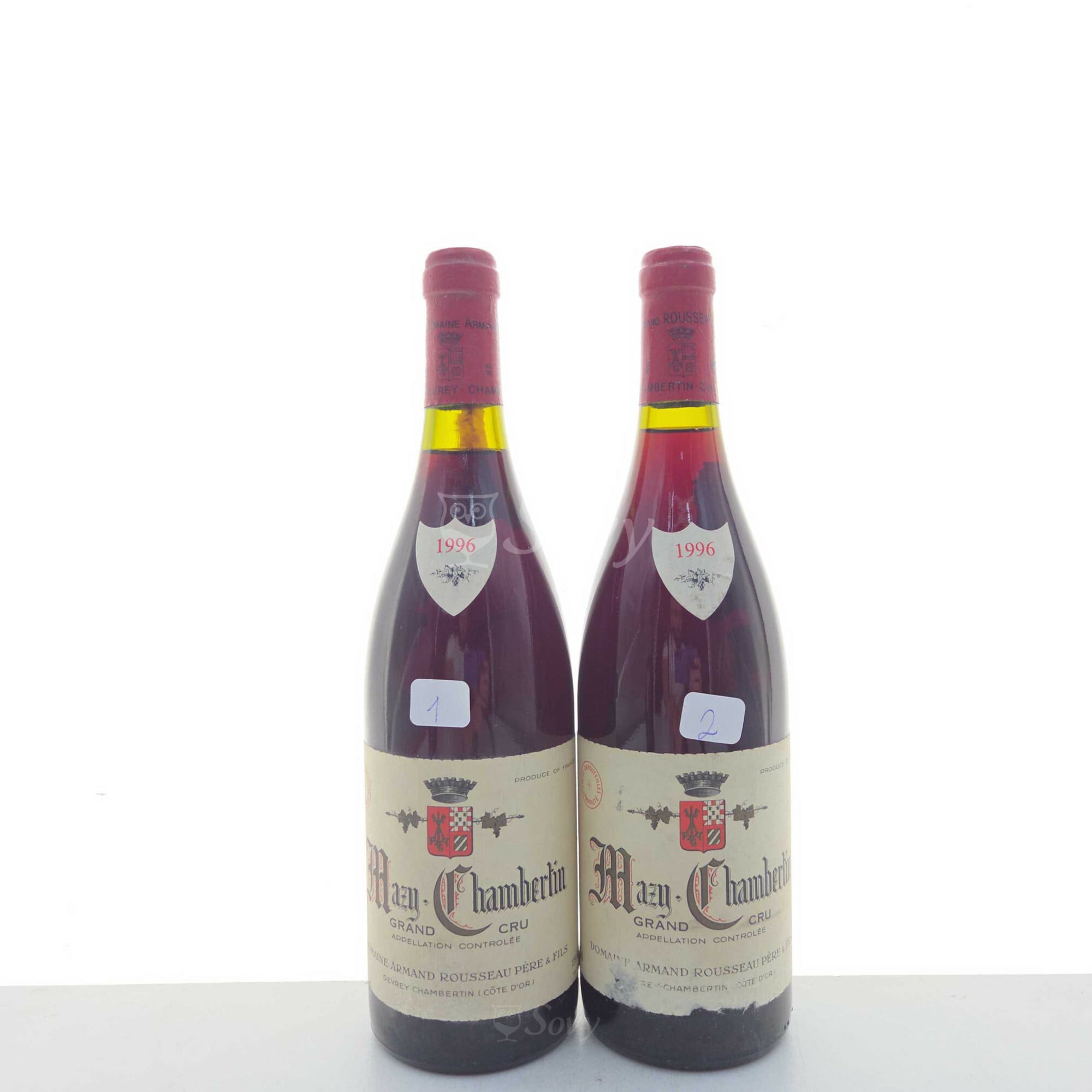
The 1996 Burgundy vintage, from which Armand Rousseau's Mazy Chambertin Grand Cru hails, was an excellent year. It featured a warm spring, a cool summer with beneficial winds, and a September warm-up that aided ripening while cool nights preserved acidity. The harvest was generous, concentrated, and healthy, yielding elegant and well-balanced wines with fine sugars and acidity, many built for aging. Côte de Nuits wines, like this Mazy-Chambertin, are often considered to have a slight edge in this vintage. Widely regarded as comparable to the fine 1990 vintage, many of these wines are still drinking beautifully and have continued to improve. The 1996 vintage has proven to be a "slow-burner," with wines taking decades to fully reveal their charm. Red wines from this year have generally remained 'dumb,' retaining both their fruit and acidity, with top wines still evolving in their shells.
Expect an intense ruby red color with lush red fruit aromas. The palate typically shows good tannin structure and concentrated Pinot Noir flavor, often with a classic '96 expression of intense fruit buffered by ample acidity. Mature bottles may present a fine width of aroma, perfumed and supported by a lovely complexity of age.
🍴 Food Pairing: This mature Grand Cru pairs wonderfully with a range of rich and savory dishes. Excellent choices include red and white meats, roasts, big and small game, stews, lamb, pork, beef, and cured or blue cheeses. Other suitable pairings include liver, kidney, game birds, brochettes, wok-fried vegetables or poultry, pasta and risottos, Camembert, Brie, and rabbit.
🥂 Fit for Event: This is a superb wine for a connoisseur's dinner, a significant anniversary, or any special gathering where a well-aged, complex red Burgundy is desired. 【卓越陳年潛力,布根地1996年份經典】。
Serving Advice: As a mature 1996 Grand Cru, this wine is delicate. Expect some evolution in color and bouquet upon opening, which should improve with air. Decanting is often beneficial for older red Burgundies to allow them to breathe and to separate any sediment, but do so carefully and just before serving to preserve delicate aromas. Handle the bottle gently to avoid disturbing sediment. Ensure the cork is in good condition; an Ah-So opener or Durand might be useful. Serve at cellar temperature, around 16-18°C (60-64°F).