FEATURES
The 1983 Champagne vintage, though often overshadowed by its celebrated neighbors, was remarkably good, yielding a large and healthy crop after a challenging start to the growing season. Taittinger's Comtes de Champagne Rosé from this year is a testament to the vintage's potential, being one of the noteworthy prestige cuvées released. This exceptional rosé is crafted exclusively from 100% Grand Cru grapes—70% Pinot Noir from Montagne de Reims and 30% Chardonnay from Côte des Blancs—and is only produced in outstanding years. It undergoes nearly a decade of aging in 13th-century chalk cellars, contributing to its profound complexity. While many 1983 Champagnes may be past their prime, impeccably stored prestige cuvées can still offer genuine pleasure, showcasing an evolved, old-wine style. 【 100% Grand Cru grapes, produced only in exceptional years, aged for nearly a decade in 13th-century chalk cellars 】
Tasting notes for the Comtes de Champagne Rosé 1983 reveal a wine with evolved character, featuring aromas of candied red fruits, sweet spices, undergrowth, and fine leather. Expect notes of honey, dried fruit, brioche, and toasted nuts, indicative of its age. The palate is ample and silky, leading to a long, subtly toasted finish. Younger expressions typically offer vibrant wild strawberries, redcurrants, raspberries, blood orange zest, and pomegranate, evolving into rose petals, hibiscus, cinnamon, and pink pepper, with a creamy texture and refreshing acidity.
Food pairing suggestions include cherry-glazed duck breast, seared scallops, or creamy goat cheese with a red fruit compote. It also complements light cured meats, veal, pork dishes, ribs, fruit salad, and berry desserts.
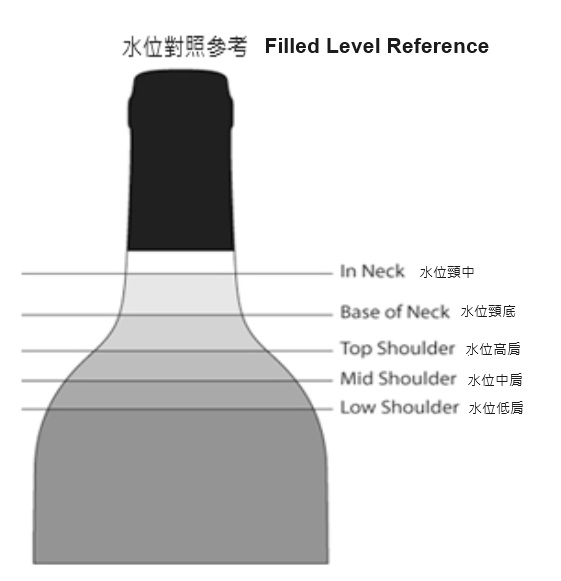
This wine is perfectly suited for a significant anniversary, a milestone celebration, or a sophisticated dinner where a rare, aged rosé Champagne can be the star. Given its age, handle this bottle with extreme care. The cork may be fragile, so a specialized opener like a Durand or an Ah-So is recommended. Decanting is generally not advised for old Champagne, as it can quickly dissipate delicate aromas and effervescence. Serve gently chilled at around 10-12°C (50-54°F) in tulip-shaped flutes or white wine glasses to allow its complex aromatics to unfold slowly.
 Last One