FEATURES
The 1989 vintage for red Burgundy, particularly in the Côte de Beaune, was considered excellent, producing fruity and elegant wines. It was a hot year with a mild winter, followed by a cold April and May, then a hot and dry July. Timely rain in August prevented shriveling, leading to an early harvest of ripe, rich, and generous grapes. These reds often exhibited velvety tannins, a fine colour, and a softer, more elegant profile compared to the 1988s. The vintage was marked by an abundant harvest and ideal weather conditions, resulting in wines that are often racy, rich, and powerful, with tannins that are more balanced and flattering than those of 1988.
This Savigny-lès-Beaune Rouge typically presents a medium colour. Its bouquet is elegant and fairly strong, dominated by notes of Morello cherry, blackcurrant, and raspberry, which evolve into strawberry and forest floor aromas after several years. On the palate, it is supple, with discreet tannins and low acidity, offering a light and delicate structure often described as feminine. Premier Crus from this appellation tend to have more structure, strength, and character. For a 1989, expect complex aromas of ripe red fruit.
【Excellent vintage for red Burgundy, especially Savigny-lès-Beaune, offering elegance and richness】
🍴 Food pairing suggestions include traditional French dishes such as fricassées de rognons, partridge à la bourguignonne, or roasted squab. It also pairs well with white meats, poultry, red meats, and main courses. For a more contemporary approach, consider fatty fish, mild cheeses, shellfish, or soft cheeses.
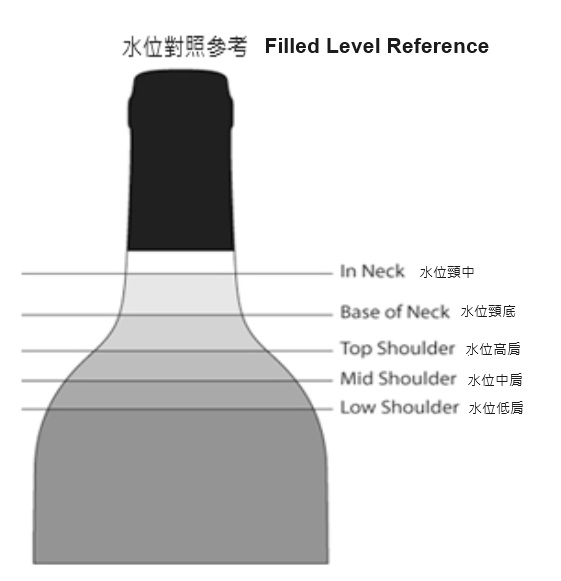
🥂 This mature 1989 Burgundy is a wonderful choice for a special occasion or a contemplative evening, particularly for connoisseurs who appreciate the delicate evolution of aged wines. Given its age, it's crucial to handle this wine with care. Old corks can be fragile, so using a Durand or an Ah-So opener is highly recommended. Decant carefully to separate any sediment, allowing it to breathe for 30-60 minutes before serving at a temperature between 14-15°C (57-59°F). This gentle approach will help preserve its delicate structure and allow its evolved aromas to fully express themselves.