FEATURES
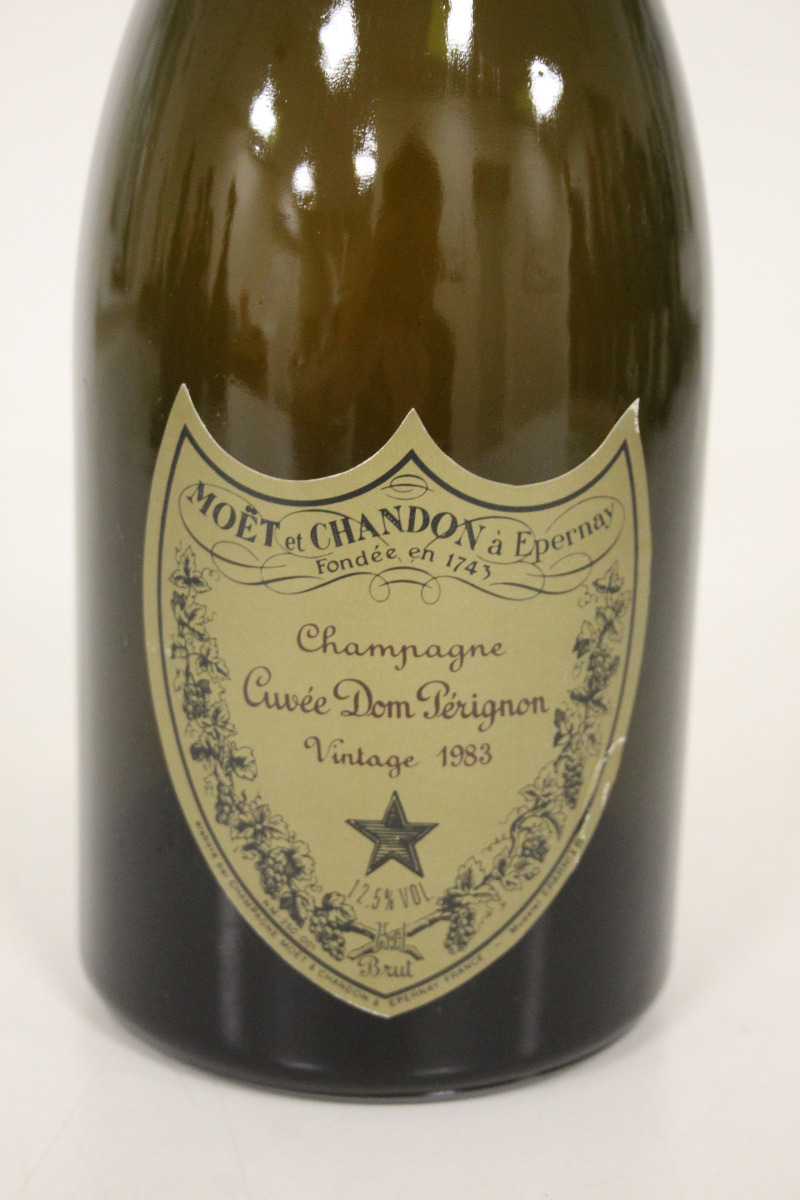
The 1983 vintage for Dom Pérignon was marked by a cold winter and cool spring, followed by excellent flowering conditions and a warm, sunny summer. Crucially, autumn rains ensured the grapes didn't dry out, contributing to what is now considered one of the decade's most mature vintages, truly at its best today.
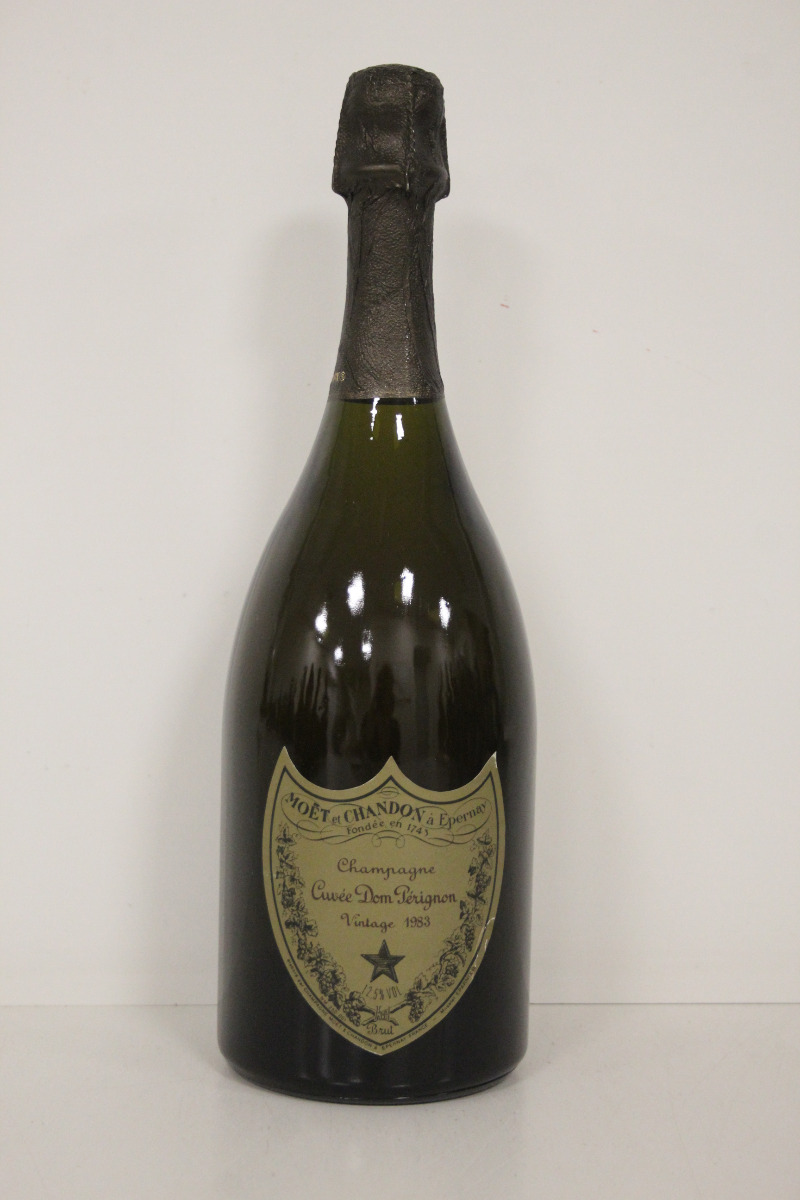
This aged Champagne presents a golden colour with an amazing glint of green. The nose is complex and elegant, revealing initial toasty notes like toasted hazelnuts, brioche, and honey. On the palate, it's extraordinary and clean, with fresh apple and white flowers harmoniously enhanced by toasted hazelnut and a subtle hint of undergrowth. It showcases a racy maturity and a taut, persistent finish, clearly built for prolonged aging. Some connoisseurs note a fully mature, tertiary profile with brioche, dried apricot, baked apple, honeyed toast, and hazelnut, evolving towards hints of dried fig and a faint nutty, oxidative edge. The palate may also exhibit softened acidity, raisin tones, dried orange peel, toasted nuts, honey, and caramel.
【 Exemplar of aged Dom Pérignon from a strong vintage 】
Food pairing suggestions: This venerable Champagne pairs beautifully with delicate shellfish, crab, and lobster. Its evolved complexity also makes it an excellent match for richer, more nuanced dishes such as roasted poultry with truffles, aged hard cheeses, or even delicate game birds.
Event suggestions: This is a wine for truly significant celebrations, milestone anniversaries, or a contemplative tasting experience for the most discerning connoisseurs. It serves as a magnificent testament to the aging potential of great Champagne, perfect for an occasion appreciating historical vintages.
Serving advice: As a wine of over four decades, this Dom Pérignon 1983 is fully mature and can be delicate. Old corks and capsules require extreme care during opening. Decanting is generally not recommended for old Champagne, as it can quickly dissipate the remaining effervescence and fragile aromatic compounds. Instead, serve directly into tulip-shaped flutes or white wine glasses to allow its complex tertiary aromas to evolve gracefully. Ensure it is well-chilled to approximately 8-10°C (46-50°F), but avoid over-chilling, which can mask its intricate nuances. Open with a proper Champagne opener, being prepared for a potentially fragile cork.