FEATURES
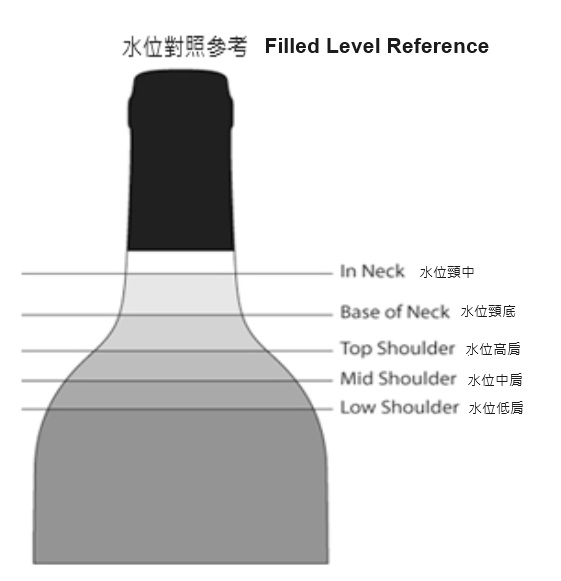
The 1982 Veuve Clicquot Ponsardin Carte Or is a vintage Champagne from a year that was generally considered very good for Champagne, producing wines with richness and good aging potential. While specific detailed reports for the 1982 Carte Or are less common now, the vintage was known for its ripe fruit and balanced acidity, allowing many wines to age gracefully. This particular bottle, now over four decades old, represents a rare opportunity to experience a mature vintage Champagne, showcasing the evolution of its flavors and aromas over time.
【A rare, mature vintage Champagne from a very good year】
Tasting Notes: At this age, a 1982 Veuve Clicquot Carte Or would likely display a deep golden hue. The nose would be complex, moving beyond primary fruit to reveal tertiary aromas of toasted brioche, roasted nuts, dried fruits, honey, and perhaps a hint of mushroom or forest floor, indicative of its extensive bottle age. The palate would be rich and full-bodied, with a creamy texture and a long, lingering finish. While the initial effervescence might have softened, a delicate mousse would still be present, offering a refined mouthfeel. Expect a harmonious balance of evolved fruit, savory notes, and a refreshing acidity that has mellowed beautifully.
Fit to Event: This exquisite, aged Champagne is ideal for very special, intimate celebrations or as a contemplative experience for serious wine connoisseurs. It's perfect for significant anniversaries, milestone birthdays, or a luxurious tasting event focused on aged Champagnes. Given its age, it’s a wine to be savored and appreciated for its historical significance and evolved character.
Serving Advice: Handling and serving old wines requires care. The cork may be fragile, so use a Durand opener or a two-pronged ah-so opener to minimize breakage. Decanting is generally not recommended for old Champagne as it can dissipate the delicate remaining effervescence and complex aromas. Serve slightly cooler than red wine, around 10-12°C (50-54°F), in tulip-shaped Champagne flutes to best appreciate its bouquet. Allow the bottle to stand upright for a day or two before opening to allow any sediment to settle. Open gently, twisting the bottle, not the cork, to release the pressure slowly. Be prepared for a potentially fragile capsule and cork.
Food Pairing: For such a mature and complex Champagne, food pairings should be equally refined. Consider rich, savory dishes that complement its evolved flavors. Think pan-seared foie gras, truffle-infused risottos, aged Comté cheese, or delicate poultry dishes with cream sauces. It can also be a stunning accompaniment to roasted scallops or lobster. Avoid overly acidic or sweet foods that might clash with its delicate balance.