FEATURES
🏰 The 1976 Dom Pérignon vintage was the result of an unusual growing season, marked by early flowering and an intense, dry summer that shortened the traditional 100-day harvest period to just 84 days. This led to Chardonnay and Pinot Noir grapes of exceptional maturity and outstanding quality in Epernay and Reims. Critics have lauded the 1976 Dom Pérignon for its "unreal freshness and vibrancy, with soaring aromatics and notes of white peaches and jasmine" (Robert Parker, 96 points). Antonio Galloni described the original release as possessing a "very distinctive set of baritone inflections that give the wine its powerful, deep personality," with "textural intensity and raciness." The Oenothèque (P2) release of 1976 is noted for its "sensual floweriness and a lush palate of mirabelle plums and raisins." The wine often presents a medium gold or amber colour, with aromas of burnt orange peel, honeysuckle, maple, caramel, and pineapple, leading to a palate of caramel, baked apple pie, and faint nutmeg. 【Exceptional Maturity and Outstanding Quality】.
🥂 This venerable Champagne is ideal for milestone anniversaries, significant birthdays, or any event demanding a truly rare and profound sparkling wine. It's a testament to enduring quality and a journey through time.
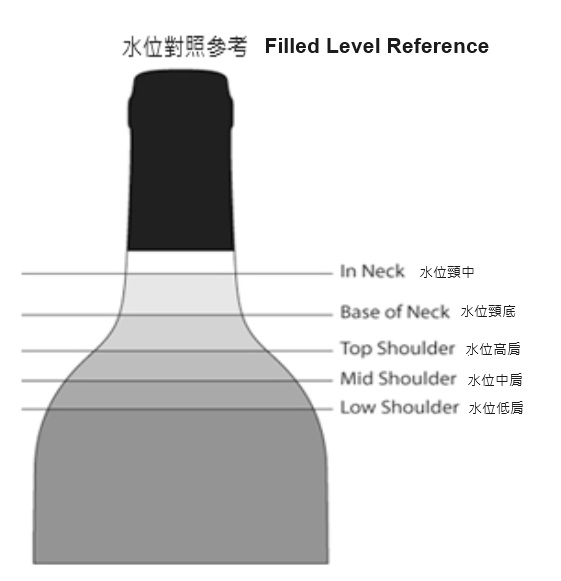
Serving Advice for a 1976 Vintage: Given its age, this bottle is a delicate treasure. Expect the cork and capsule to be fragile. It's advisable to use an Ah-So opener or a Durand corkscrew to minimise the risk of cork breakage. Stand the bottle upright for several days before serving to allow any sediment to settle. Decanting is generally not recommended for old Champagne, as it can dissipate the delicate aromas and remaining effervescence too quickly. Serve slightly cooler than red wine, around 10-12°C (50-54°F), to allow its complex tertiary notes to shine without being overly chilled. Handle with extreme care.
🍴 The 1976 Dom Pérignon pairs beautifully with rich, fatty, or heavily seasoned crispy foods. Think fresh oysters with their briny, mineral quality, or richer preparations of lobster like Lobster Thermidor, where the Champagne's acidity can cut through the cream and butter. It also has a particular affinity for umami-rich dishes such as truffle risotto, pasta with shaved truffle, or wild mushroom tarts. For desserts, opt for those with acidity at their core, like a lemon tart, or almond-based pastries that complement its toasty, nutty character.
 Last One