FEATURES
🏰 The 1995 Bordeaux vintage is widely regarded as excellent for both Left and Right Banks, characterized by a record-breaking hot and dry summer. Despite some September rains, the harvest yielded a large and healthy crop, producing rich, structured wines with intensely concentrated fruit and high tannins. Saint-Julien, where Gruaud Larose is located, produced excellent wines, showcasing its unique gravel-rich terroir with more clay than other appellations. This Sarget de Gruaud Larose 1995 is a fine example from this strong vintage. 【A classic, well-structured second wine from an excellent Bordeaux vintage, showcasing Saint-Julien's unique terroir】
This wine offers aromas of soil, blackcurrant cordial, and rounded notes with light hay and barnyard. The palate is richer, fuller, fresher, and juicier, with blackcurrant and dark cherries, balanced by acidity and tartness. The finish presents light tobacco leaves, clove, raspberry jam, and blackcurrants, clean with light acidity and tannins. The main wine, Château Gruaud Larose 1995, was described as having sweeter fruit, lower acidity, and a deep ruby/purple color, with roasted herb, charcoal, black currant, mineral, and new oak-scented nose.
🍴 This mature red Bordeaux would pair wonderfully with roasted lamb, beef tenderloin, game birds, and a selection of mature, hard cheeses. Its structured profile can also complement rich stews.
🥂 A classic and mature Bordeaux from an excellent vintage, this Sarget de Gruaud Larose 1995 is ideal for a dinner party or a gathering of wine enthusiasts who appreciate the evolution of a well-aged second wine. Some notes suggest it's showing well at 30 years of age, with earthy and mineral-driven characteristics.
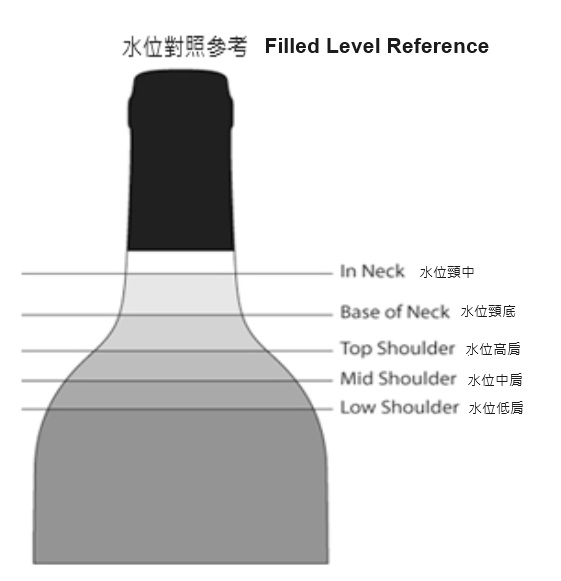
Serving Advice: Handle with care, keeping the bottle upright for a few days before serving to allow any sediment to settle. Use a reliable corkscrew, such as a Durand or an Ah-So, for potentially fragile corks. Decanting is generally recommended for mature red Bordeaux to remove sediment and allow aeration; a decant of 1-2 hours might be appropriate, but monitor the wine's evolution closely.