FEATURES
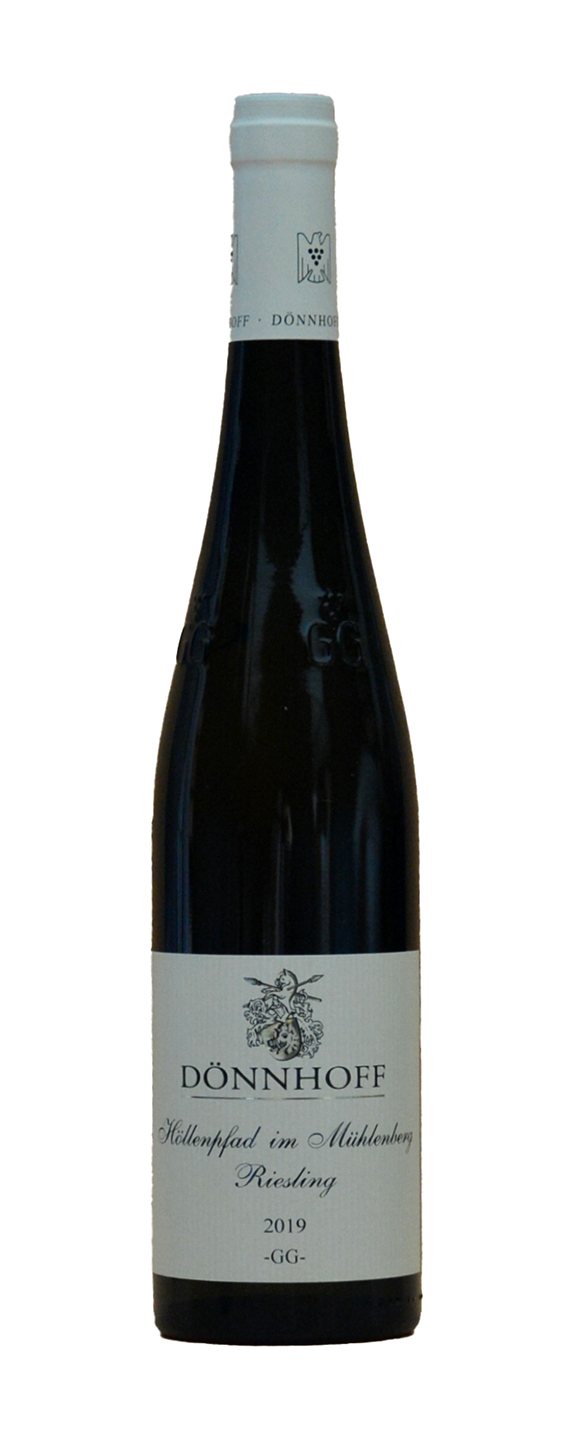
🏰 The 2019 vintage in Nahe, Germany, was a cooler year, resulting in Rieslings with precise acidity and a delicate structure. These wines are known for their freshness, crisp fruit flavors, and a mineral-driven finish, making them excellent for both immediate enjoyment and long-term aging. Winemakers reported tremendous potential for young 2019 Mosel wines, with a highly aromatic interplay between fruit and acidity. The Nahe region, a hidden gem, is celebrated for its exceptional Rieslings that express unique minerality and complexity, balancing bright acidity, floral aromas, and stone fruit flavors like peach and apricot. Cornelius Dönnhoff of the Dönnhoff estate noted that 2019 is a classic German vintage with an acidity structure like 2001, but with much more ripeness. 【 Dönnhoff produced two 100-point wines in this vintage, a significant achievement given the quantities produced 】. The wines are generally delicate in aroma, bright and mineral in acidity, yet silky in texture, offering both deliciousness and great complexity.
🍴 This vibrant Riesling Grosses Gewächs from Dönnhoff, with its crisp acidity and mineral notes, is incredibly versatile. It shines with delicate seafood such as pan-seared scallops, grilled white fish, or sushi and sashimi. For something richer, consider roasted chicken with herbs or a creamy goat cheese salad. Its acidity also cuts through the richness of Asian cuisine, particularly Thai dishes with a balance of sweet, sour, and spicy elements.
🥂 This wine is ideal for a summer garden party, a sophisticated aperitif, or a celebratory meal where a refreshing yet complex white wine is desired. Its aging potential also makes it a thoughtful gift for a wine enthusiast or a valuable addition to a cellar for future enjoyment.