FEATURES
🏰 The 1985 vintage for Champagne was truly brilliant, standing out as one of the decade's best. Despite severe winter frosts, exceptionally fine weather in September and October ensured optimal ripening, leading to a harvest of remarkable quality and concentration. Louis Roederer's Cristal from this year embodies a symphony of purity and elegance, known for its vibrant acidity, refined minerality, and a silky texture. Expect delicate fruity aromas complemented by a powerful mineral quality, with evolving notes of white fruit and citrus. This is an age-worthy Champagne that, even after decades, retains its freshness while developing deep, nutty complexities. 【 A legendary Champagne, created for Tsar Alexander II, known for its exceptional ageability and a symphony of purity and elegance. 】
🍴 This aged Cristal pairs exquisitely with delicate, luxurious dishes. Think fresh caviar, briny oysters, pan-seared scallops, or a perfectly roasted turbot. For a more classic approach, a simple roasted chicken or fine seafood platters would be ideal.
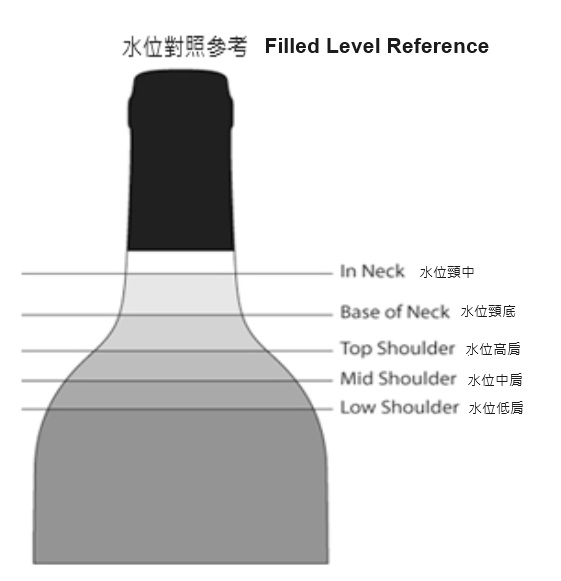
🥂 This 1985 Cristal is perfect for a truly special occasion, such as a milestone anniversary, a significant celebration, or any moment where the wine itself is the star of the show. Given its age, handle the bottle with extreme care, as old corks and capsules can be fragile. A two-pronged Ah-So opener is recommended. Avoid vigorous decanting, as it can dissipate the delicate effervescence and nuanced aromas. Instead, serve directly into appropriate flutes or tulip glasses at a cool cellar temperature (around 10-12°C or 50-54°F) to best appreciate its evolved character.
BACKGROUND
Louis Roederer is a Champagne house in Reims, best known for its flagship wine, Cristal. The house, established in the late 18th Century, is still family-owned, and produces a house style with equal amounts of Chardonnay and Pinot Noir, with a small amount of Pinot Meunier.oday, the Roederer vineyards encompass around 240 hectares (600 acres) of land in the Montagne de Reims, Vallée de la Marne and the Côte des Blancs. By 2012, around 25 percent of the vineyards were managed biodynamically.
 Last One