Welcome!Thank you for visiting! We look forward to seeing you.Welcome!Email is used by othersPlease enter user emailpassword reset link is sent to your email , the link will be expired in 30 mins
🏰The 1970 Gaja Barbaresco is a truly remarkable and rare find, representing a mature gem from a vintage that was considered very good, though sometimes overshadowed by the legendary 1971. This 100% Nebbiolo wine, from one of Italy's most iconic producers, has gracefully evolved over more than five decades, showcasing the finesse and charm of aged Barbaresco. Expect a still somewhat youthful red-purple color with minimal bricking, offering a mature bouquet of 【red cherries, leather, cigar box, and earthy undertones】. The palate delivers a harmonious blend of mature red fruit and subtle tannins, providing a smooth, balanced, and elegant experience with a splendid, persistent finish. It has lost some power but retained its grace and texture, offering an exemplary experience.
🍴 This venerable Barbaresco is best paired with classic, rich dishes that complement its mature profile. Think truffle-infused pasta, slow-braised beef, roasted game, or aged Parmigiano-Reggiano. Its earthy and savory notes would also beautifully accompany mushroom-based dishes.
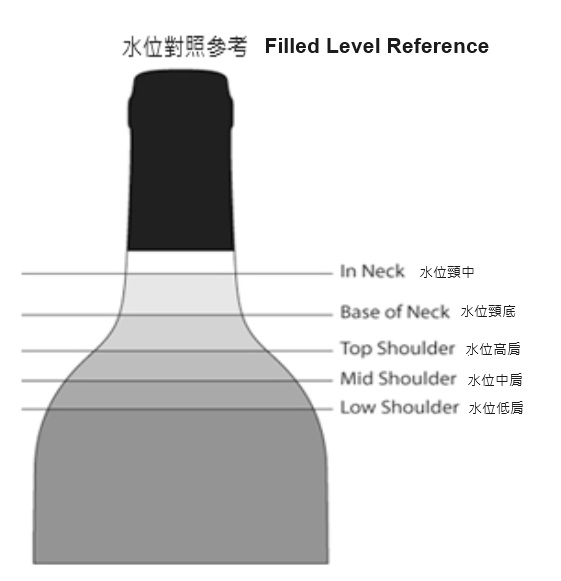
🥂 This is a wine for a truly special occasion, a milestone anniversary, or a profound tasting experience for serious collectors. Given its age, expect potential variations in bottle condition due to cork and storage. It's a gamble, but a rewarding one when a well-preserved bottle is found.
Serving an old wine like the 1970 Gaja Barbaresco requires care. Stand the bottle upright for several days to allow any sediment to settle. Use a Durand or an Ah-So opener for fragile corks. Decant gently just before serving to separate the wine from sediment, but be mindful that very old wines can fade quickly with too much air. Serve at a cellar temperature of 15-18°C (59-64°F) in large, elegant stemware to appreciate its complex aromas.
 Last One