FEATURES
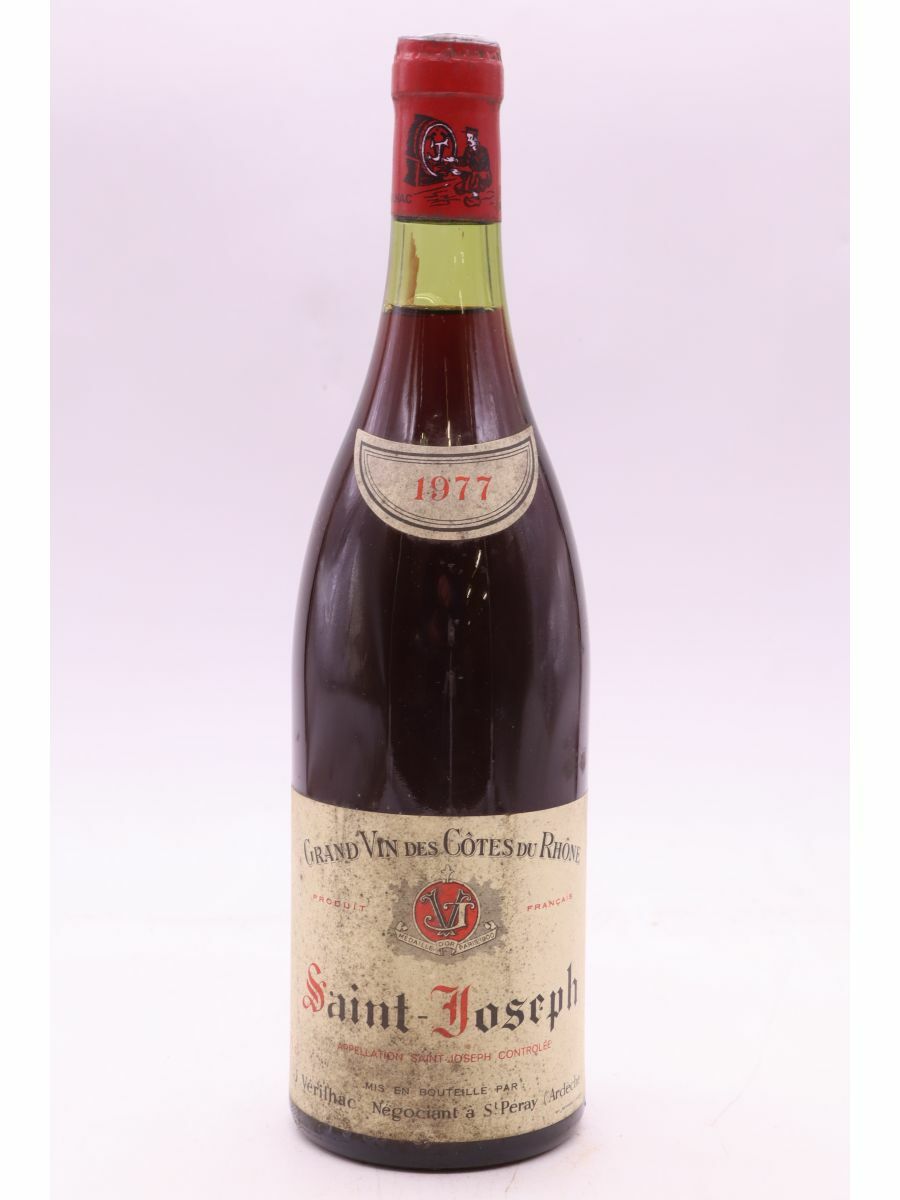
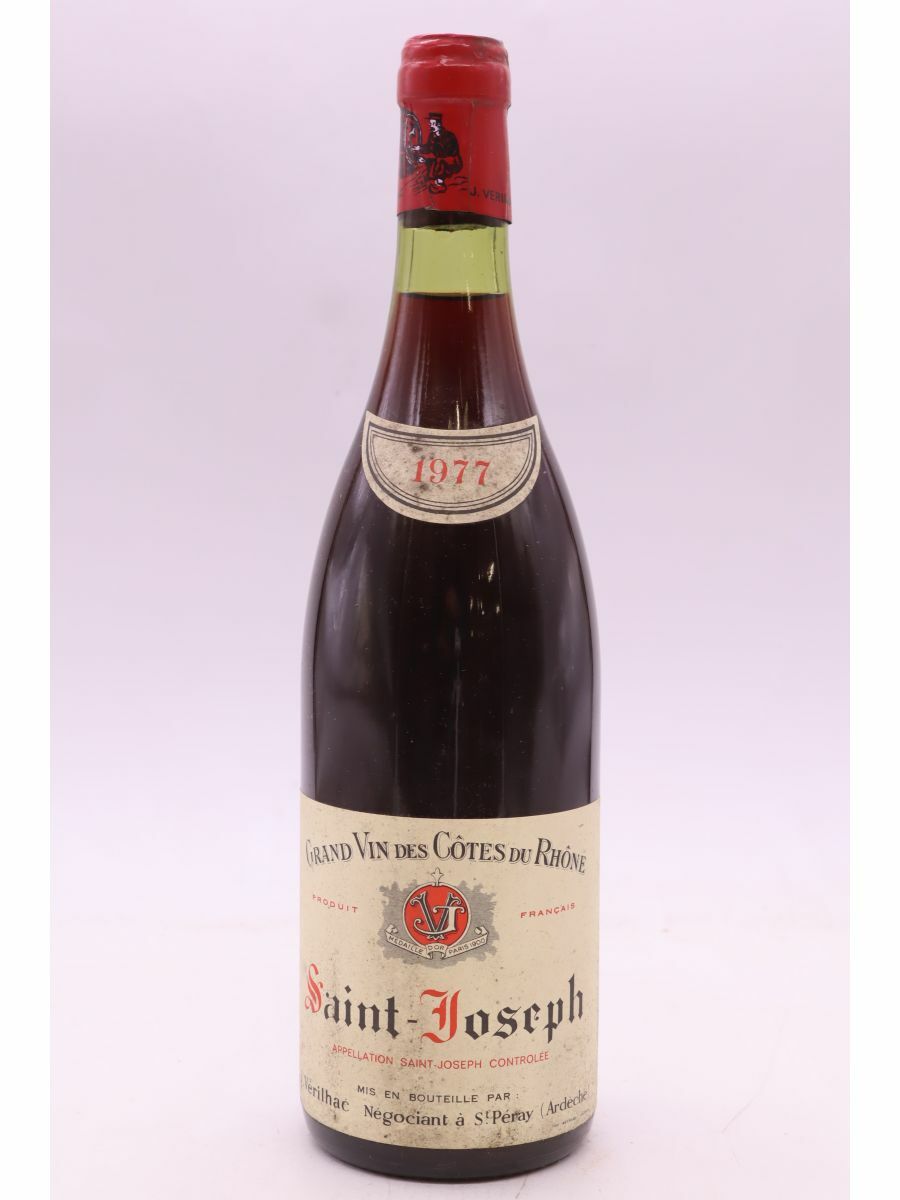
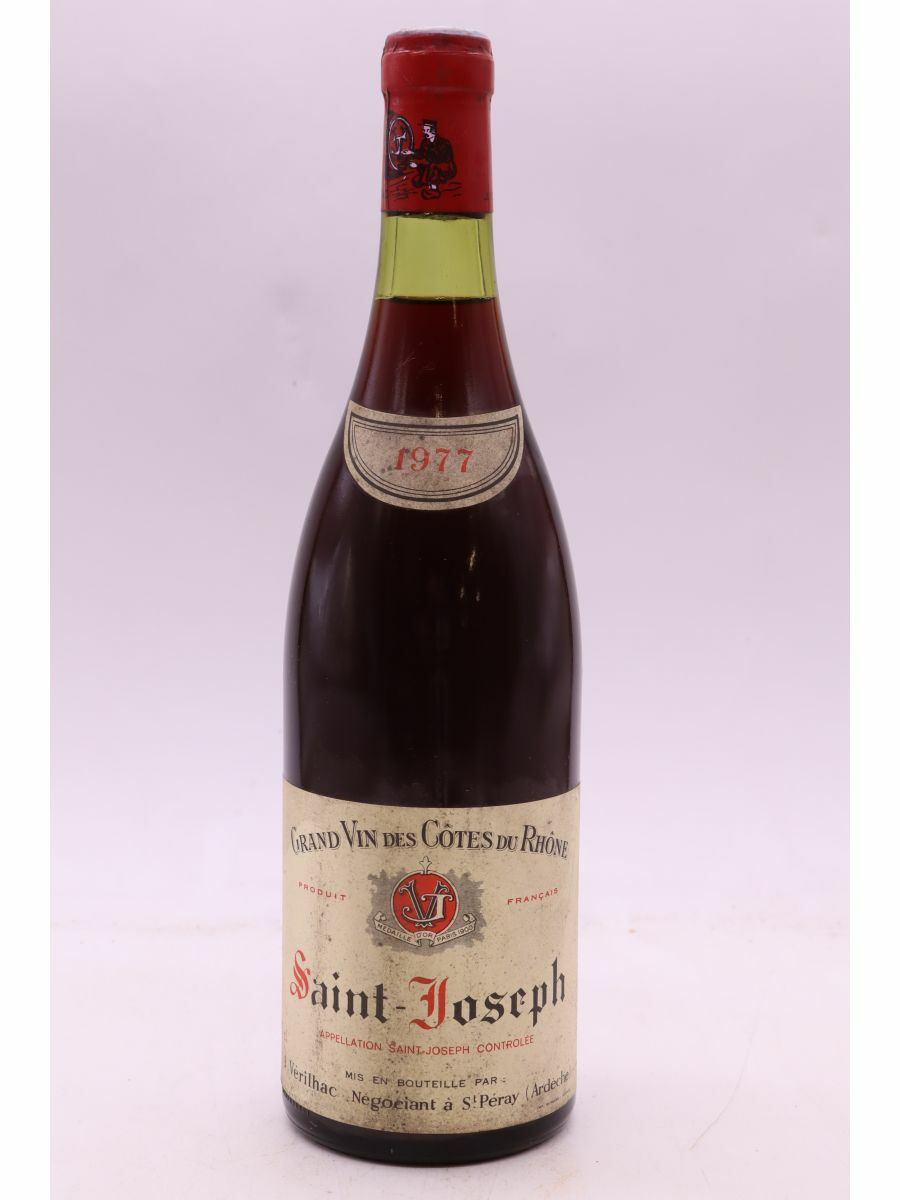
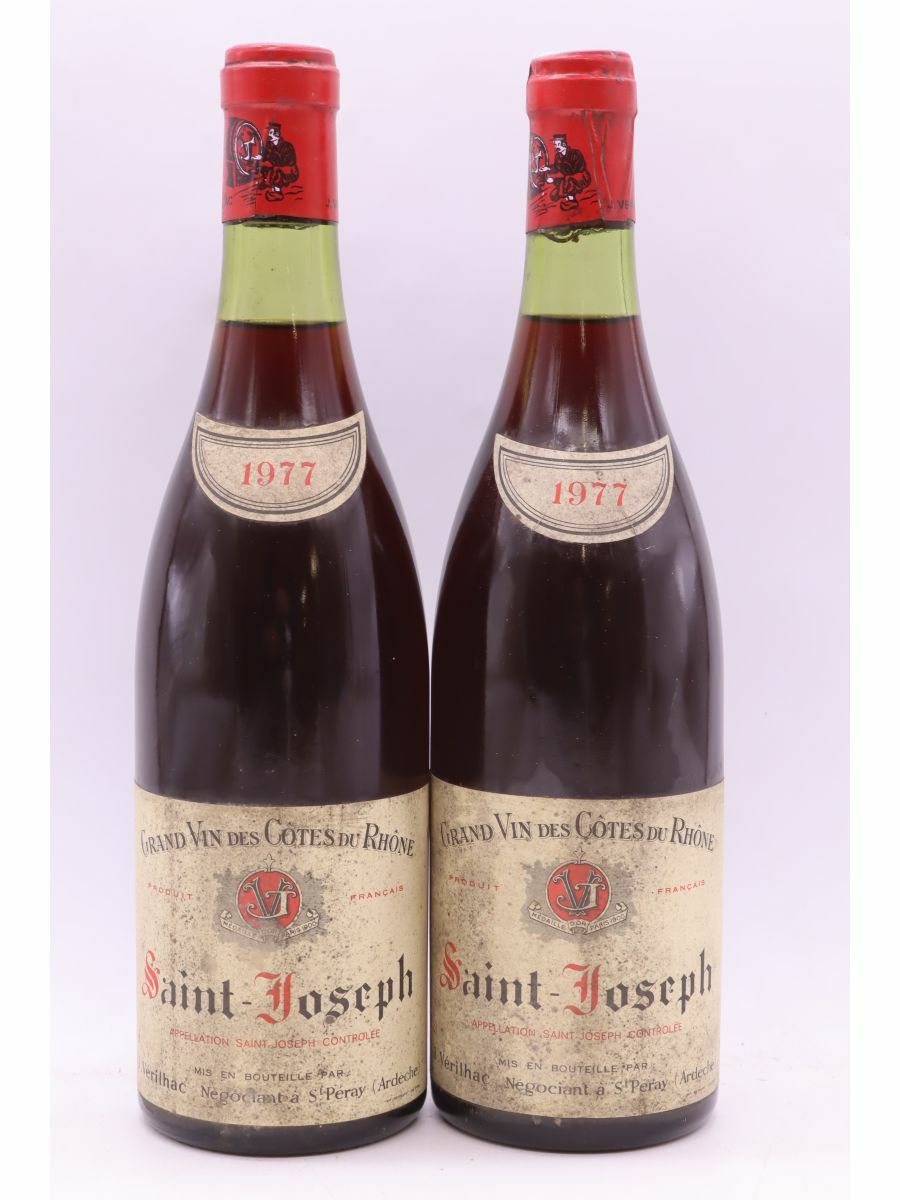
🏰 The 1977 vintage in the Rhône Valley, while not universally declared a blockbuster, could still yield interesting and characterful wines from dedicated producers, especially in appellations like Saint Joseph. Verilhac Saint Joseph 1977, made primarily from Syrah, would now be a wine of considerable age, showcasing the profound tertiary evolution that only decades in bottle can bring. Expect a wine that has transcended its primary fruit characteristics, offering complex aromas of dried fruits, leather, tobacco, forest floor, and savory spices. The palate would likely be soft and mellow, with fully integrated tannins and a long, nuanced finish, reflecting the unique style of old Rhône reds. 【A rare, deeply aged Rhône Syrah, offering profound tertiary complexity and a glimpse into a bygone era】.
🍴 This venerable Saint Joseph would pair beautifully with classic, slow-cooked dishes that echo its evolved flavors. Think roasted game birds, venison stew, truffle-infused dishes, or mature hard cheeses. Its savory and earthy notes would also complement dishes featuring mushrooms or root vegetables. For a more adventurous pairing, consider a rich, slow-braised oxtail.
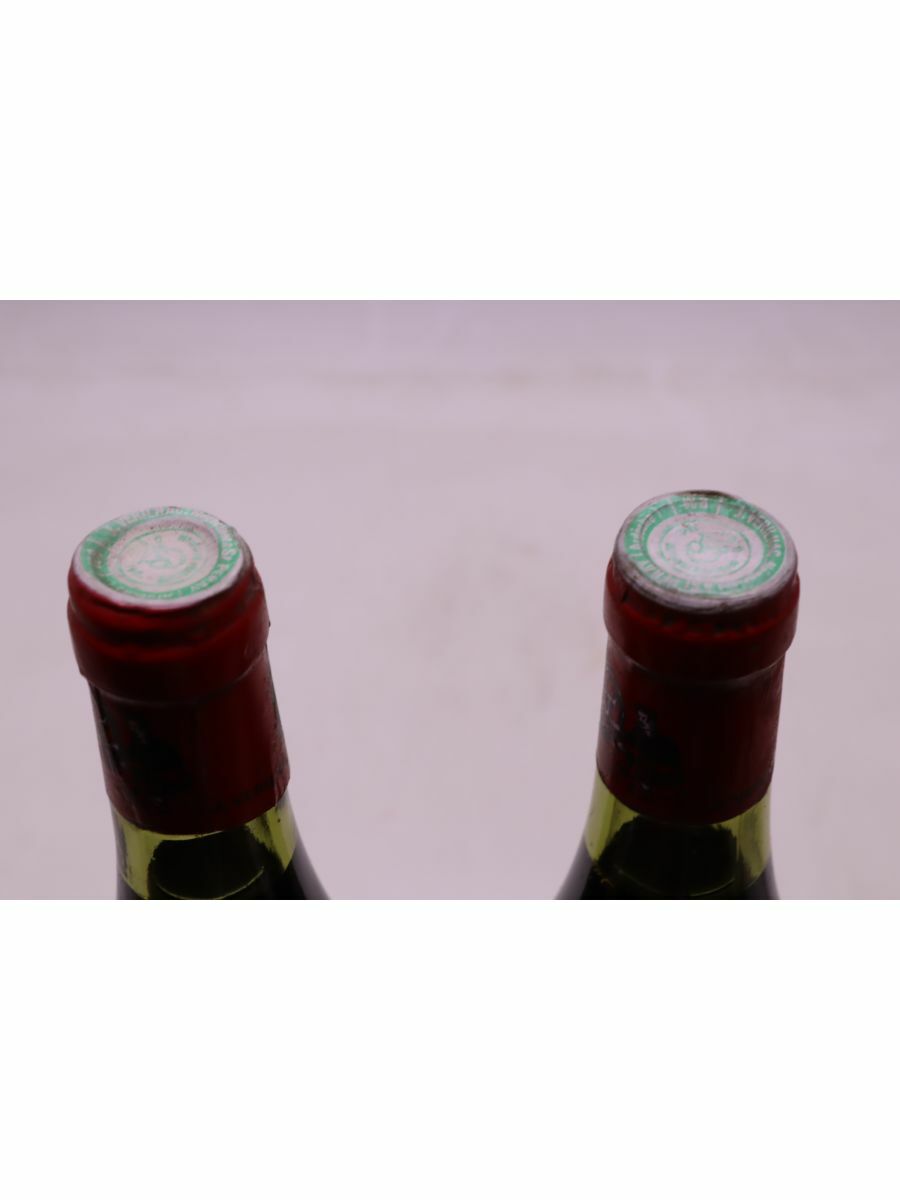
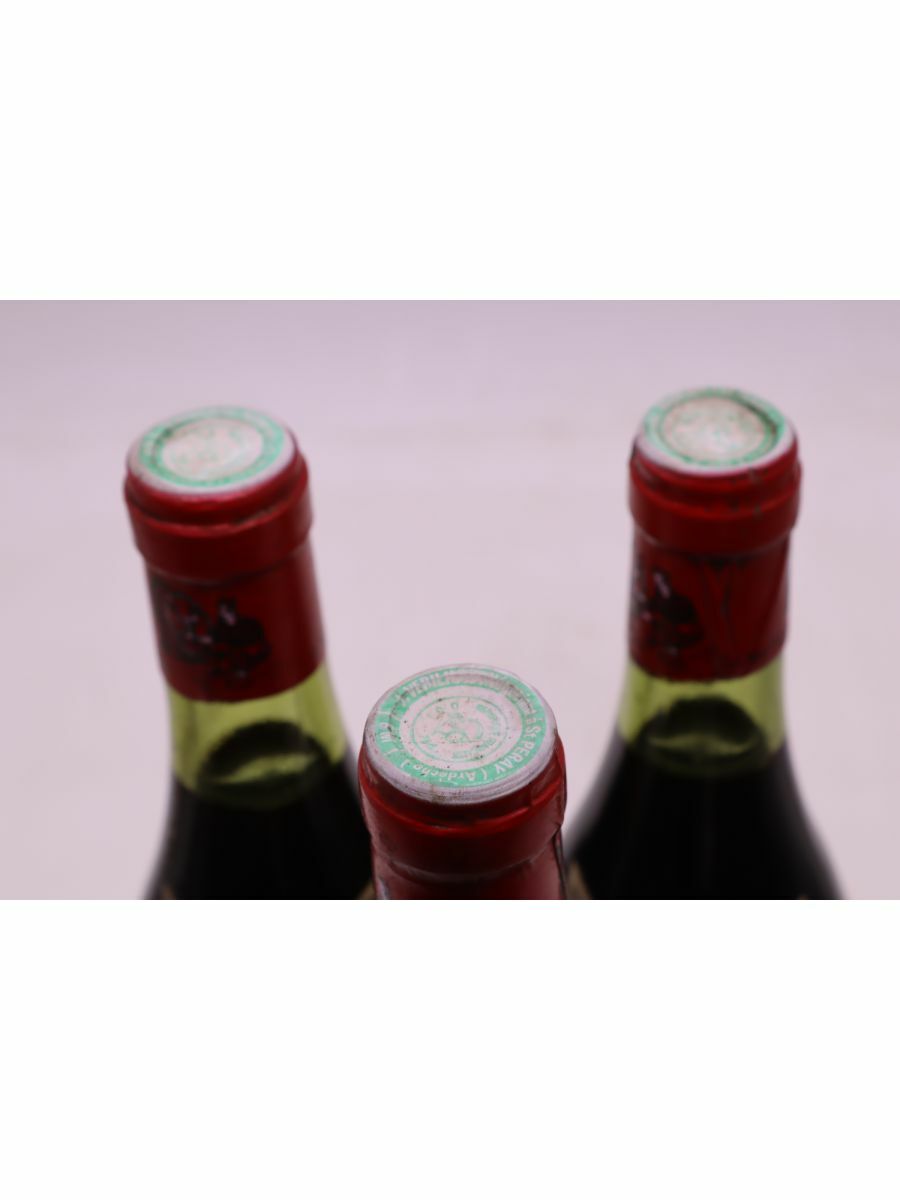
🥂 This wine is a true collector's item, perfect for a very special, intimate gathering of connoisseurs or a significant anniversary. It's a journey through time in a glass. Given its extreme age, this wine is likely to be very fragile. Old corks are highly susceptible to crumbling; use a specialized opener like a Durand or an Ah-So. Decanting is almost certainly necessary to separate any significant sediment, but proceed with extreme caution. A very gentle, slow pour into a clean decanter, perhaps through a fine mesh filter, is advisable. Monitor the wine closely for signs of fading; if it seems to lose its character quickly, serve immediately. Serve slightly below room temperature, around 17-18°C (62-64°F), to allow its delicate aromas to emerge without being overwhelmed by warmth. Ensure the bottle has been stored perfectly, ideally in a cool, dark, and stable cellar with high humidity, to maximize its chances of survival.