Welcome!Thank you for visiting! We look forward to seeing you.Welcome!Email is used by othersPlease enter user emailpassword reset link is sent to your email , the link will be expired in 30 mins
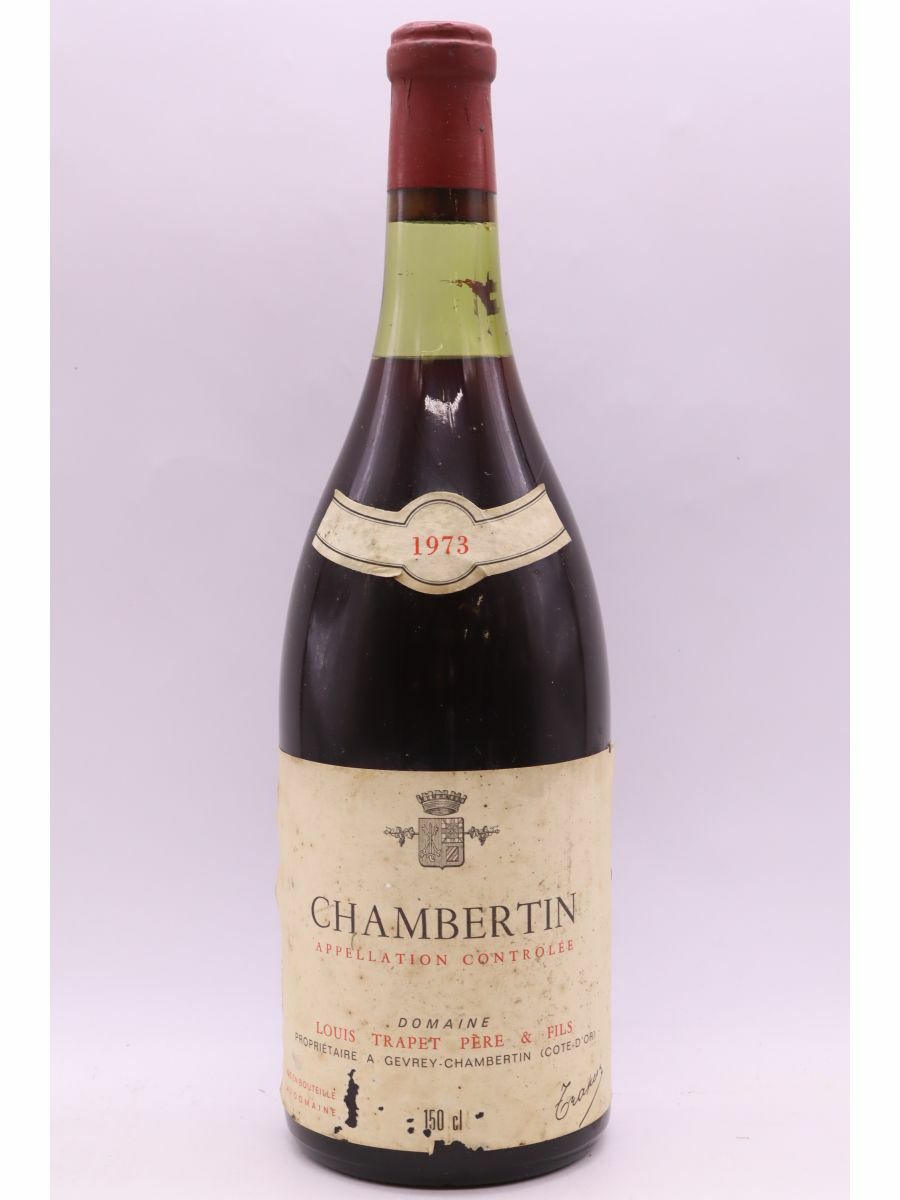
🏰 The 1973 vintage for Burgundy was rather mixed. While it began with an excellent spring and a hot, dry early summer, heavy rains from mid-July through September diluted the crop, preventing a truly great vintage. Red wines from this year were generally light with limited aging power, and few are expected to be drinking well today. However, some sources suggest that the 1973 Burgundy reds were successful, elegant, and already very evolved, with concentrated fruit aromas. For a Chambertin Grand Cru of this age, it would likely be very evolved, displaying delicate tertiary aromas of dried leaves, forest floor, subtle spice, and faded red fruit, with a light body and minimal tannins. 【Rare 1973 Burgundy Grand Cru with significant historical value】.
🍴 Given its age and delicate nature, this wine is best enjoyed as a contemplative experience rather than paired with heavy dishes. If a pairing is desired, opt for very light, subtle fare such as delicate mushroom consommé, thinly sliced air-dried ham, or very mild, aged goat cheese.
🥂 This is a truly rare and contemplative experience, perhaps best suited for a dedicated wine historian or collector to mark a birth year or a significant historical event. It's more about appreciating the historical significance and the wine's journey through time than peak drinking pleasure.
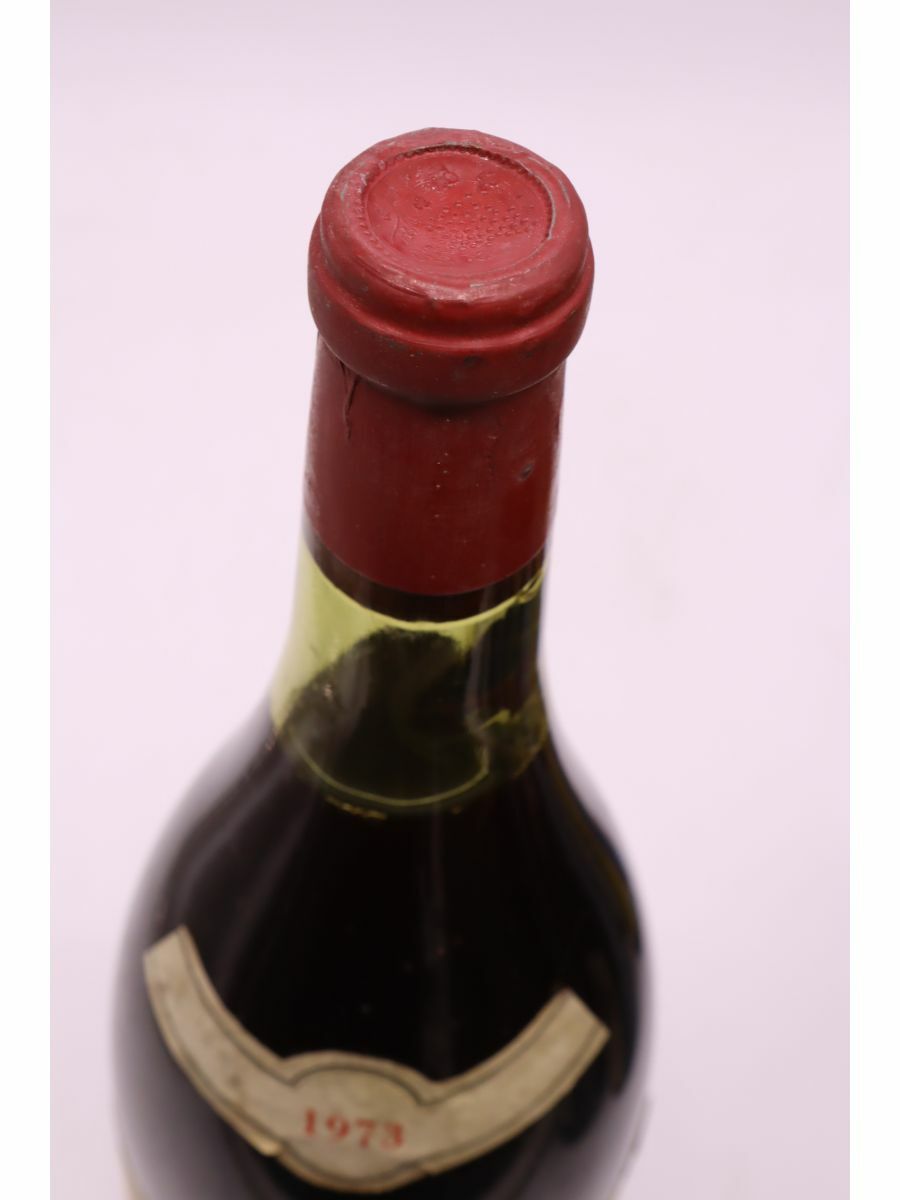
Serving Advice: This is a very old and fragile wine, so handle the bottle with the utmost care. Stand it upright for several days to allow any sediment to settle. The cork will likely be very delicate; use a two-pronged Ah-So opener or a Durand to remove it gently. Avoid aggressive decanting; a very brief decant (15-30 minutes) through a fine mesh might be appropriate if significant sediment is present, or simply pour carefully into glasses. Serve slightly cooler than usual for red Burgundy, around 14-16°C (57-61°F), to preserve any remaining freshness. Be prepared for a wine that may be past its prime, but still offers a unique historical perspective.
BACKGROUND
Domaine Trapet is a wine company comprised of two estates, one in Alsace, the other in Burgundy. The company in its current dual-region configuration formed when Andrée Trapet inherited her parents' vineyards in Alsace in 2002. Her husband Jean-Louis has run Domaine Trapet Père et Fils in Gevrey-Chambertin since 1990, when he took over from his father Jean.
 Last One