FEATURES
The 1980 vintage in Bordeaux was a notably challenging, cool-climate year that was ultimately "saved by a miracle autumn," resulting in wines that were generally light-to-medium-bodied and intended for earlier consumption rather than extensive cellaring. A cold, wet spring and summer severely hindered grape development. Despite the vintage conditions, Château Léoville Las Cases is renowned for the precision, depth, and longevity of its wines, which are often austere in their youth and demand many years of cellaring to reveal their full potential.
Upon opening, this wine may present as completely tertiary, showcasing notes of forest floor and autumnal characteristics. However, with about 30 minutes to an hour of air, notes of cedar and dark fruits can magically emerge, with the wine appearing to gain weight and become more complete and satisfying. While it is generally considered past its peak, it remains enjoyable. Expect prune and plum notes, with a moderate garnet color and a slight brick rim. The nose might be muted initially, with hints of pencil lead and an almost Rhône-like element. The palate typically features firm tannins, moderate concentration, and a cohesive, balanced, and very drinkable profile, with good persistence of fruit and wood.
🍴 Food Pairing: This aged Bordeaux pairs classically with beef, roast lamb, or a simple yet elegant meal like beef tenderloin with mushrooms and mashed potatoes.
🥂 Fit for Event: This wine is on the decline but still offers an enjoyable experience with sufficient air. It is best suited for a contemplative tasting for those who appreciate the evolution of aged Bordeaux, or for a special occasion where the historical significance of the vintage is valued. 【A testament to the longevity of Château Léoville Las Cases, offering a rare glimpse into a challenging Bordeaux vintage "saved by a miracle autumn."】
**Serving Advice for this Aged Wine:**
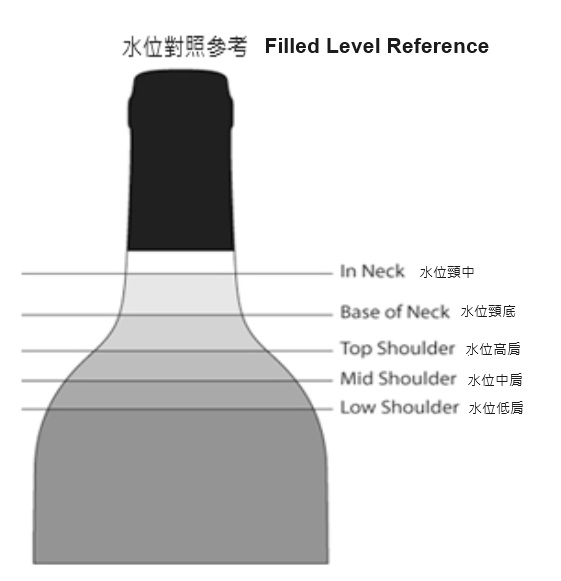
This 1980 vintage is well past its prime, offering a unique glimpse into the evolution of an old Bordeaux. Expect delicate tertiary notes, a softer structure, and potentially fragile fruit. Old corks and capsules can be brittle, so consider using a Durand or an Ah-So opener for careful extraction. Allow the bottle to rest upright for at least a week, or ideally four to six weeks, to ensure any sediment settles after transport. For serving, opinions on decanting vary for such old wines. Some recommend a gentle decant 20 minutes to two hours before serving to separate sediment, while others advise against decanting delicate old wines to avoid over-oxygenation, suggesting simply uncorking 4-5 hours prior and letting it breathe slowly in the bottle. If you choose to decant, do so slowly, holding a light under the neck to monitor for sediment. Serve red wines of this age at a temperature of 16-18°C (60-64°F). Use a glass with a generous bowl to allow the wine to express its complex aromas.
 Last One