Welcome!Thank you for visiting! We look forward to seeing you.Welcome!Email is used by othersPlease enter user emailpassword reset link is sent to your email , the link will be expired in 30 mins
🏰 The 1975 Moet & Chandon Dom Perignon is a 【nearly 50-year-old prestige cuvee Champagne, representing one of the great vintages of the 1970s】. The growing season in Champagne that year was exceptional, with ideal summer conditions and a long, warm autumn allowing for complete phenolic ripeness. This is a true collector's expression.
Short tasting note: Expect a deep golden amber hue with a fine, gentle mousse. The nose is complex and tertiary, revealing dried apricot, walnut, mushroom, toast, and a distinctive autolytic depth. The palate is rich, concentrated, and oxidative, with caramelized citrus, dried fig, hazelnut, and a long mineral finish, having evolved dramatically from its original fresh profile.
🍴 This profound aged Champagne pairs beautifully with delicate seafood dishes, a sophisticated cheese board featuring aged Comté or Parmesan, or rich pates and terrines. Its complexity can also complement roasted poultry with truffle elements.
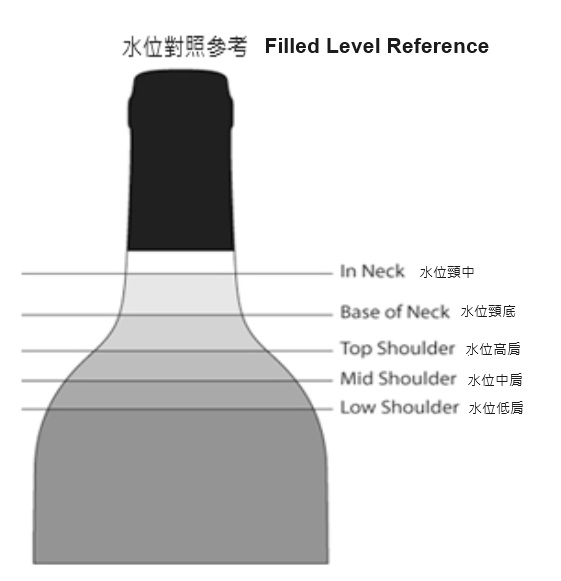
🥂 This is a bottle for the serious collector or for a truly special, once-in-a-lifetime celebration, appreciating the unique character that only decades of bottle development can produce. As a nearly 50-year-old Champagne, it has evolved significantly. The mousse will be softer and finer, and the primary fruit notes have given way to profound tertiary complexity. Old corks and capsules can be delicate, so open with extreme care. Serve chilled, but not ice-cold (around 10-12°C or 50-54°F), to allow its intricate aromas to fully express themselves. Decanting is generally not recommended for aged Champagne.
BACKGROUND
Dom Perignon is the prestige cuvee of Moet & Chandon, named after the Benedictine monk who was an important quality pioneer for Champagne wine. Produced only in exceptional vintage years, it is a blend of Pinot Noir and Chardonnay, celebrated for its perfect balance, complexity, and aging potential.