Welcome!Thank you for visiting! We look forward to seeing you.Welcome!Email is used by othersPlease enter user emailpassword reset link is sent to your email , the link will be expired in 30 mins
Beaucastel, Chateauneuf Du Pape Roussanne Blanc Vieille Vignes, 1992
White
750ml
Label : Good Label
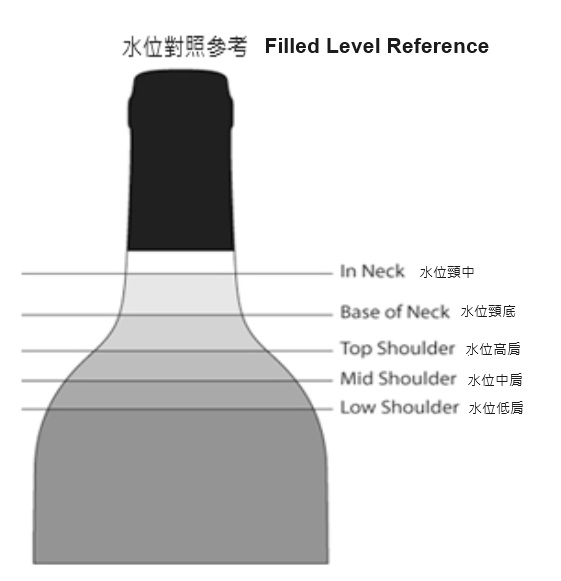
Level : Neck Level
Capsule : Good Capsule
🏰 The 1992 Beaucastel Chateauneuf du Pape Roussanne Blanc Vieille Vignes is a 【testament to Beaucastel's mastery, offering a rare opportunity to savor an aged Roussanne Blanc from a challenging vintage, where careful viticulture allowed for some good wines to emerge】. While 1992 was generally difficult for the Rhone, Beaucastel's old vines and meticulous winemaking likely yielded a wine with evolved complexity, showcasing honeyed notes, dried apricots, and a rich, textural palate that defies the vintage's reputation.
🍴 This mature white Rhone wine pairs exquisitely with rich seafood dishes, roasted poultry with creamy sauces, foie gras, or aged goat cheese. Its depth can also complement subtly spiced Mediterranean cuisine.
🥂 An intriguing choice for a special occasion, a vertical tasting, or for those who appreciate the unique evolution of aged white wines.
For optimal enjoyment, stand the bottle upright for one to two days before opening to allow any sediment to settle. Serve gently chilled, around 10-12°C (50-54°F). Be mindful of the old cork and capsule, and consider using an Ah-So opener.
BACKGROUND
Château de Beaucastel is a wine producer based in Courthézon, in the northern Châteauneuf-du-Pape region of the southern Rhône. Château de Beaucastel has all 13 of the permitted grape varieties for Châteauneuf-du-Pape planted in the vineyard (Bourboulenc; Brun Argenté/Vaccarèse; Cinsault; Clairette Blanc and Rose; Counoise; Grenache Blanc, Gris and Noir; Mourvèdre; Muscardin; Picardan; Piquepoul Blanc Gris and Noir; Roussanne; Syrah; and Terret Noir). The estate traces its roots back to 1549 when Pierre de Beaucastel purchased a barn and vineyard plot in the region, marking it with his family's crest. It remained in the family until 1909 when scientist Pierre Perrin took control. Today, the estate is managed by Perrin's grandsons, Jean-Pierre and François.
 Last One