FEATURES
🏰 The 1976 Taittinger Comtes de Champagne Rosé is a testament to the enduring power of exceptional Champagne. This vintage, produced only in exceptional years, hails from a sunny and hot drought year that initially raised concerns about acidity. However, it has proven to be a majestic survivor, defying time with its richness and complexity. It's the Champagne House's most rare cuvée, a meticulous blend of 70% Pinot Noir (from 100% Grand Crus, including 12% red wine from Bouzy) and 30% Chardonnay (from 100% Grand Crus in Côte des Blancs), ensuring structure and long aging potential.
Upon tasting, this venerable Champagne can reveal a rich and truffley nose, with well-preserved elements of candied lemon peel, smoke, and fresh-baked apple tarte. The palate, for well-preserved bottles, holds lively acidity, nice extract, wonderful balance, and good length, showcasing a beautiful fruitiness and a silky, structured mouthfeel. Some bottles may present more evolved notes of old mushroom, rust, sherry-like flavors, sweet caramel, and roasted nuts, indicative of its age. Others might offer a generous, almost baroque texture with toffee and marmalade notes.
🍴 While specific pairings for this vintage are rare, aged Champagne generally complements richer poultry dishes, delicate game, and aged, creamy cheeses. Classic Champagne pairings like oysters and shellfish are also suitable, though the wine's age suggests a more robust culinary partner.
🥂 This Comtes de Champagne Rosé is a delicious luxury to be enjoyed in small sips, perfect for special occasions, significant anniversaries, or intimate, curated gatherings where its historical significance and evolved character can be truly appreciated.
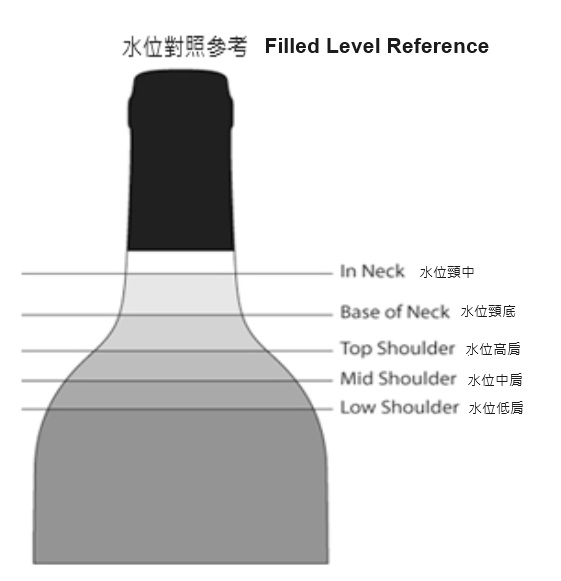
When approaching such a venerable bottle, remember that older wines can be quite fragile. The cork may be delicate, and the capsule might show signs of age. Handle with care. For serving, ensure the bottle is gently brought to cellar temperature (around 10-12°C or 50-54°F) and handled with minimal disturbance to avoid stirring any sediment. Decanting is generally not recommended for old Champagne as it can dissipate the delicate effervescence and nuanced aromas. Instead, open carefully and pour slowly into appropriate Champagne flutes or tulip glasses, allowing the wine to express its evolved character directly. Be prepared for a potentially softer mousse and a more oxidative, complex profile than younger Champagnes.
【Taittinger's most rare cuvée, a majestic 1976 vintage defying time】
 Last One