FEATURES
🏰news | features + short tasting note
Henri Jayer is a legendary figure in Burgundy, renowned for pioneering modern winemaking techniques and producing some of the world's most sought-after and expensive Pinot Noirs. Henri Jayer, born in Vosne-Romanee in 1922, is widely considered the most influential producer in Burgundy's history, credited with pioneering cold pre-fermentation maceration, 100% destemming, and no-filtration winemaking. His wines are among the most expensive and sought-after globally. The 1982 vintage, while not as universally lauded as some other Burgundy years, would have been crafted with Jayer's meticulous vineyard care, rigorous grape selection, low yields, and natural yeast fermentation. Before 1978, grapes from his famous Cros Parantoux vineyard were blended into his Vosne-Romanee village wine, adding to its complexity. Expect a mature Burgundy profile, likely showing evolved aromas of dried red fruits, forest floor, truffle, leather, and exotic spices, with a silky texture and lingering finish, reflecting the grace and complexity Jayer's wines are known for.
🍴 Chinese Cantonese food pairing various types of suggestion east or west corresponding to wine cost IN ENGLISH
This venerable Burgundy would be best paired with equally refined and subtle dishes. Think roasted squab with wild mushrooms, delicate pan-seared foie gras, or a classic truffle risotto. For a Chinese pairing, consider braised abalone or a refined bird's nest soup, allowing the wine's complexity to shine without being overpowered.
🥂 fit for event suggestion IN ENGLISH
An extraordinary wine for a truly momentous occasion, such as a significant anniversary, a milestone birthday, or a private tasting for serious collectors.
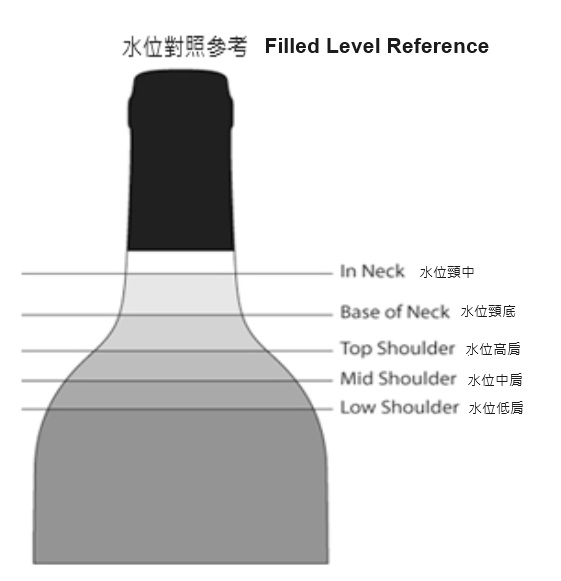
Serving an older wine like this 1982 Jayer requires care. The cork may be fragile, so a Durand opener or similar tool is recommended. Stand the bottle upright for several days to allow any sediment to settle. Decant gently just before serving to separate the wine from the sediment, but be mindful not to over-aerate, as very old wines can fade quickly. Serve at cellar temperature, around 16-18°C.