Welcome!Thank you for visiting! We look forward to seeing you.Welcome!Email is used by othersPlease enter user emailpassword reset link is sent to your email , the link will be expired in 30 mins
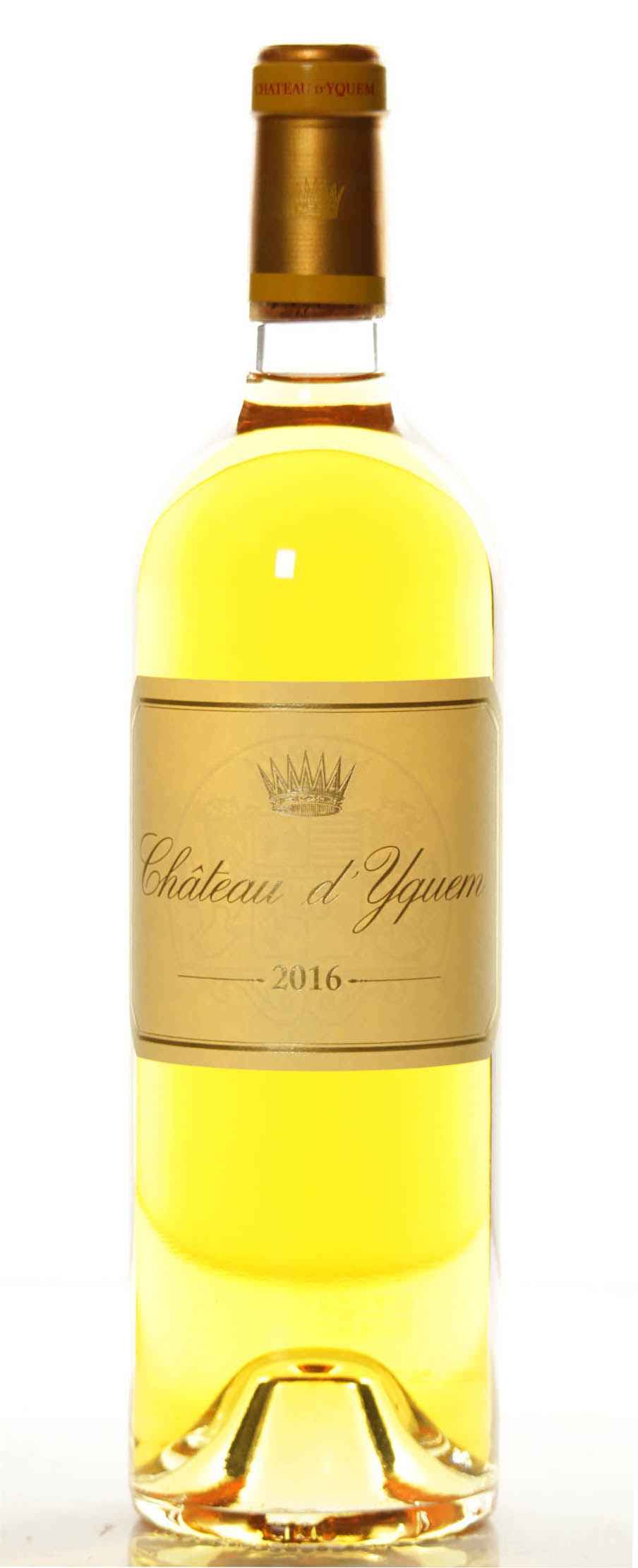
Chateau D'yquem, 2016
JS
99
RP
97
WE
97
Sweet Wine
750ml
label : Good Label
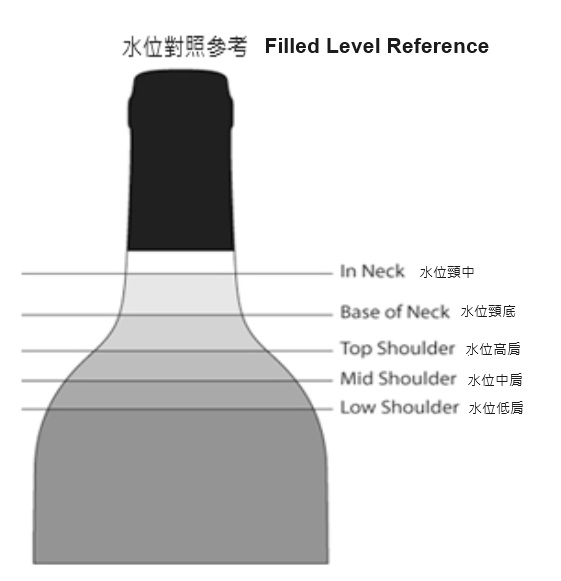
level : Neck Level
capsule : Capsule : good condition
🏰 The 2016 Château d'Yquem is hailed as an epic wine, pure magic, and one of the greatest dessert wines. It comes from a vintage with a unique microclimate that encourages noble rot. James Suckling rated it 99 points. It presents clear citrus on the nose with hints of flint and smoke, allowing soft white flowers and lime blossom to emerge. Caramel notes run through the mid-palate, offering great persistency and extreme elegance. 【 Rated 99 points by James Suckling, an epic wine of pure magic 】.
🍴 For food pairings, the classic match is seared foie gras, where the richness of the liver mirrors the wine's opulence. Roquefort or Stilton blue cheese provides a bold sweet-savory counterpoint, highlighting the acidity. For desserts, consider fresh fruits like apricots or peaches & cream, crème brûlée, tarte Tatin, or poached pear in saffron. More daring pairings include oysters, scallops, lobster in vanilla butter sauce, or glazed poultry and pork dishes. It also pairs well with spicy Asian cuisine and raw fish like sushi or sashimi.
🥂 This world-class wine is perfect for celebrating milestone birthdays, anniversaries, or retirements. It also makes an excellent gift for serious Bordeaux collectors as a cellar-worthy trophy bottle. A young d'Yquem can also serve as a grand aperitif with salty and savory snacks.
BACKGROUND
Chateau d'Yquem is a property in the Sauternes district of Bordeaux, making what is arguably the world's most famous dessert wine.The Yquem vineyard is planted to around 75 percent Semillon and 25 percent Sauvignon Blanc. A team of around 150 expert pickers are used each vintage and make multiple passes through the vineyard to ensure that only fully botrytized fruit is harvested. Yields are very low â about 900 liters per hectare, or around one glass per vine.
 Last One