FEATURES
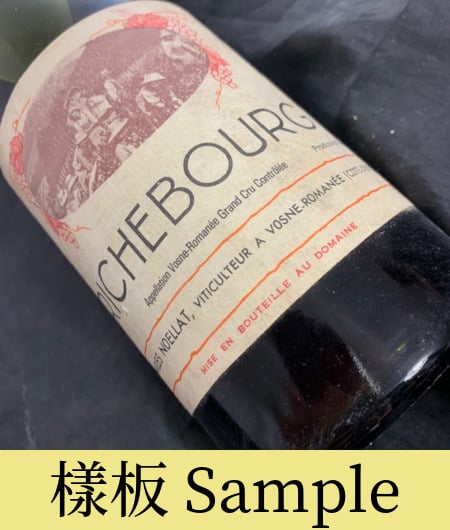
🏰news | features: Charles Noellat was a historic and highly respected producer in Burgundy, whose Richebourg Grand Cru wines are now legendary for their rarity and exceptional quality. The 1961 vintage is a true relic, representing a bygone era of winemaking. While specific tasting notes for this exact bottle are virtually impossible to find due to its extreme age and rarity, Richebourg Grand Cru is consistently lauded as one of Burgundy's most profound and complex expressions of Pinot Noir.
【Embark on an extraordinary journey with a legendary 1961 Richebourg Grand Cru, a rare and profound piece of Burgundy history】. Expect a wine that, if well-preserved, would offer an incredibly evolved and tertiary aromatic profile. Anticipate delicate notes of dried rose petals, forest floor, truffle, leather, and exotic spices, with perhaps a whisper of faded red fruit. The palate, if still alive, would be ethereal and silky, showcasing remarkable finesse and a lingering, savory complexity that only decades in bottle can achieve. This is a wine for contemplation, a testament to time and terroir.
🍴 Chinese Cantonese food pairing: For such an ancient and delicate wine, the pairing should be equally refined and subtle. Consider a very light Cantonese clear broth with dried scallops, or a delicate steamed chicken with minimal seasoning. For Western cuisine, a simple consommé, very finely sliced aged Parma ham, or a mild, aged Comté cheese would be appropriate. The goal is not to overpower the wine but to complement its delicate, aged nuances.
🥂 fit for event suggestion: This is a once-in-a-lifetime experience, ideal for a very intimate and significant celebration, perhaps a diamond anniversary or a gathering of true wine historians. It's less about a 'party' and more about a profound moment of appreciation. When opening such an old bottle, extreme care is paramount. The cork will likely be fragile, and a Durand or Ah-So opener is highly recommended. Be prepared for a potentially disintegrated cork and sediment. Decant gently and immediately before serving, or pour carefully to leave sediment behind. Serve slightly below room temperature, around 15-16°C (59-61°F), to allow its delicate aromas to unfold.
 Last One