FEATURES
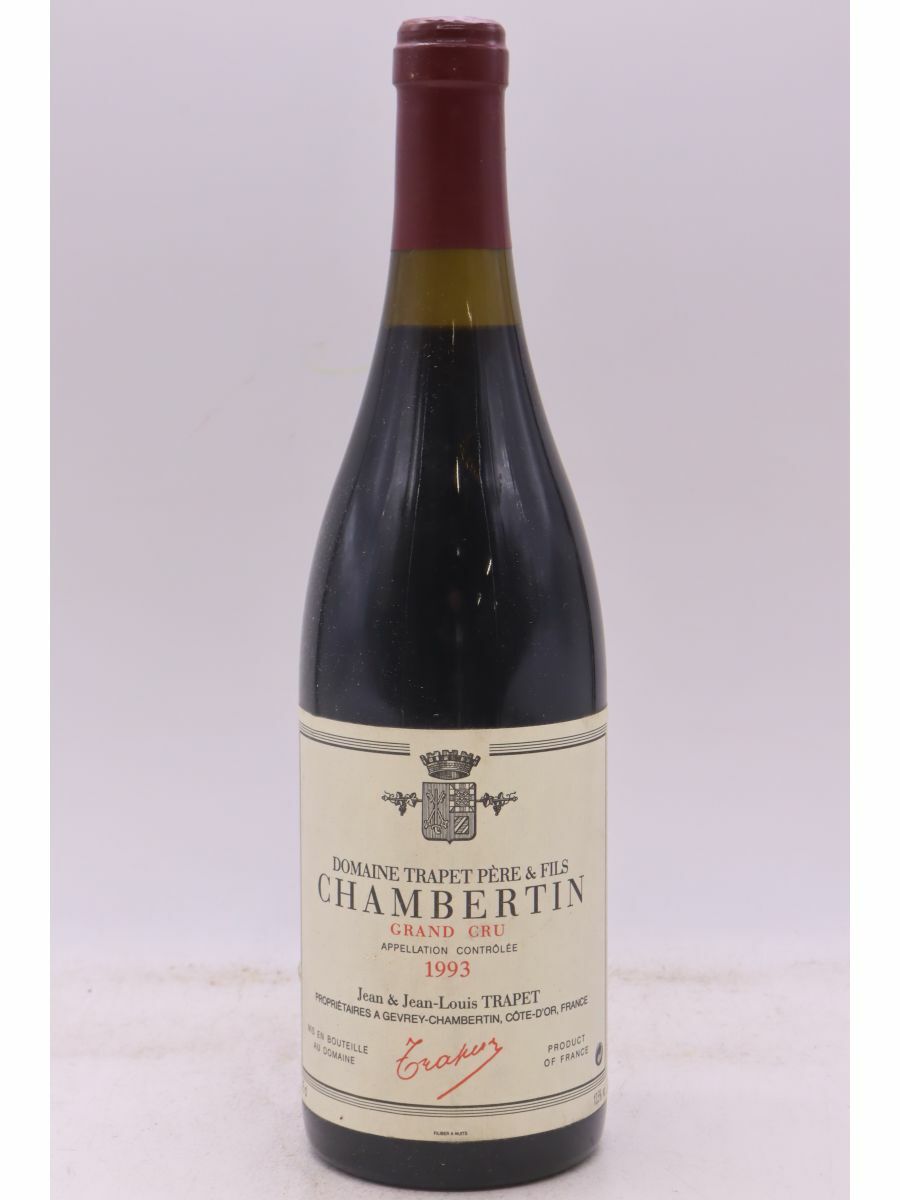
🏰 The 1993 Trapet Chambertin Grand Cru is a magnificent example from a very good to excellent Burgundy vintage, known for producing classic, long-lived Pinot Noirs with superb structure and acidity. At over three decades old, this wine is now fully mature and can offer an exquisite drinking experience. Domaine Trapet Père & Fils, a seventh-generation Gevrey-Chambertin estate, is celebrated for its biodynamic farming practices, implemented since the mid-1990s. The Trapet family holds a unique place in Burgundian history, being among the first to illegally graft vines during the phylloxera crisis, a move that helped save the region's vineyards. They are renowned for crafting pure, complex, and elegant wines. This Chambertin Grand Cru would likely display a complex bouquet of dried red fruits, forest floor, truffle, leather, and spice, with a silky texture and a long, elegant finish, where the tannins are fully integrated. 【A rare and exquisite Chambertin Grand Cru from the excellent 1993 vintage, from a historic biodynamic domaine with a legacy of saving Burgundy's vineyards.】
🍴 This exquisite, aged Grand Cru Burgundy demands equally refined pairings. Consider roasted game birds such as squab or pheasant, dishes featuring fresh truffles, or a perfectly prepared fine cut of beef like a Wagyu fillet. Aged Comté or other mature hard cheeses would also be a superb match.
🥂 This wine is ideal for a truly momentous celebration, a significant anniversary, or a connoisseur's tasting. It's a wine to be savoured and appreciated for its historical significance and evolved complexity.
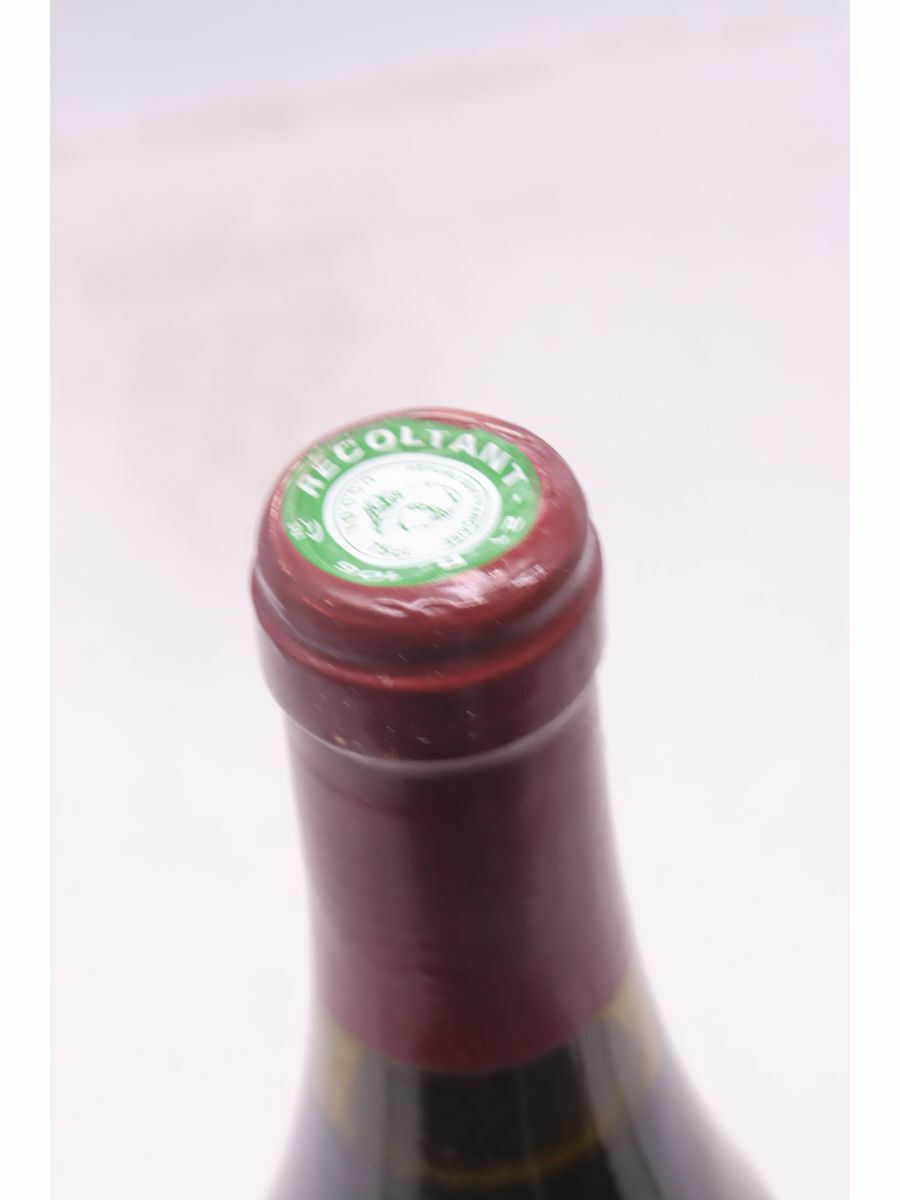
Serving Advice: This 1993 Chambertin Grand Cru is a mature and potentially fragile wine. Handle the bottle with utmost care, keeping it upright for several days before serving to allow any sediment to settle naturally. A gentle decanting for 30-60 minutes before serving can help separate sediment and allow the wine to open up, but be mindful not to over-decant very old wines, as they can sometimes fade quickly. Serve at a cool cellar temperature, ideally between 16-18°C (60-64°F). Be prepared for a potentially delicate cork and capsule; a specialised corkscrew like a Durand or an Ah-So might be useful for safe extraction.
 Last One