FEATURES
🏰news | features + short tasting note
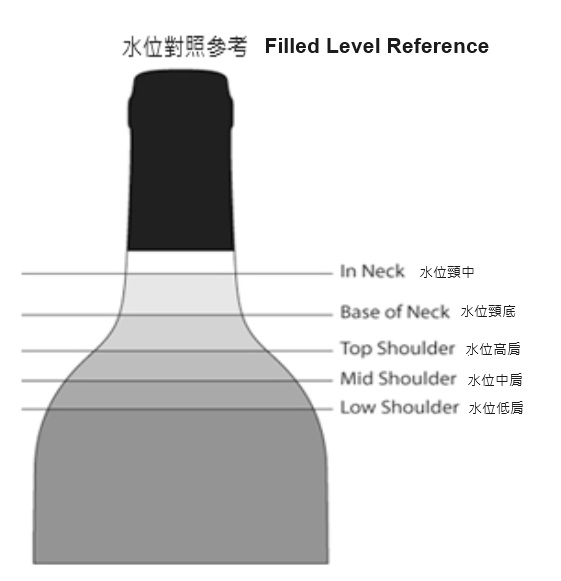
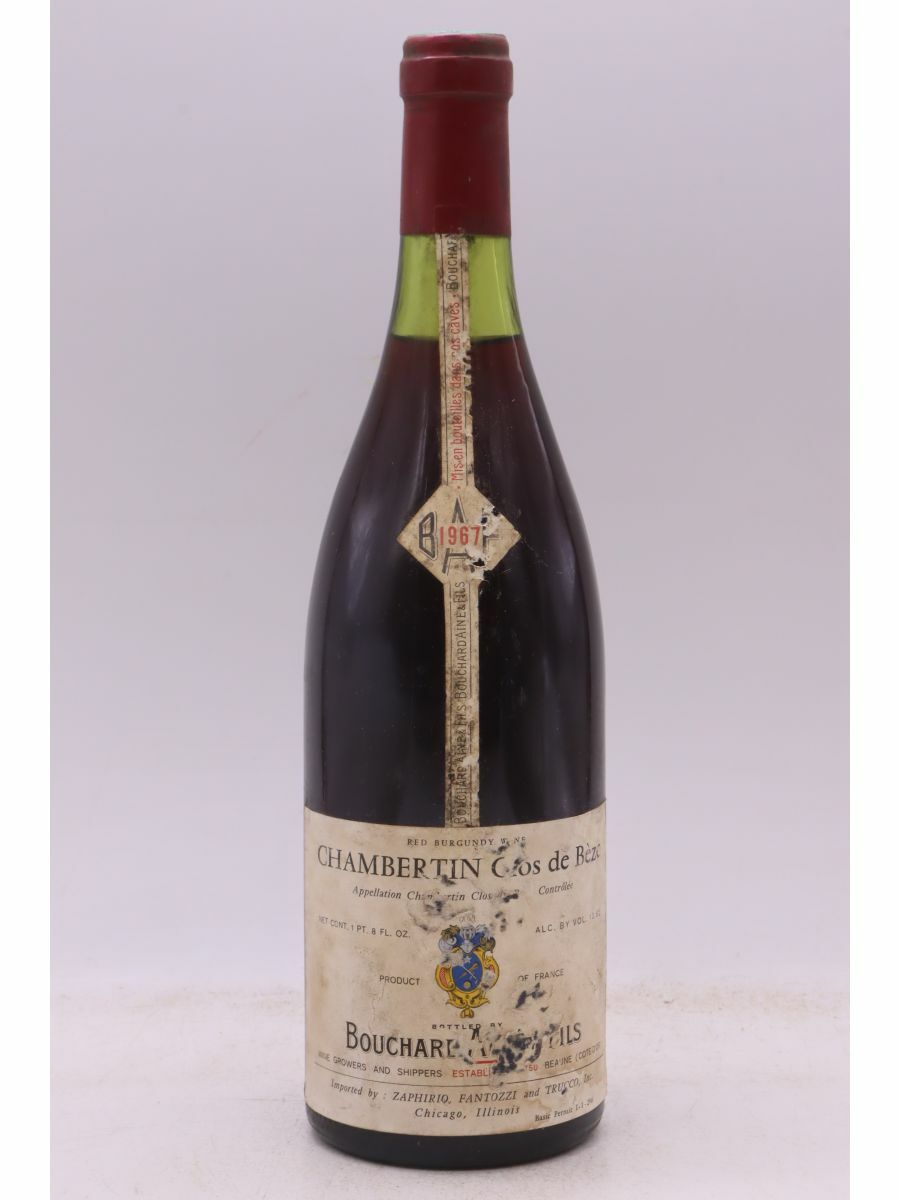
【Bouchard Pere et Fils' Chambertin Clos de Beze Grand Cru 1967 is an exceptionally rare and historically significant red Burgundy, representing a testament to the longevity of this prestigious Grand Cru.】 The 1967 vintage in Burgundy was generally considered a good, ripe year, and wines from top Grand Crus like Chambertin Clos de Bèze from reputable houses like Bouchard Père et Fils were built to age. At nearly six decades old, this wine has transcended its primary fruit characteristics, now offering a complex tapestry of tertiary aromas. Expect notes of dried leaves, forest floor, leather, truffle, exotic spices, and dried red fruits, with a delicate, ethereal perfume. The palate, if well-preserved, would be soft and harmonious, with fully integrated tannins and a lingering, savory finish that speaks of profound age and elegance. The condition of such an old bottle is paramount, and while the journey through time can be unpredictable, a well-stored example promises a truly unique and contemplative experience.
🍴 Chinese Cantonese food pairing various types of suggestion east or west corresponding to wine cost
This venerable red Burgundy demands pairings that respect its age and complexity. For Cantonese cuisine, consider a delicate braised pigeon with dried mushrooms or a refined double-boiled soup with aged ham. For Western pairings, it would be sublime with roasted game birds, a classic beef Wellington, or a selection of very old, hard, artisanal cheeses. Truffle-based dishes would also be an exceptional match.
🥂 fit for event suggestion
This is a wine for an extraordinary, once-in-a-lifetime tasting event, a significant anniversary, or a profound moment of reflection for a true connoisseur. It's an opportunity to taste history and appreciate the enduring legacy of fine Burgundy.
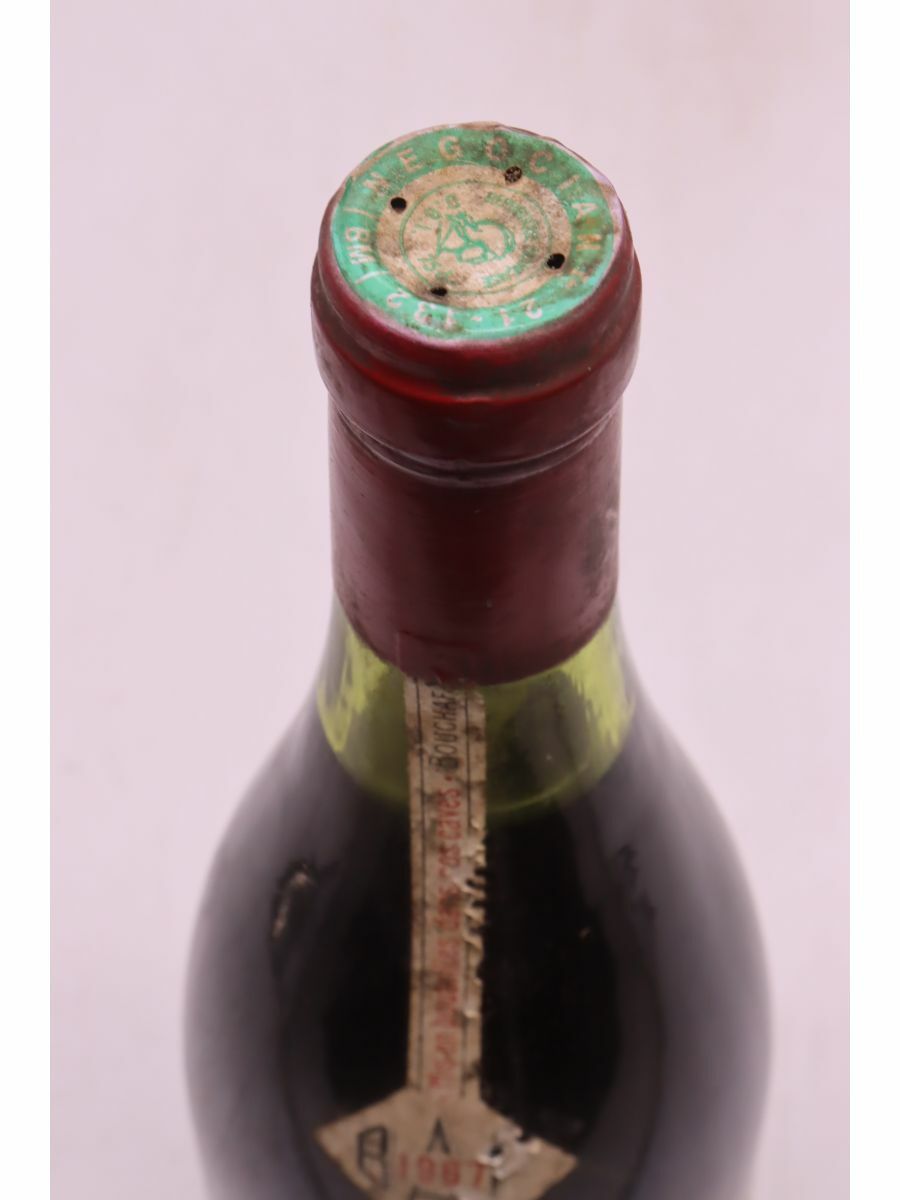
Serving such an ancient wine requires utmost care and preparation. The cork will likely be extremely fragile; a Durand or Ah-So opener is essential. Inspect the wine for clarity and sediment; gentle decanting, perhaps through a fine mesh, is recommended just before serving to separate any deposits, but avoid excessive aeration which could dissipate its delicate aromas. Serve at a cool cellar temperature, ideally 16-18°C (60-64°F), in large Burgundy glasses to allow its intricate bouquet to slowly unfold. Be prepared for the possibility of bottle variation, but approach with optimism for a truly unique experience.
 Last One