Welcome!Thank you for visiting! We look forward to seeing you.Welcome!Email is used by othersPlease enter user emailpassword reset link is sent to your email , the link will be expired in 30 mins
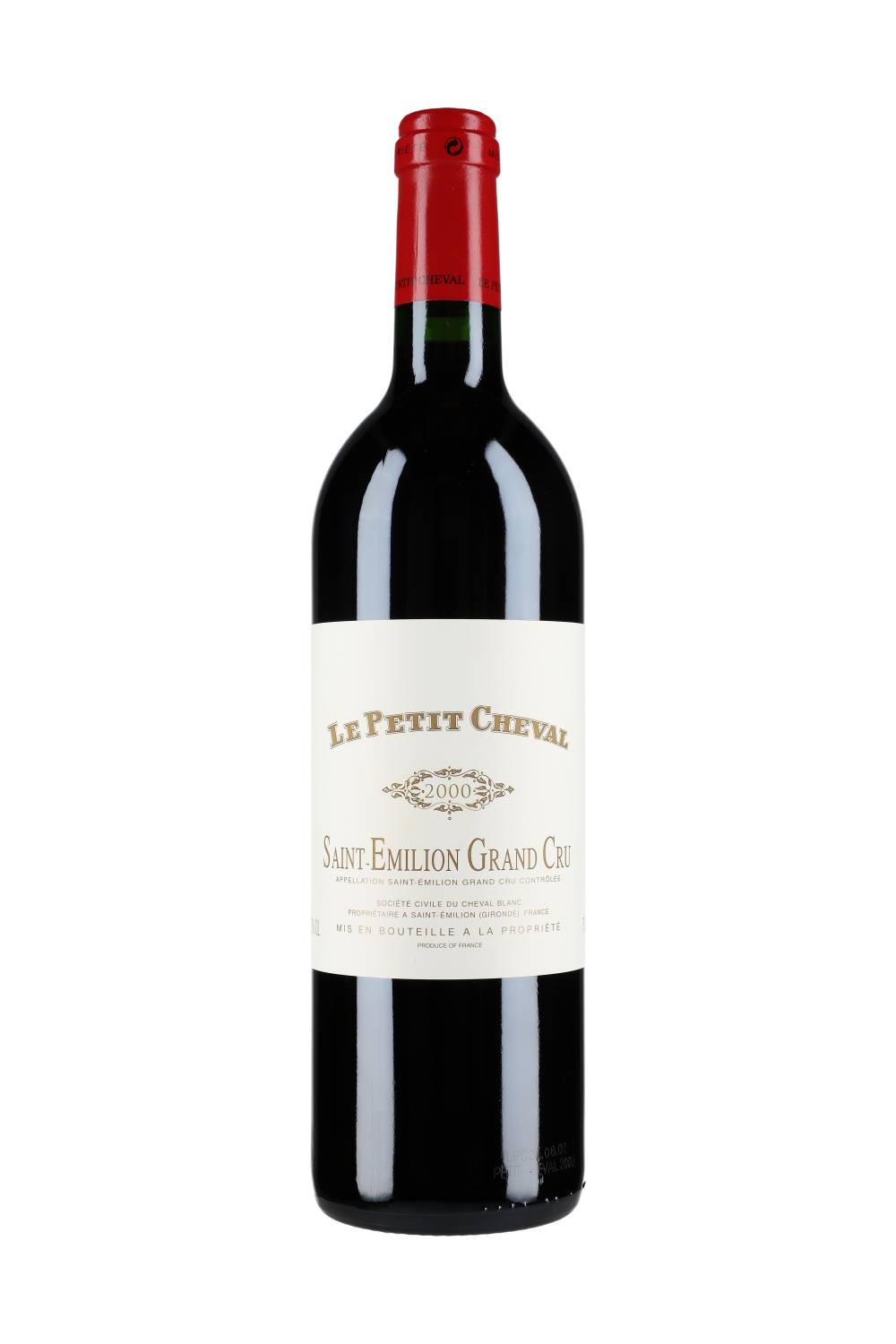
🏰 Le Petit Cheval 2000, the esteemed second wine of Château Cheval Blanc, radiates with the excellence of a celebrated vintage, offering 【grace over grandeur and a window into the character of Cheval Blanc at the turn of the millennium】. This deep garnet-hued Bordeaux reveals a complex bouquet of blackberry, blueberry, crushed violets, fragrant dried cedar, and a hint of cigar box. The palate is medium-bodied with fine, softened tannins, leading to a harmonious and silky finish marked by cedar and a gentle herbal echo. It's currently in a beautiful drinking window, showcasing a lovely balance of power, complexity, and aromatic purity.
🍴 This elegant red Bordeaux pairs wonderfully with classic meat dishes like roasted lamb, beef tenderloin, or duck breast. It also complements rich poultry, game, and even hearty Asian cuisine or mushroom-based pasta dishes.
🥂 Perfect for a special dinner, a gathering of wine enthusiasts, or as a splendid addition to any serious collector's cellar. This mature vintage is best enjoyed now, and while some suggest it doesn't need much air, a short decant (30-60 minutes) can help it fully express its nuanced profile. Serve at 16-18°C (60-64°F).
BACKGROUND
Chateau Cheval Blanc is a property in the Saint-Emilion region of Bordeaux, classified with the top ranking of Premier Grand Cru Classe A.The vineyard is located in the northwest of the region, bordering Pomerol – La Conseillante is a neighbor – and consists of 39 hectares (96 acres) divided into 45 plots. There is an unusually high amount of Cabernet Franc planted, about 49 percent, with 47 percent Merlot and 4 percent Cabernet Sauvignon. The unusual planting proportions reflect the terroir; most vineyards in the region are either clay or gravel-based over impermeable sedimentary rock, but Cheval Blanc is unique in having a patchwork of soils with the two types in roughly equal proportions. The clay soils provide base wines with velvety tannins, while those from gravel soils are more aromatic and elegant.