Welcome!Thank you for visiting! We look forward to seeing you.Welcome!Email is used by othersPlease enter user emailpassword reset link is sent to your email , the link will be expired in 30 mins
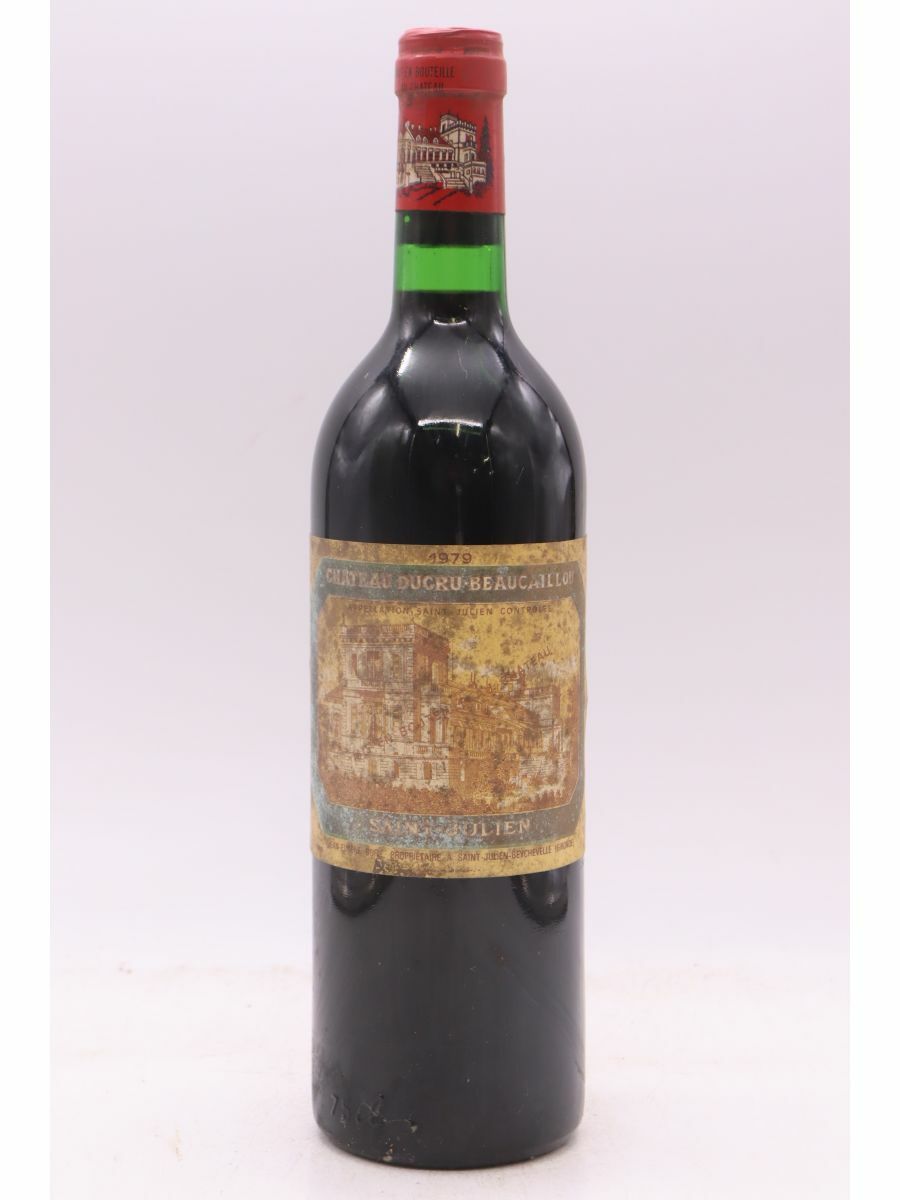
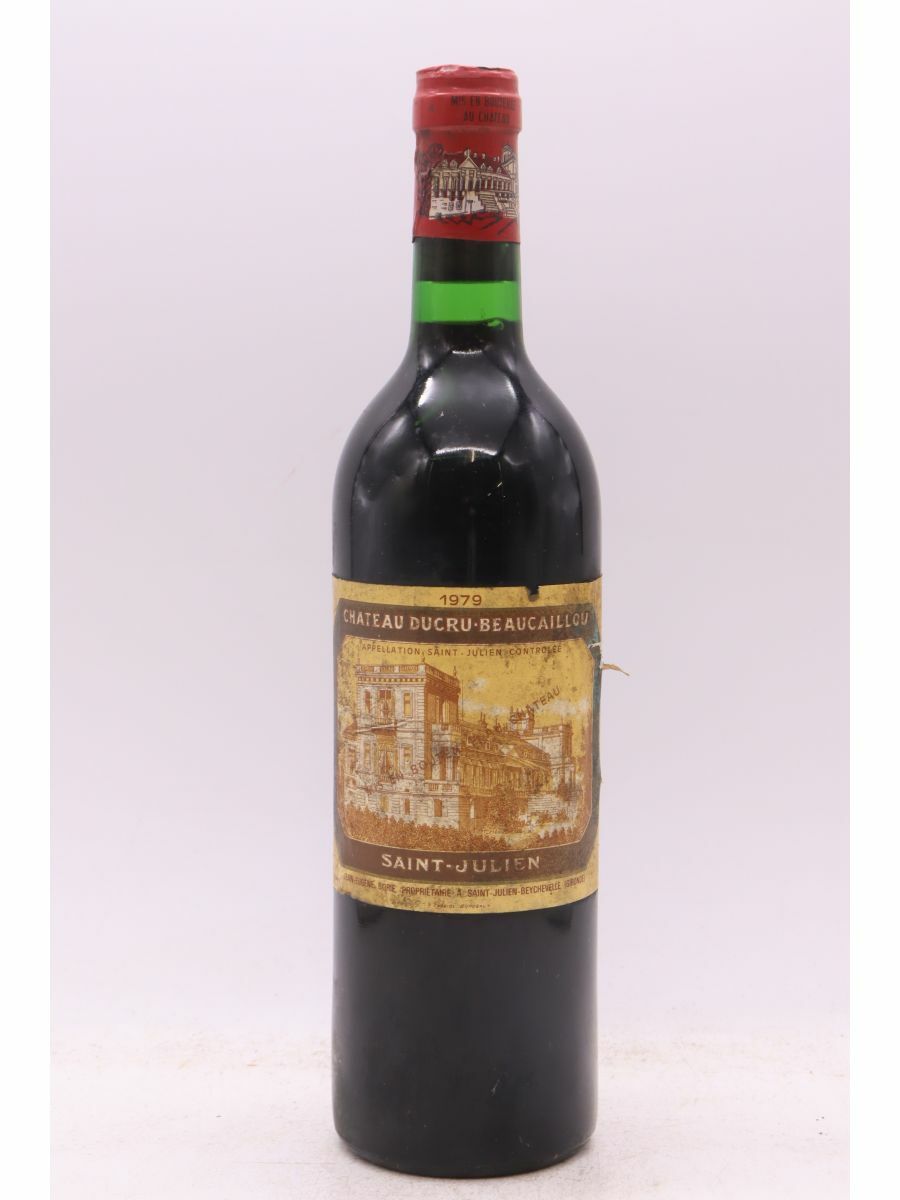
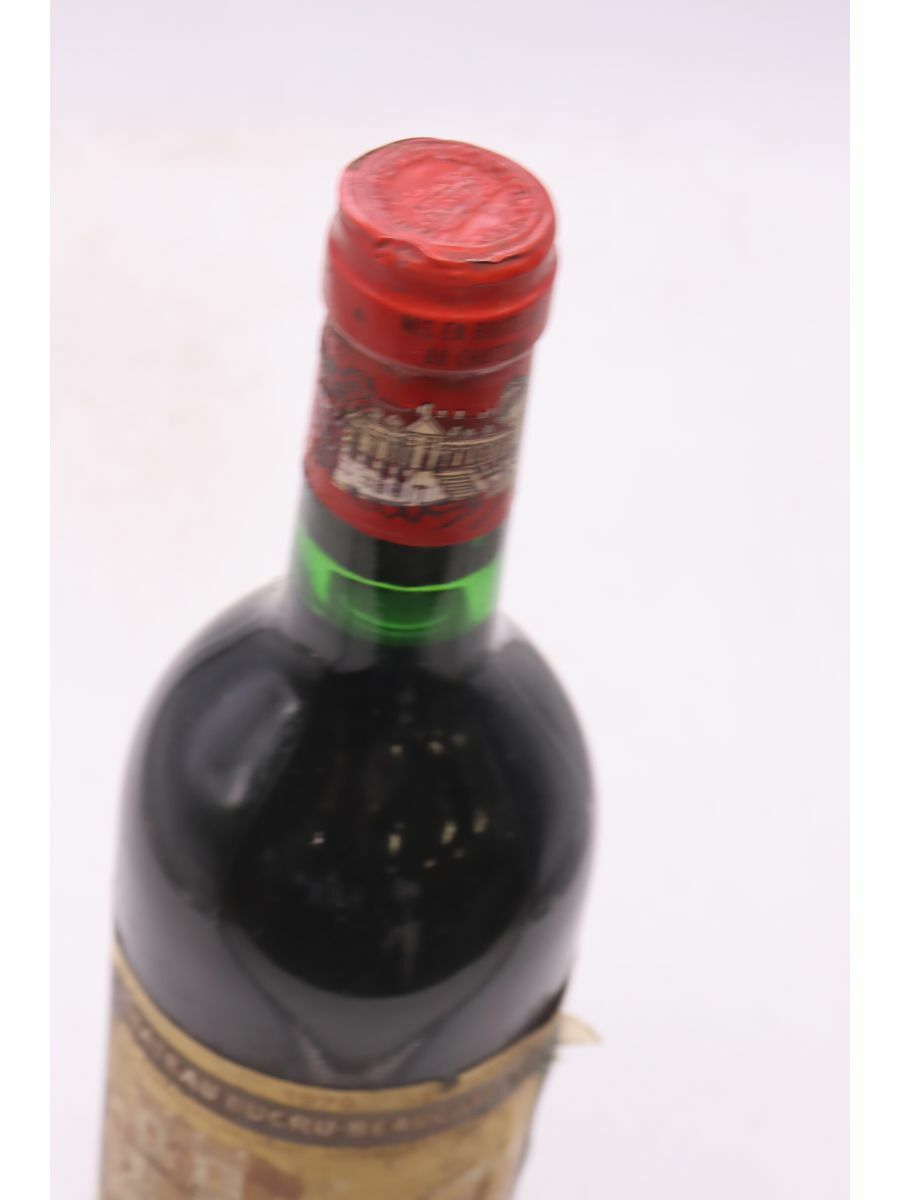
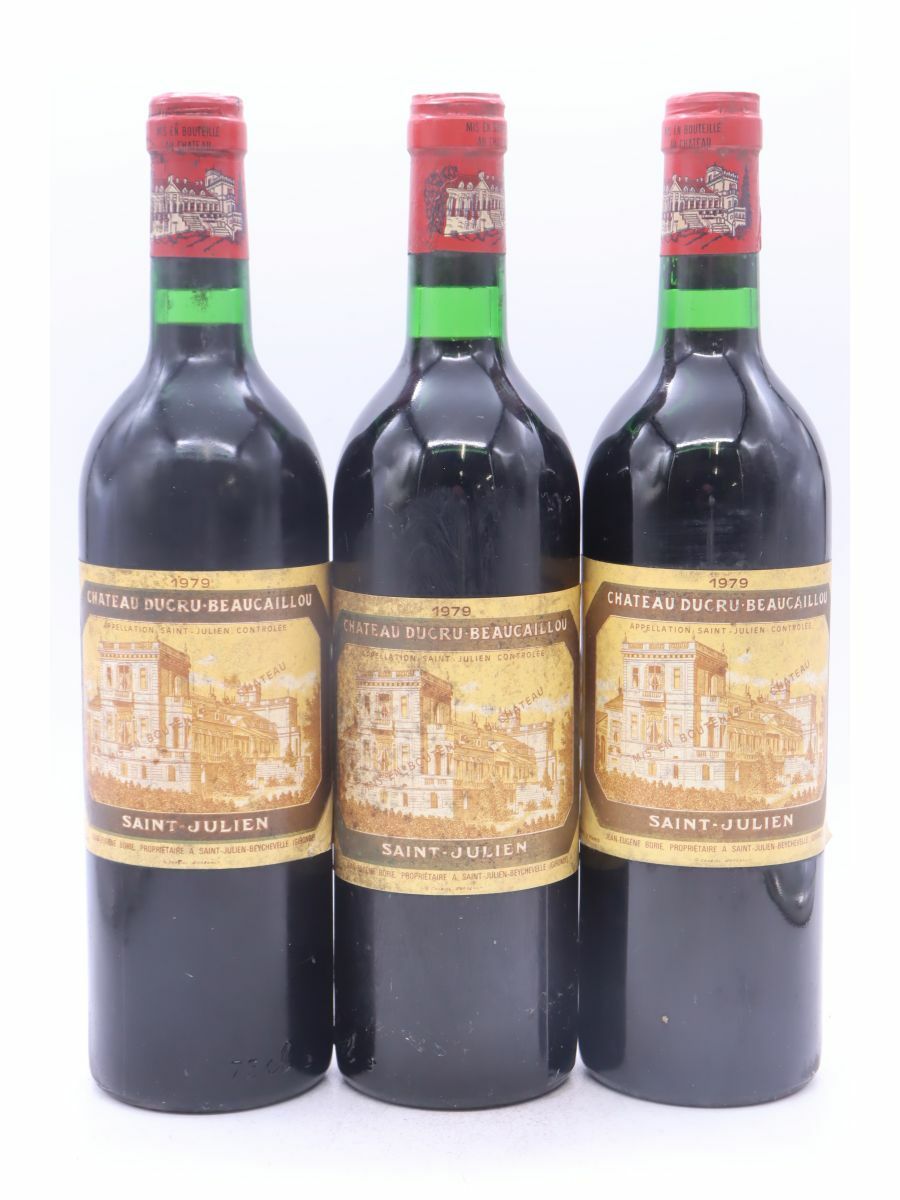
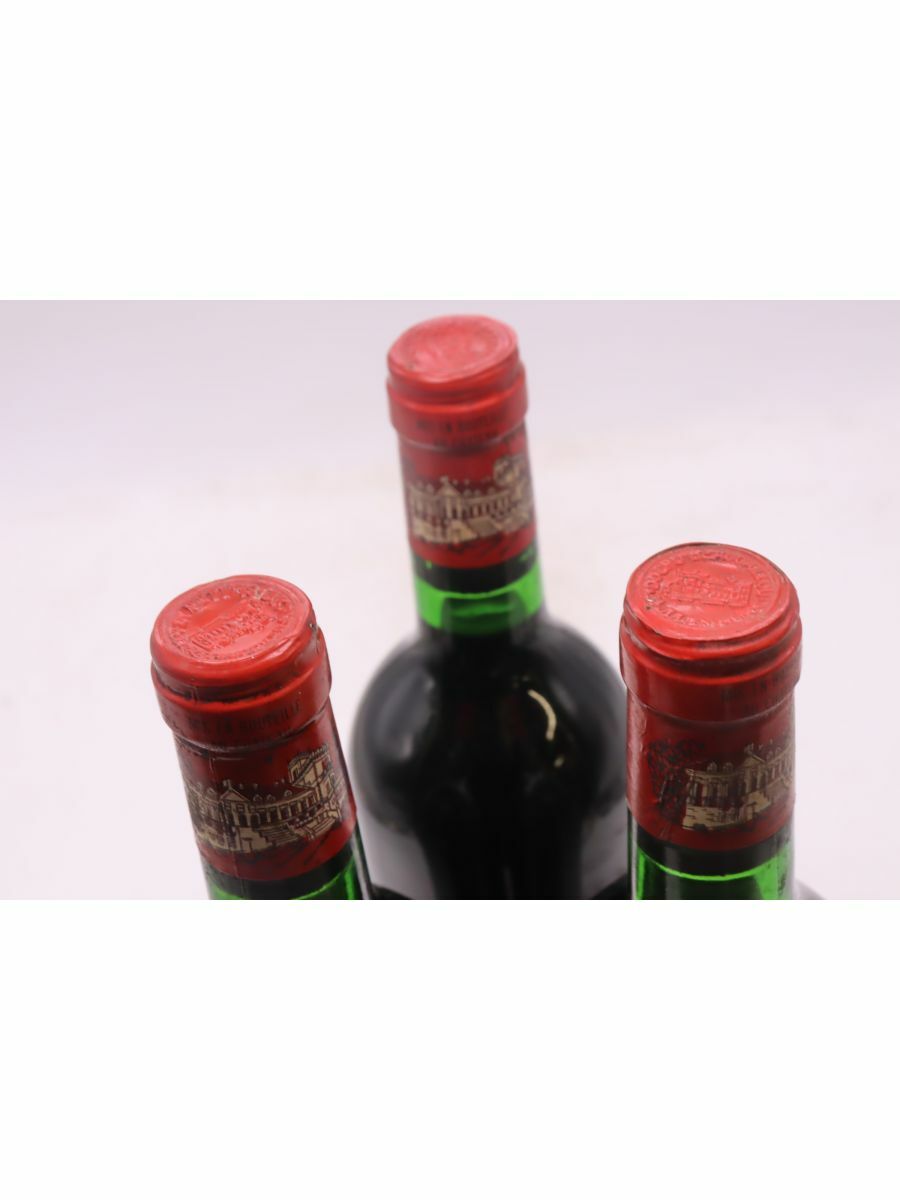
🏰 The 1979 Bordeaux vintage was generally not considered great, marked by tricky weather conditions including a wet and cold winter and spring, followed by a summer with little rain and low temperatures. This resulted in a large crop, but the wines often lacked concentration and fruit. While most 1979 Bordeaux wines are well past their peak and were best consumed young, some of the very best examples from top estates, particularly from Graves and Pomerol, may still be drinking well today, albeit rarely. 【A testament to longevity, a rare surviving example from a challenging vintage.】
Serving Advice for this Aged Wine: This 1979 vintage is a true relic, and handling it requires utmost care. Expect the cork to be fragile; a Durand opener or an Ah-So is highly recommended to prevent breakage. Decant gently to separate any sediment that has formed over the decades, but keep decanting time short (30-60 minutes) to preserve its delicate, evolved aromas. Serve slightly below room temperature, ideally between 16-18°C (60-64°F), to allow its subtle complexities to unfold without becoming overwhelmed by warmth. Approach with a sense of reverence for its history.
🍴 For such a venerable Bordeaux, classic pairings are best: roasted lamb, beef Wellington, or rich mushroom dishes. Aged hard cheeses like Comté or mature Cheddar can also be a delightful match.
🥂 This wine is a rare treat, best reserved for an intimate gathering of true connoisseurs or a very significant personal milestone, where its historical significance and delicate, aged character can be fully appreciated.
BACKGROUND
Château Ducru-Beaucaillou is a property in the Saint-Julien appellation of the Médoc, rated a second growth in the 1855 Bordeaux Classification. The 75-hectare (185-acre) vineyard is situated in the southeast of the appellation, near the village of Beychevelle and bordering Branaire-Ducru. It is near the river, which gives protection from frost and hail, and on the deepest gravel layers there is enhanced drainage, evening warmth, and a protective layer stopping the subsoil from drying out in heat waves. Alluvial deposits and a high clay content enrich the soil, and the vineyard takes its name from these "beautiful stones". It is planted 70 percent to Cabernet Sauvignon and 30 percent to Merlot.