Welcome!Thank you for visiting! We look forward to seeing you.Welcome!Email is used by othersPlease enter user emailpassword reset link is sent to your email , the link will be expired in 30 mins
🏰 The 1973 Dom Ruinart Blanc de Blancs Brut is a 【spectacularly good vintage for Champagne】, known for its elegance and delicacy. The growing season saw a benign spring and a hot, dry summer, leading to a large harvest of high-quality grapes, despite some challenges with rot for Chardonnay. This fully resolved, mature Champagne offers a soft, creamy texture with captivating aromas of honey, roasted nuts, and licorice. Some bottles may even show an incredibly youthful character with fresh citrus, lemon tart, and mousse, gaining weight and power in the glass.
🍴 This aged Blanc de Blancs pairs beautifully with refined dishes. Think shellfish, crab, lobster, or delicate fish preparations. Its complexity also makes it a wonderful companion to a variety of seafood dishes.
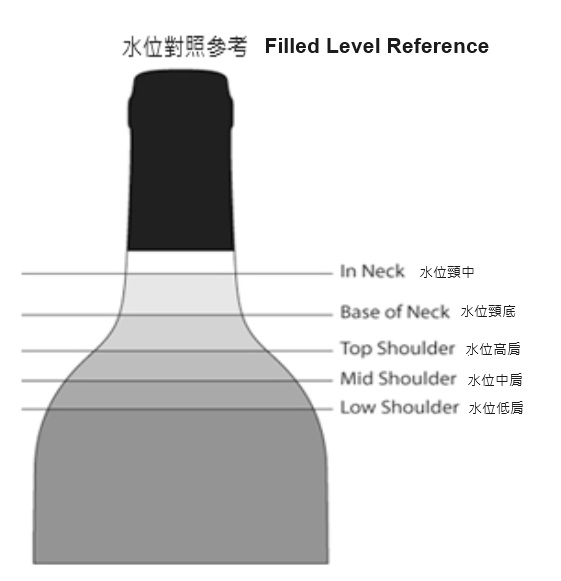
🥂 An extraordinary choice for a landmark anniversary or a truly special celebration, offering a rare glimpse into Champagne's past. This is a wine for contemplation and appreciation of its historical journey. Given its age, expect potential variations in cork and capsule condition. Serve at a slightly warmer temperature than young Champagne, around 10-12°C (50-54°F), in a tulip-shaped glass to allow its complex, evolved aromatics to fully express themselves. Decanting is generally not recommended for old Champagne unless there's significant sediment, which is rare for sparkling wine.
BACKGROUND
Champagne Ruinart was one of the first Champagne houses, established in 1729. It takes its name from the Benedictine monk Dom Ruinart, whose writings on Champagne were passed down through his family and resulted in the Maison Ruinart we know today.Dom Ruinart was born in Champagne in 1657, and died in 1709. He moved from his home to an abbey just outside of Paris, where he began to learn about the "wine with bubbles", which was very popular among the young aristocrats of the time. He believed it could be made best on the soils of his hometown. Upon his death in 1709, he left many books containing his writings on this to his nephew Nicolas Ruinart and, 20 years later, Maison Ruinart was founded.
 Last One