Welcome!Thank you for visiting! We look forward to seeing you.Welcome!Email is used by othersPlease enter user emailpassword reset link is sent to your email , the link will be expired in 30 mins
🏰 The 1995 Chateau de Fieuzal Blanc is a 【highly successful and energetic effort from this vintage, showcasing remarkable longevity for a white Bordeaux】. This mature white wine, a blend of Sauvignon Blanc and Semillon, offers a classic nose of herbs, citrus, and smoke, with woody flavors and good concentration. On the palate, it's succulent with crisp lime, lanolin, and a gentle smokiness that intensifies in the glass, leading to a good glycerin level and a reasonably long finish. Despite its age, it remains vibrant, with notes of orange, coffee, toasted nuts, beeswax, and good acidity.
🍴 This aged white Bordeaux pairs beautifully with a range of dishes. Consider it with rich seafood, roasted poultry, creamy pasta dishes, or even subtly spiced Asian cuisine. Its smoky and citrusy notes would also complement goat cheese or mature hard cheeses.
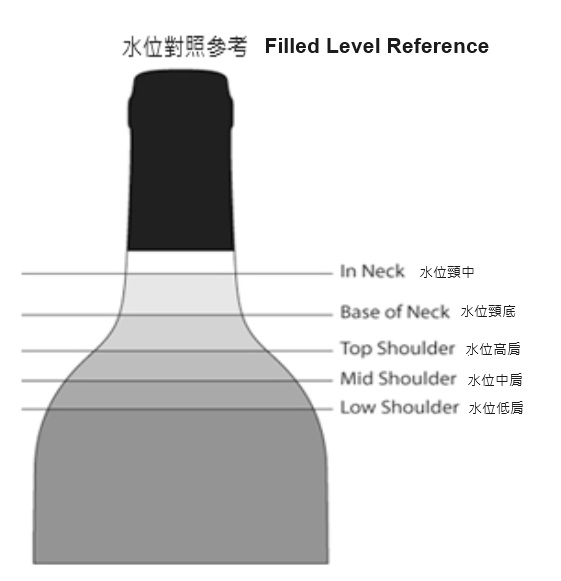
🥂 This 1995 vintage is in a good place now and is definitely time to drink, offering a lovely aged white Bordeaux experience. It's perfect for a special anniversary or a gathering of wine connoisseurs who appreciate the evolution of mature white wines. When serving older wines, be mindful of the cork and capsule, as they can become fragile over time. Decanting may be beneficial to remove any sediment and allow the wine to open up, but do so carefully to preserve its delicate aromas. Serve well chilled.
BACKGROUND
Château de Fieuzal is located in the Pessac-Léognan appellation of Graves, Bordeaux, France. It was awarded Graves Grand Cru Classé status for its red wines in 1959 as part of the Graves classification. The estate vineyards are planted on soils of gravel, clay and sand encompassing around 75 hectares (185 acres) of land. Vineyards are planted to a mix of Cabernet Sauvignon, Cabernet Franc, Merlot, Petit Verdot, Sauvignon Blanc, Semillon and Muscadelle. Chateau de Fieuzal is named in honor of one of the earlier owners who managed the estate at the start of the nineteenth century. After the owners sold the estate it was broken up into two separate châteaux. It wasn't untill 1995 that the estates were reunified.