FEATURES
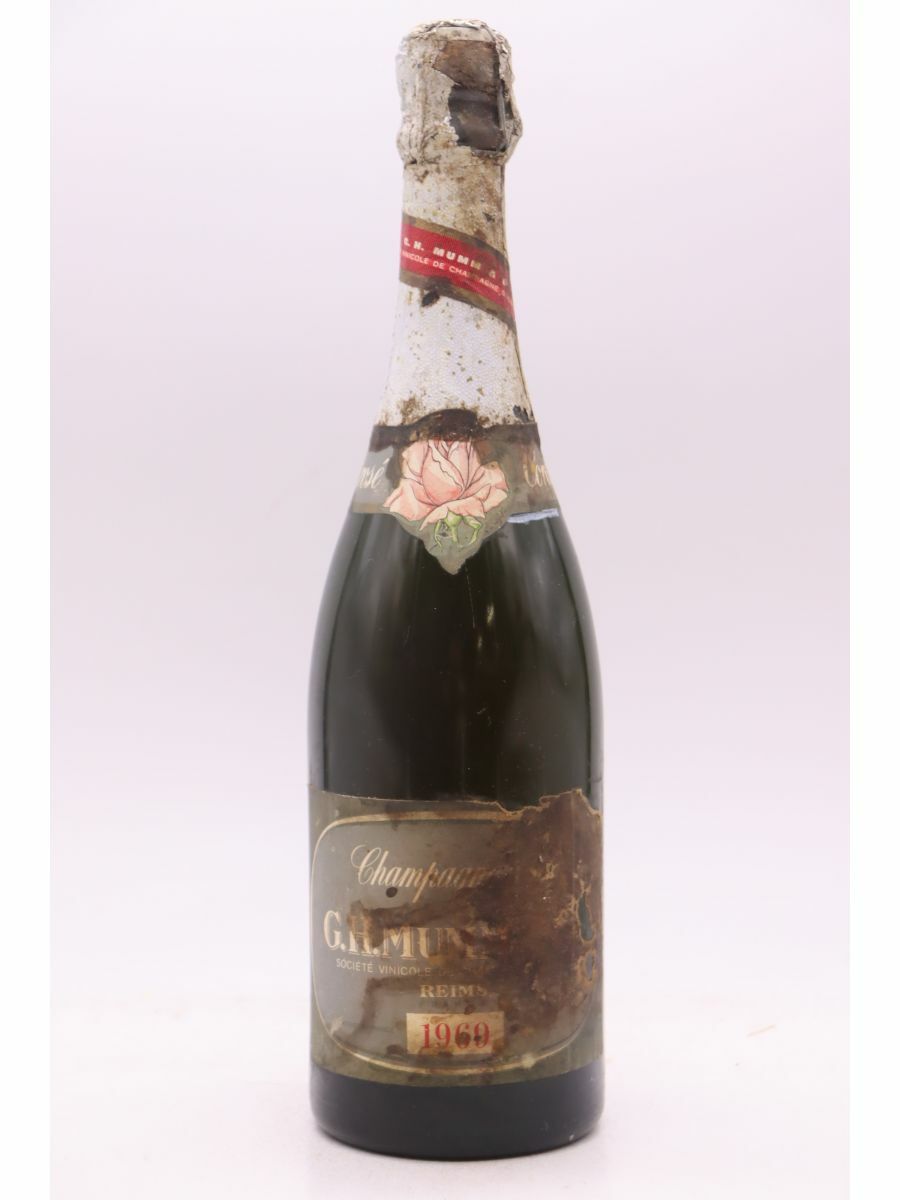
🏰 The 1969 Mumm Rosé is a truly historic vintage Champagne, a rare gem that offers a unique glimpse into the past. While specific vintage reports for Mumm Rosé 1969 are scarce, aged Champagnes from this era would have undergone significant evolution. Expect the primary fruit notes to have gracefully faded, replaced by a complex tapestry of tertiary aromas. The color would likely be a deeper, possibly amber-pink hue, reflecting its age. The mousse, while still present, might be less vigorous than in younger Champagnes, offering a softer, more delicate effervescence.
Upon tasting, anticipate a sophisticated profile dominated by notes of dried fruits, toasted brioche, nuts, coffee, caramel, and perhaps subtle hints of mushroom or forest floor, showcasing the profound complexity that only extended aging can impart.
🍴 This venerable Champagne Rosé, with its evolved character, pairs beautifully with richer, more contemplative dishes. Consider roasted poultry, delicate game birds, or earthy mushroom preparations. It can also be a magnificent accompaniment to aged hard cheeses or dishes featuring truffles. Given its extraordinary age, it is equally compelling when savored on its own as a profound, contemplative drink, allowing its intricate layers to unfold without distraction. For general Mumm Rosé pairings, it is known to complement sushi, grilled salmon, light appetizers like smoked salmon or shrimp cocktail, roasted chicken, pork tenderloin, creamy pastas, duck, and spicy Asian dishes.
🥂 This 1969 Mumm Rosé is an exceptional choice for a very special anniversary, a milestone birthday (celebrating 55 years in 2024), or a rare tasting event for connoisseurs of aged Champagne. It's a wine that embodies history and celebration.
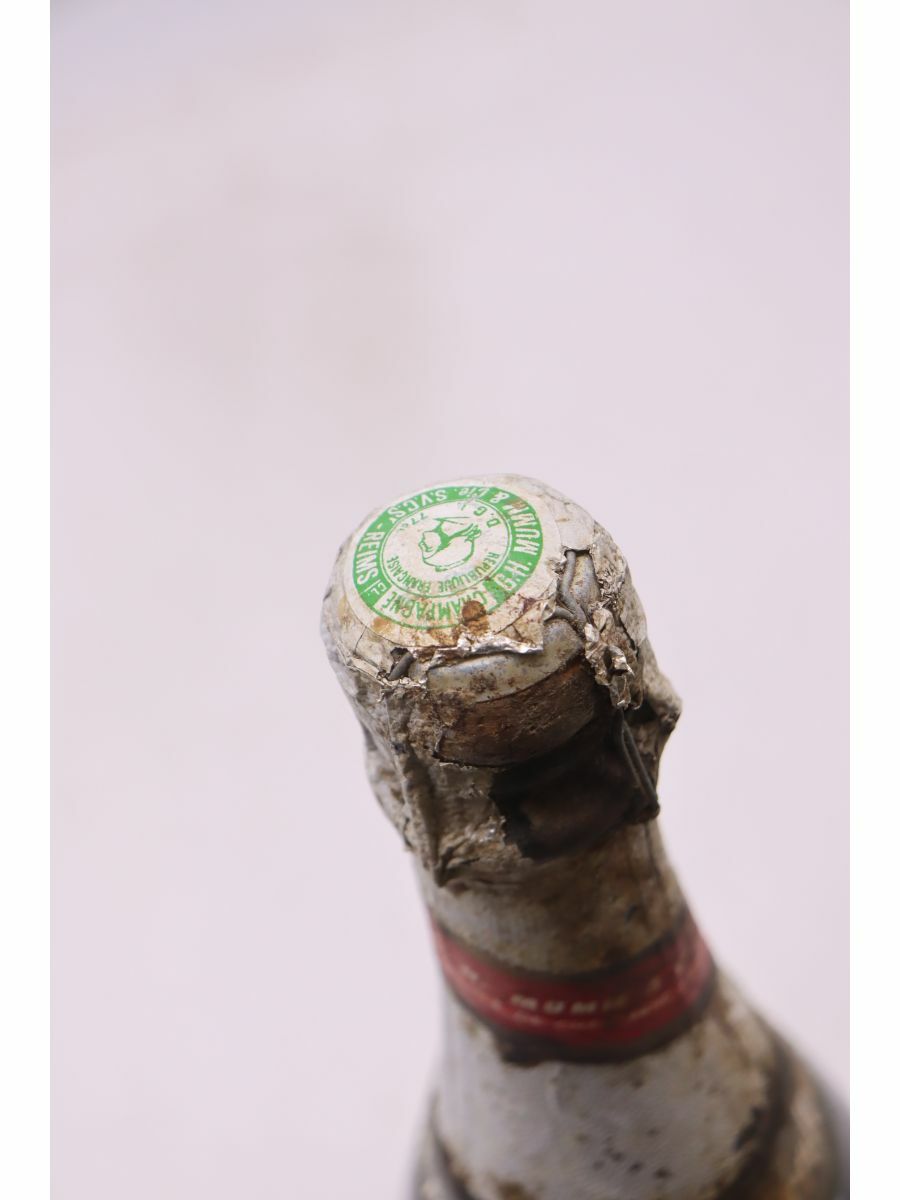
Serving Advice: This 1969 Mumm Rosé is a true relic, and handling it requires utmost care. The cork may be fragile, so use a Durand opener or a two-pronged cork puller. Have a fine-mesh strainer ready in case the cork crumbles. Decanting is generally not recommended for very old Champagne as it can dissipate the delicate aromas and effervescence too quickly. Instead, serve directly from the bottle, allowing it to breathe gently in the glass. Ensure the wine is well-chilled (around 8-10°C) but not overly cold, as this can mute its complex aged notes. Pour slowly to avoid disturbing any sediment, though Champagne typically has less sediment than still wines. Observe the color and aroma as it opens in the glass. 【 A rare and historic vintage Champagne Rosé, offering a unique glimpse into the past 】