FEATURES
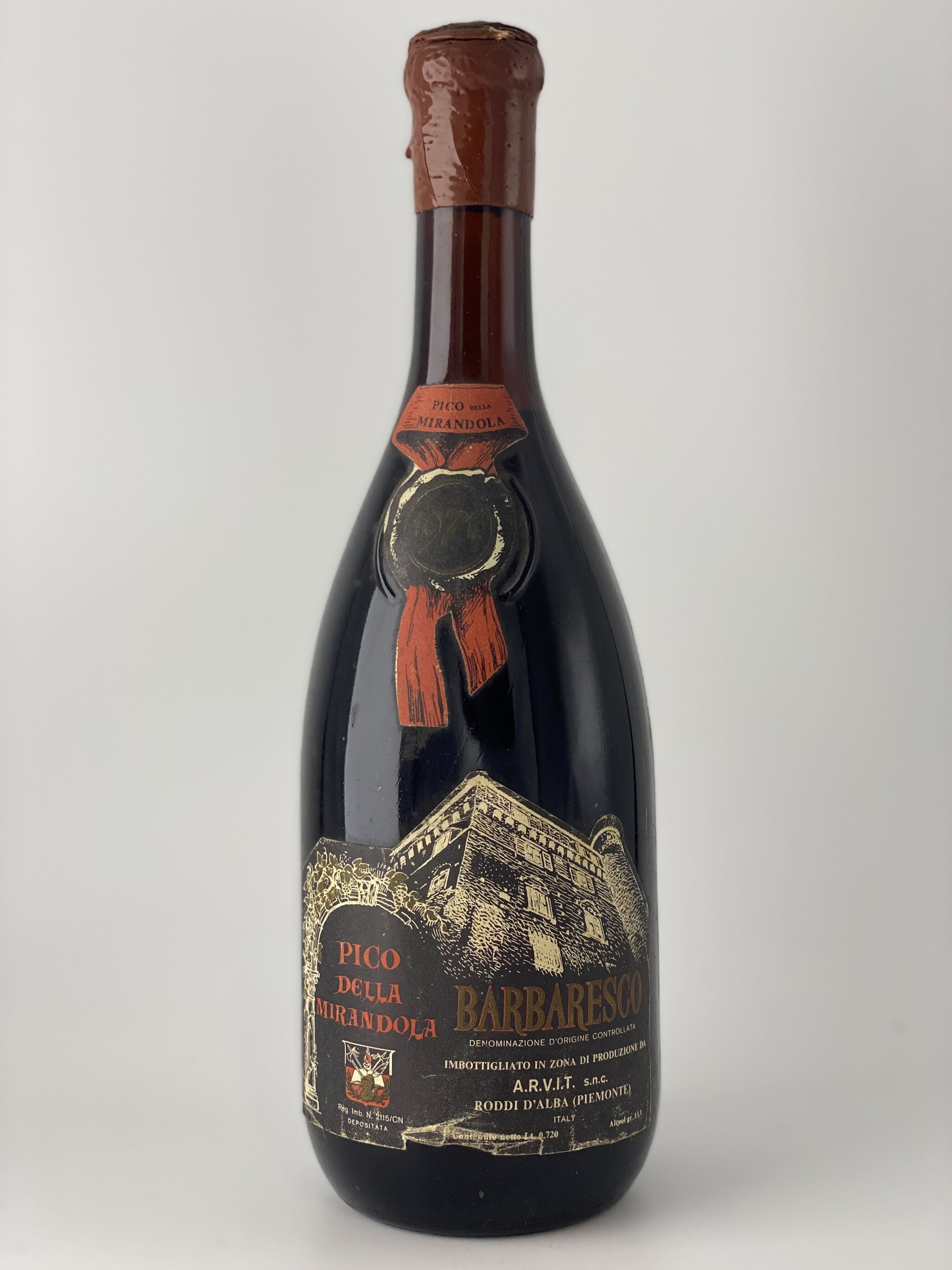
🏰 The 1971 vintage in Piedmont was "excellent," despite a freezing cold winter and severe hail in spring that cut yields for Barbaresco. An excellent, hot, dry summer followed, pushing grapes towards phenolic ripeness, with idyllic conditions continuing into autumn. The resulting crop was exceptionally small but highly concentrated, producing wonderful wines capable of great cellaring. The 1971 is often cited as a benchmark vintage for Barbaresco, possessing the backbone and complexity to last half a century. For a Gaja Barbaresco 1971, tasting notes describe an explosion of complexity on the nose: faded roses, noble tar (the famous "tar and roses"), white truffle, sweet spices, and undergrowth. On the palate, the wine surprises with its vigor, silky tannins, and acidity that provides endless freshness and length—the signature of the greatest Nebbiolos. 【 This 1971 Barbaresco represents an "excellent" vintage, producing concentrated wines with great cellaring potential and a timeless sensory experience. 】
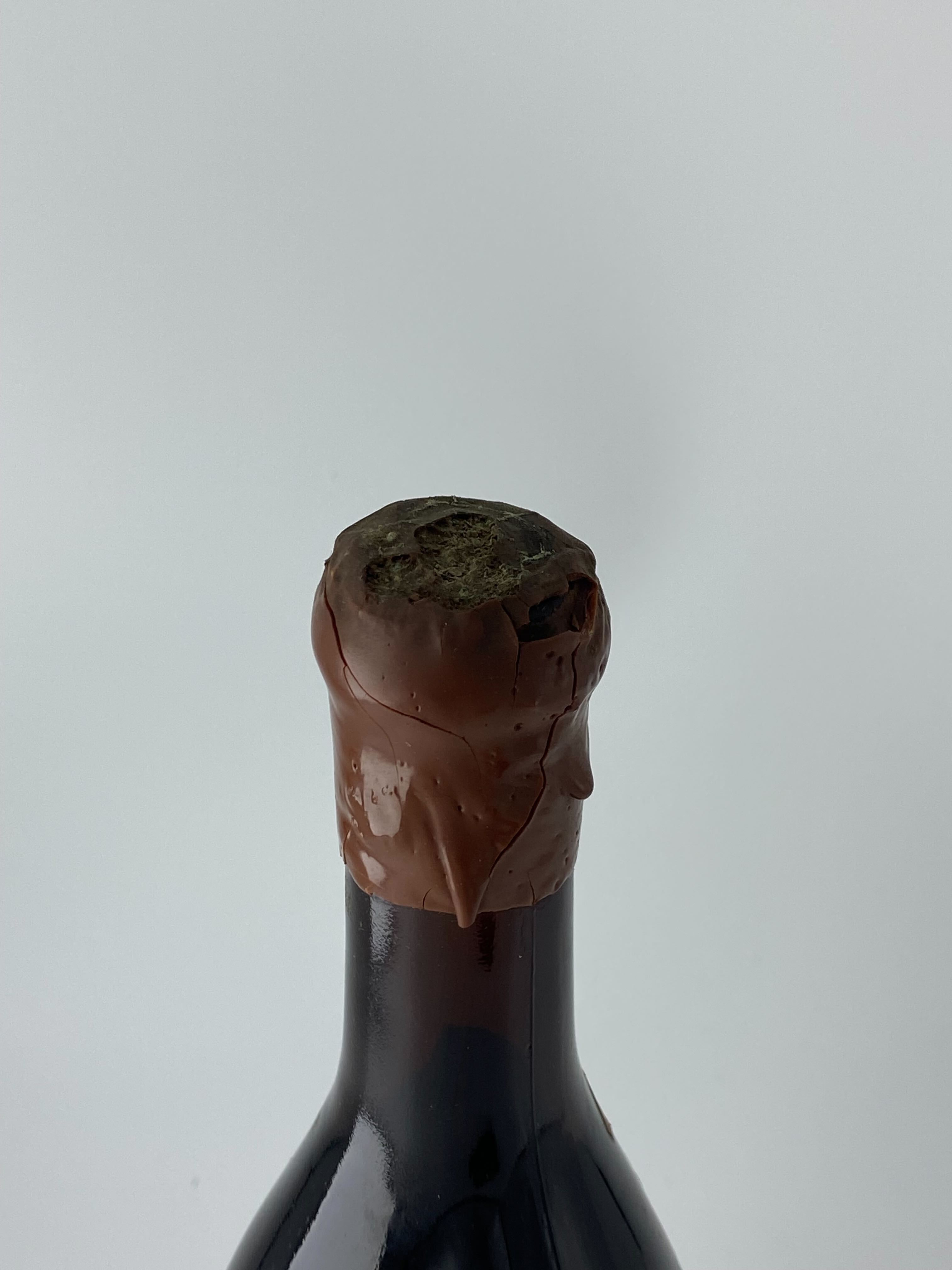
🥂 For wines of this venerable age, approaching them with care is paramount. The cork may be fragile, so a Durand or an Ah-So opener is highly recommended to prevent breakage. The capsule might also be delicate. Stand the bottle upright for several days before serving to allow any sediment to settle. Decanting is generally not recommended for such old wines, as it can expose them to too much oxygen too quickly, causing them to fade. Instead, a "slow" opening—uncorking 2 to 3 hours before serving—will allow the wine to open gently without risking brutal oxidation. Serve at around 18°C (64°F).
🍴 This Barbaresco, with its complex aromas and vigorous palate, is a magnificent partner for rich, earthy dishes. A white truffle risotto from Alba would be an iconic pairing. Game birds like pheasant or partridge with wild berries, or aged cheeses such as an old Castelmagno, would also be superb. It can also be enjoyed alone, for the pure pleasure of tasting the history of Italian wine.