FEATURES
🏰 The 1965 vintage in Bordeaux was generally considered a challenging year, marked by difficult weather conditions that often resulted in lighter, less concentrated wines compared to more celebrated vintages. However, a First Growth estate like Château Lafite Rothschild often transcends vintage challenges due to its exceptional terroir and meticulous winemaking. While specific detailed tasting notes for the 1965 Lafite are not readily available in the provided search results, wines from this era and caliber, when well-preserved, can still offer a fascinating glimpse into the past. Expect a very old wine style, likely showing significant tertiary aromas of forest floor, dried leaves, leather, and tobacco, with faded red fruit notes. The structure would be delicate, with softened tannins and a gentle acidity. It's a wine that speaks more of history and rarity than of vibrant fruit. 【 A rare historical vintage from a First Growth estate 】
🥂 This 1965 Château Lafite Rothschild is a true collector's item, best suited for a highly intimate and reflective occasion, perhaps a significant anniversary or a gathering of dedicated wine historians. It's a testament to the longevity of fine Bordeaux, offering a unique historical experience rather than a powerful drinking one.
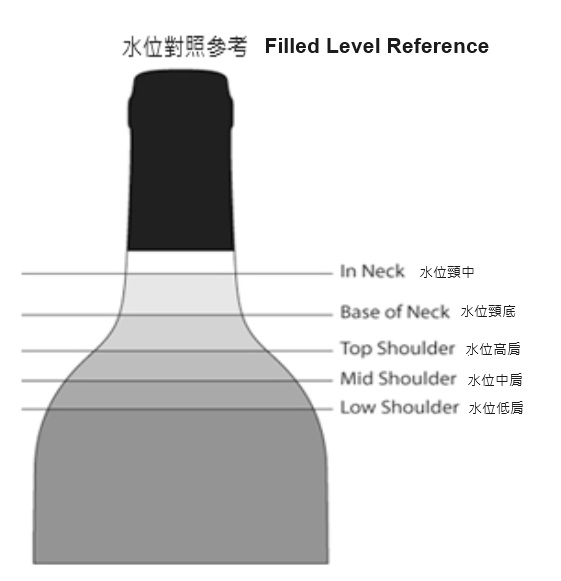
Serving Advice: Extreme care is paramount when handling such an old bottle. The cork will almost certainly be fragile; a two-pronged Ah-So opener or a Durand is essential. Stand the bottle upright for at least a week, preferably longer, to allow any sediment to settle. Decanting should be approached with caution. If the wine is clear, a very gentle decant just before serving to remove sediment is sufficient. If it appears cloudy or very fragile, it might be best to serve directly from the bottle, pouring slowly and carefully. Serve at a cool cellar temperature, around 16-18°C (60-64°F), to preserve its delicate nuances.
🍴 Given its age and likely delicate nature, this wine would pair best with very simple, elegant dishes that won't overpower its subtle complexities. Think roasted squab or guinea fowl, a delicate mushroom consommé, or very mild, aged hard cheeses. Avoid strong sauces or heavily spiced foods.