FEATURES
🏰news | features + short tasting note
【One of the world's most sought-after and expensive wines, from a historic Grand Cru vineyard with monastic origins dating back to the 13th century, once owned by the Prince of Conti, representing a rare piece of heritage.】 The 1956 vintage in 布根地 was tragically poor, marked by extreme cold (temperatures down to -30°C in February), which severely damaged vines and resulted in very low yields. The spring was wet and cold, and the summer continued this theme, with a warm September unable to salvage the vintage. Wines from this year were often described as lean, light, thin, and lacking real character, with the annual Hospices de Beaune auction being cancelled. However, some wines from this challenging year display a rare typicity: straight, tight, almost ascetic reds, telling a story of resilience and the inherent dignity of 布根地 terroir even in adversity. While specific tasting notes for the 1956 Romanée-Conti are unavailable, expect a wine of immense delicacy and ethereal character, rather than power or fruit intensity. It would likely offer pronounced tertiary aromas of dried fruit, forest floor, subtle spice, and a very ethereal structure, a testament to its remarkable survival.
🍴 Chinese Cantonese food pairing various types of suggestion east or west corresponding to wine cost IN ENGLISH
This extremely rare and delicate wine demands dishes prepared with utmost respect and subtlety. Consider slow-roasted pigeon, tender lamb loin with rosemary oil, salt-baked beetroot with hazelnut brown butter, or a morel-and-truffle fricassée with delicate semolina gnocchi and aged Comté. Lighter versions of iconic 布根地 dishes or simple preparations of wild mushrooms and truffles would also be sublime.
🥂 fit for event suggestion IN ENGLISH
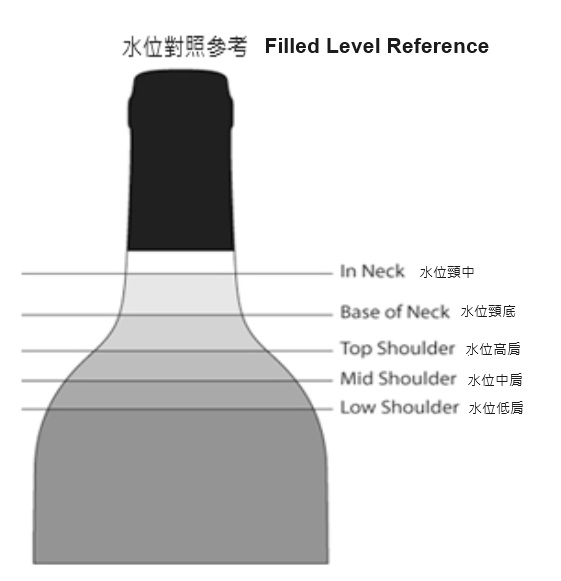
This is a once-in-a-lifetime experience for a true connoisseur, a profound celebration of history and resilience, or a moment of quiet contemplation. This 1956 Romanée-Conti is an extremely rare and fragile piece of wine history. Given the challenging vintage, its survival to this age is a marvel in itself. The cork and capsule will be very old and require expert handling. Decanting should be done with extreme care, potentially just before serving, to remove any sediment while minimizing exposure to air. Serve at a cool cellar temperature, around 13-15°C (55-59°F), to preserve its delicate aromas. This is a wine to be approached with reverence and appreciation for its journey through time.