FEATURES
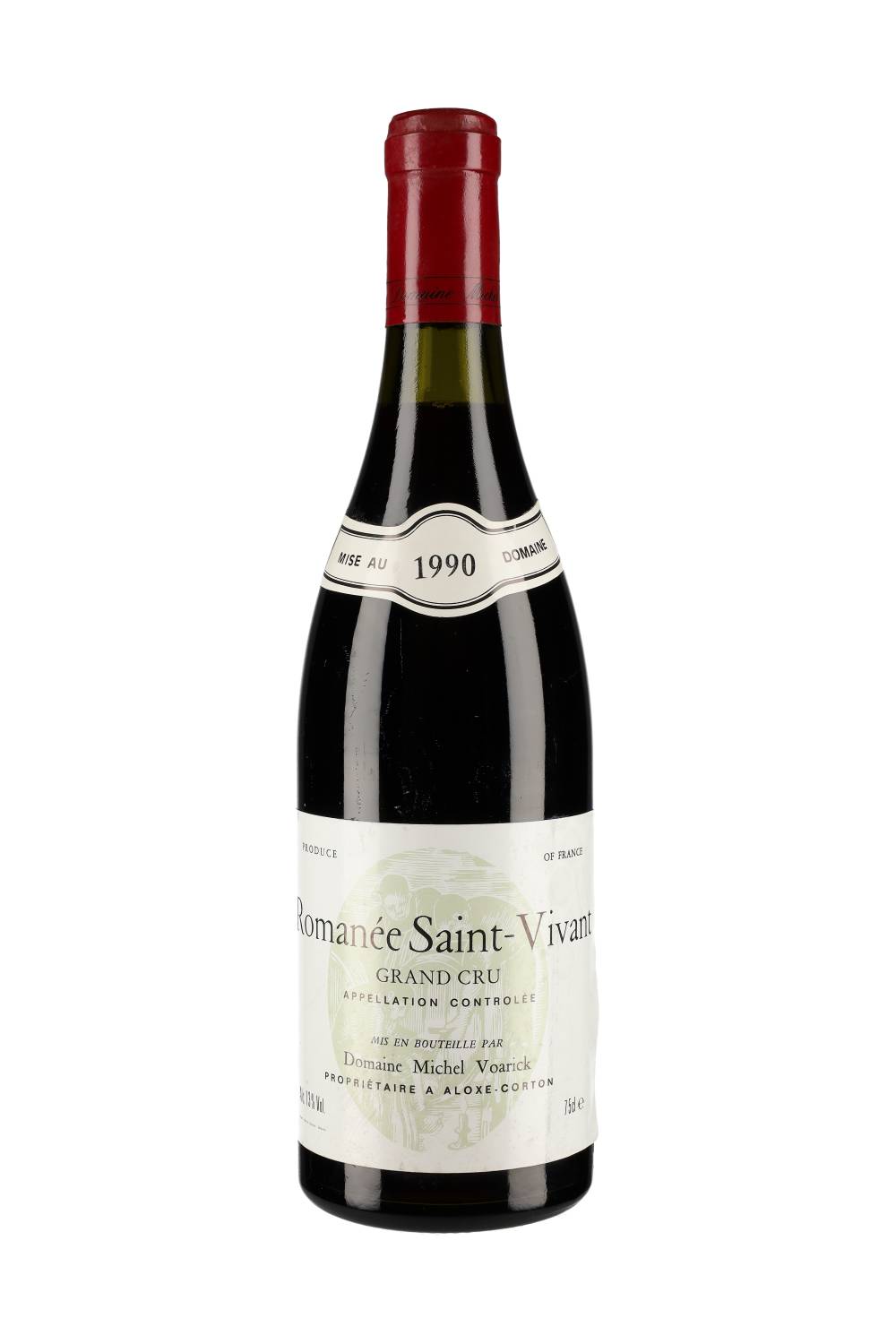
🏰 The 1990 Burgundy vintage was a standout year, widely regarded as one of the finest for reds between 1978 and 1999. It was blessed with a hot, dry summer, followed by beneficial rains in late August and September, leading to a large harvest of small, concentrated berries. The resulting red wines were beautifully balanced with deep, rich fruit, good tannins, and weight, celebrated for their intensity and structure. Many top Burgundy reds from 1990 are still drinking superbly today. Romanée-Saint-Vivant Grand Cru is one of Burgundy's most prestigious Grand Cru vineyards, known for producing wines of profound complexity and exceptional aging potential. 【 From a legendary Grand Cru vineyard in a stellar vintage, offering profound complexity and exceptional aging potential 】
While specific tasting notes for Michel Voarick's 1990 are scarce, general characteristics for Romanée-Saint-Vivant from this vintage include a lavish bouquet of black cherry, blackberry, sous bois, dark spice, and a touch of game. The palate is typically ample and full-bodied with fine, melted tannins, juicy, vibrant fruit, and a long, penetrating finish. Other descriptions mention raspberries, beetroot, cola, duck, woodsmoke, forest floor, smoky new wood, Vosne spice, earth, and secondary nuances. Some tasters have also found floral perfumed notes and red berry, wild strawberry, and red currant aromas, leading to a concentrated and vibrant palate.
🍴 This magnificent Grand Cru Burgundy is an ideal pairing for roasted game birds, truffle-infused dishes, aged beef, and rich mushroom-based preparations. Its complexity demands equally refined cuisine.
🥂 The 1990 red Burgundies are fully developed and delicious to drink, with the best of them expected to hold for at least 10-20 more years. This makes the Romanée-Saint-Vivant Grand Cru 1990 a wine for a truly momentous occasion, a connoisseur's dream to be savored and appreciated for its evolved grandeur.
Serving Advice: For a Grand Cru of this age, extreme care is paramount. The cork will likely be very fragile; use a specialized opener like a Durand. Decant very carefully to separate any sediment, but do so just before serving to preserve its delicate, evolved aromatics. Serve at cellar temperature, 16-18°C (60-64°F), in large, fine Burgundy glasses to allow its complex bouquet to unfold. Be prepared for the possibility of bottle variation and a more ethereal, tertiary profile.