FEATURES
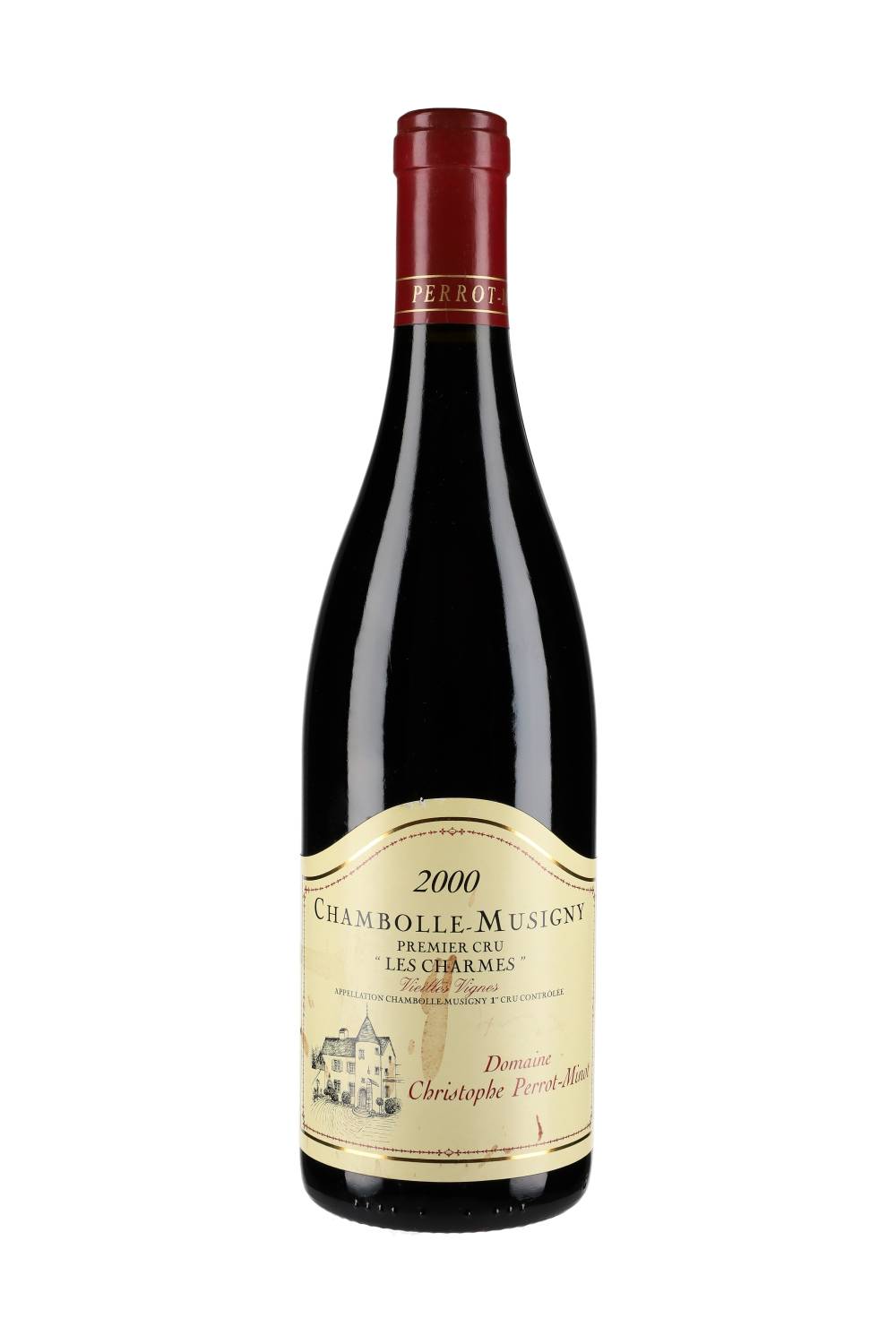
🏰 The 2000 vintage in Burgundy was generally considered very good, producing wines with bright, fresh fruit and good structure, especially in the Côte de Nuits. While some reds were best for early drinking, the best examples, particularly from top producers like Perrot-Minot and prestigious 1er Cru sites like Chambolle-Musigny Les Charmes, have shown excellent aging potential. 【 Elegance and Finesse 】
Perrot-Minot's Chambolle-Musigny Les Charmes Vieilles Vignes 1er Cru 2000 would likely be displaying a beautiful evolution, offering a captivating bouquet of red berries, floral notes (like rose petals), and subtle earthy or spicy undertones. On the palate, expect a wine of remarkable elegance and finesse, with silky tannins, a vibrant acidity, and a long, harmonious finish. The 'Vieilles Vignes' (old vines) designation often contributes to greater concentration and complexity.
🍴 This elegant Chambolle-Musigny pairs wonderfully with delicate yet flavorful dishes. Consider roasted poultry (like duck or pheasant), pan-seared veal, or even a mushroom-based risotto. It also complements mild, creamy cheeses beautifully. Avoid overly heavy or spicy dishes that could overwhelm its subtle charm.
🥂 This wine is perfect for a sophisticated dinner party, a romantic anniversary celebration, or a special gathering where a refined and expressive Burgundy is desired. It's a wine to be savored and appreciated for its nuanced beauty and mature character.
BACKGROUND
Domaine Perrot Minot is headquartered in Morey-Saint-Denis in the Côte de Nuits region, north of Burgundy's Côte d'Or. Red wine is mainly made from Pinot Noir. The history of the winery can be traced back to the "Domaine Merme-Morizot" at the end of the 19th century. In 1993, it was taken over by Christophe Perrot-Minot, who acquired Domaine Pernin-Rossin and its assets in 2000. In 1999, the domaine also began a négociant business, producing wine from fruit from its partner vineyards, including several Grand Cru vineyards in Gevrey-Chambertin. The winery produces wine from seven Grand Cru vineyards, the most famous of which is Chambertin, as well as a series of First Growth vineyards. Yields are strictly limited and green harvesting is done in specific plots, so some vines can only produce five bunches of grapes.