Welcome!Thank you for visiting! We look forward to seeing you.Welcome!Email is used by othersPlease enter user emailpassword reset link is sent to your email , the link will be expired in 30 mins
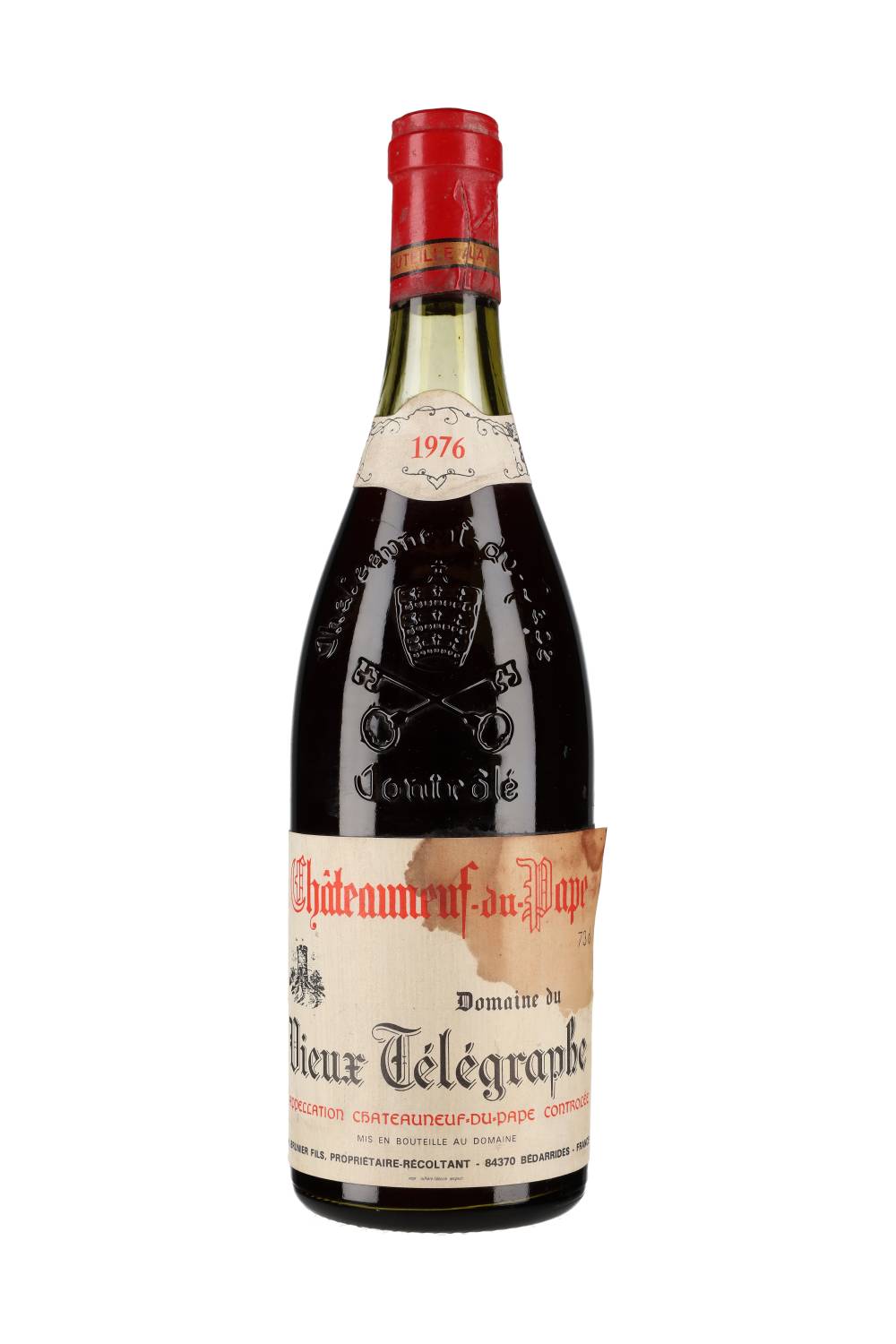
🏰A rare and historic 1976 Vieux Telegraphe Chateauneuf du Pape, this wine is a testament to the resilience of a challenging vintage, offering a captivating journey through time with its mature depth and complex aromas. While the 1976 Châteauneuf-du-Pape vintage was variable due to harvest rains, the Rhône region generally benefited from favorable conditions, producing rich, warm, and concentrated wines capable of graceful aging. Expect a captivatingly complex nose of dried fruits, leather, prune, blond tobacco, forest floor, and subtle Provençal garrigue spices. The palate is smooth and refined, with melted tannins and remarkable aromatic persistence, showcasing a balance between mature depth and lingering freshness.
🍴 This Châteauneuf-du-Pape is a superb match for classic meat dishes such as braised lamb shanks, Provençal beef daube, grilled rib-eye steak, or herb-crusted rack of lamb. It also pairs well with aged cheeses like Comté.
🥂 Ideal for a special occasion celebrating a significant past year, or for a dedicated collector looking to explore the nuances of a truly aged Rhône. It's a wine that invites contemplation and appreciation of history.
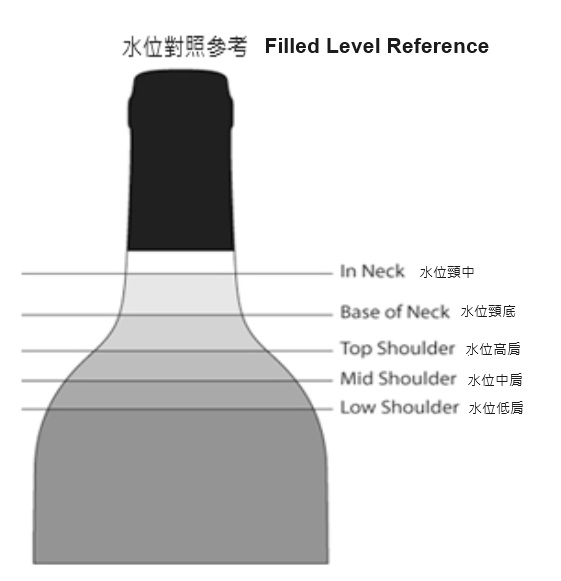
As a very old vintage, this wine requires delicate handling. Be prepared for a fragile cork and potential sediment. Decant carefully just before serving to remove any deposits, and allow it a short time to breathe. Serve at a cool cellar temperature (around 15.5°C) to best appreciate its aged complexity.
BACKGROUND
The old telegraph factory (Domaine du Vieux Telegraphe) is located in the Chateauneuf-du-Pape area of the southern Rhône region. Vieux Télégraphe has been owned by the Brunier family for over 100 years and is one of the most renowned producers in the region. Most of its vineyards are planted with red grape varieties, of which Grenache is the most important grape variety in the region, but a small proportion of white wine is also used to produce Chateauneuf-du-Pape white wine. The best fruit comes from the La Crau plateau, which is higher than many other vineyards in the region and famous for its pudding stone, which makes up 70% of the soil composition and can reach a depth of 5 meters (16 feet).