Welcome!Thank you for visiting! We look forward to seeing you.Welcome!Email is used by othersPlease enter user emailpassword reset link is sent to your email , the link will be expired in 30 mins
🏰【Despite being from a difficult vintage, the 1993 Tertre Roteboeuf stands out as one of the better wines of the year, offering surprising depth and balance with a deep plum/cherry color.】 This well-endowed 1993 Bordeaux reveals a deep garnet hue with purplish ruby highlights, reflecting remarkable concentration for the vintage. The nose opens with aromas of ripe black fruit—especially plum, black cherry, and blackcurrant—alongside earthy notes, mushroom, prune, and a touch of new oak. With aeration, it can evolve towards more complex nuances of dried fruit, exotic spices, grilled meat, and mocha. The palate shows excellent depth with moderate tannins, beautifully mellowed over time, offering sweet fruit on the attack and overall balance.
🍴 This mature Saint-Émilion is an ideal partner for classic beef and venison dishes, such as a slow-cooked beef cheek, roasted venison loin, or a rich mushroom and truffle pasta. For an Asian pairing, consider a Cantonese braised oxtail or a flavorful five-spice duck.
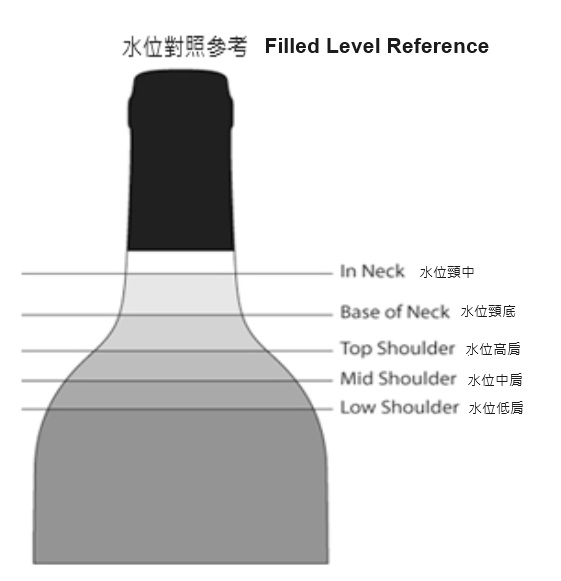
🥂 Perfect for a special occasion, a contemplative tasting, or for those who appreciate the charm of a well-aged Bordeaux from a challenging yet rewarding vintage. As a wine from 1993, expect a beautiful evolution of tertiary aromas, showcasing the elegance of an older vintage. It's always wise to check the cork and capsule carefully before opening to ensure the best experience.
BACKGROUND
Le Tertre-Rôteboeuf is a high-ranking Saint-Émilion Grand Cru Classé property. It makes a single wine from Merlot with a small amount of Cabernet Franc, which is known for being rich and intense in the best years.Around 2000 cases a year are produced from a tiny 6-hectare (14-acre) vineyard on a steep slope at the edge of Saint-Émilion's famous limestone plateau. The terroir is slightly cooler than most Saint-Émilion properties, and so the vines are trained closer to the ground. This climate means that Tertre-Rôteboeuf is usually one of the last in the region to finish picking, but this also contributes to the wine's richer style.