Welcome!Thank you for visiting! We look forward to seeing you.Welcome!Email is used by othersPlease enter user emailpassword reset link is sent to your email , the link will be expired in 30 mins
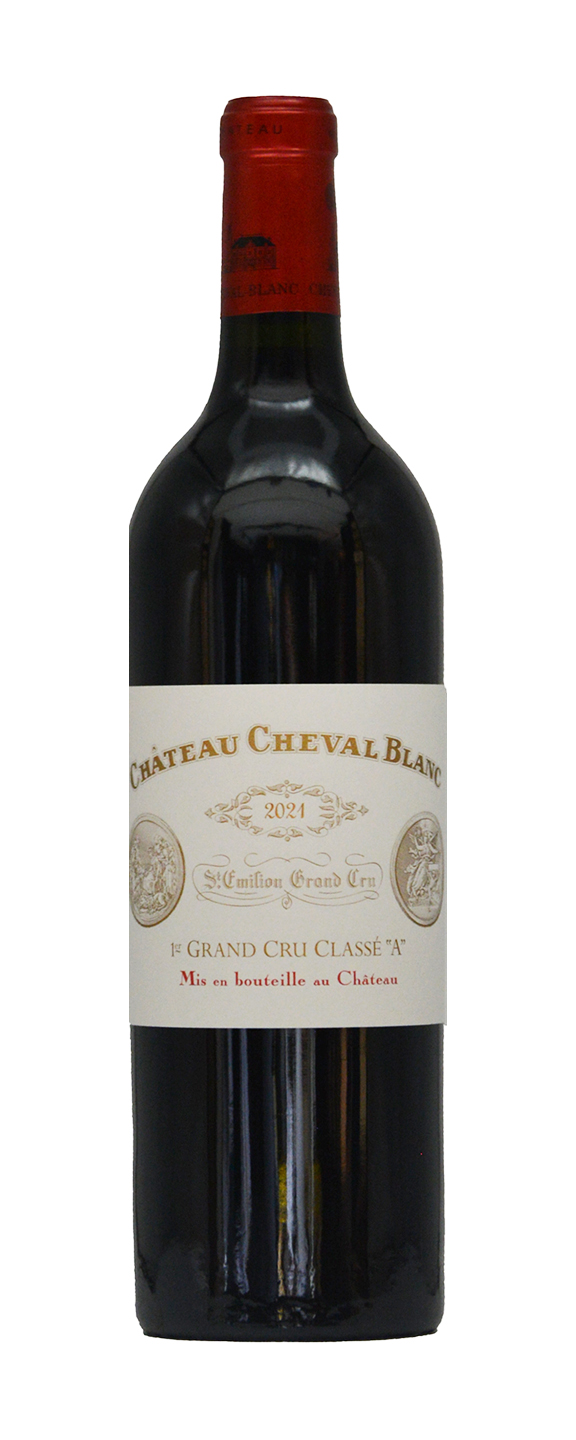
🏰 The 2021 Chateau Cheval Blanc is hailed as 【one of the wines of the vintage】, showcasing a remarkable blend with the highest percentage of Cabernet Franc since 2011, even outweighing Merlot for the first time. This vintage is praised for its finesse and structure, avoiding the pitfalls of a challenging year. On the nose, expect an incredible aromatic complexity with notes of red cherry, blackberry, violet, and subtle spice, evolving into bitter dark chocolate, cassis, plum, menthol, licorice, and mocha. The palate is medium-bodied and finely layered, with supple, polished tannins supporting fresh fruit and mineral tones, leading to a long, penetrating, rose-inflected finish.
🍴 This elegant Bordeaux red pairs beautifully with classic French cuisine. Think roasted lamb with herbs, pan-seared duck breast with a cherry reduction, or a rich beef tenderloin. For a more local touch, try it with Cantonese roasted goose or a slow-braised oxtail stew.
🥂 Perfect for a significant anniversary celebration, a high-stakes business dinner, or as a cornerstone addition to a serious wine collection. This wine is built for the long haul, promising decades of evolution and enjoyment.
 Last One