FEATURES
🏰 The 1971 vintage in 布根地 (Burgundy) was generally considered a good year, particularly for white wines, which were noted for their balance and longevity. Ramonet's Bienvenues-Bâtard-Montrachet Grand Cru from this exceptionally old vintage is a rare and precious find. This Grand Cru Chardonnay, from the heart of the Côte des Blancs, is renowned for its power and complexity. While specific tasting notes for a 1971 Ramonet are scarce, one can anticipate a wine that has evolved far beyond its primary fruit characteristics. Expect profound tertiary aromas of honey, toasted nuts, dried apricots, mushroom, and earthy notes, with a rich, complex palate that, if well-preserved, will still show remarkable depth and a lingering mineral finish. 【Ramonet's Bienvenues-Bâtard-Montrachet Grand Cru from 1971 represents an extreme rarity and a testament to the aging potential of exceptional white Burgundy】. This wine is a fragile beauty, a true relic that offers a glimpse into a bygone era of winemaking.
🍴 This extraordinarily aged white 布根地 (Burgundy) demands pairings that are equally refined and delicate, yet capable of standing up to its evolved complexity. Classic matches include foie gras, rich appetizers, or noble fish and white meats with cream sauces. Pan-fried scallops or grilled lobster would also be exquisite. For a truly unique East Asian pairing, consider a delicate steamed abalone or a refined bird's nest soup, where the wine's aged nuances can be appreciated without being overwhelmed.
🥂 This wine is reserved for an extremely rare and special occasion, perhaps a significant historical anniversary, an intimate connoisseur tasting, or a once-in-a-lifetime celebration. It's a wine to be approached with reverence and shared among those who truly appreciate its historical significance and delicate nature.
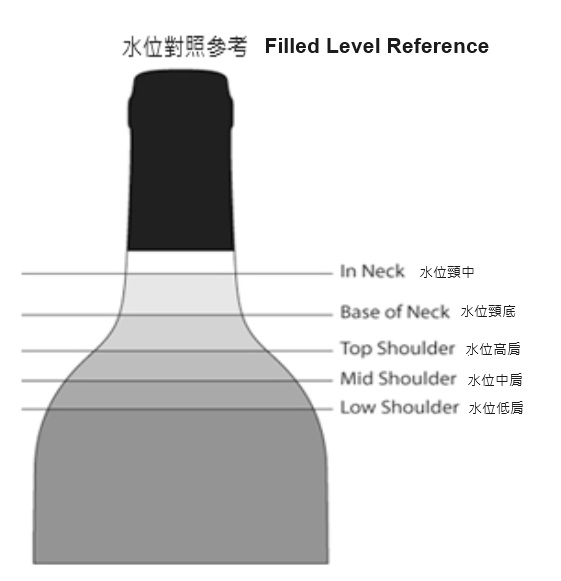
**Serving Advice for a 1971 Vintage:** This is an exceptionally old and fragile wine, requiring the utmost care. Stand the bottle upright for at least two weeks, preferably longer, to allow all sediment to settle completely. Use a professional two-pronged cork puller (like a Durand) or seek assistance from a sommelier, as the cork will be extremely delicate and prone to crumbling. Avoid decanting unless absolutely necessary to remove heavy sediment, and if you do, do so very gently and immediately before serving, as prolonged air exposure can cause very old wines to fade rapidly. Serve slightly chilled, around 12-14°C (54-57°F), to allow its complex aromas to unfold without being dulled by excessive cold. Have a backup bottle ready, as bottle variation can be significant with wines of this age. Appreciate the experience, regardless of the wine's condition, as it is a journey through time.
 Last One