Welcome!Thank you for visiting! We look forward to seeing you.Welcome!Email is used by othersPlease enter user emailpassword reset link is sent to your email , the link will be expired in 30 mins
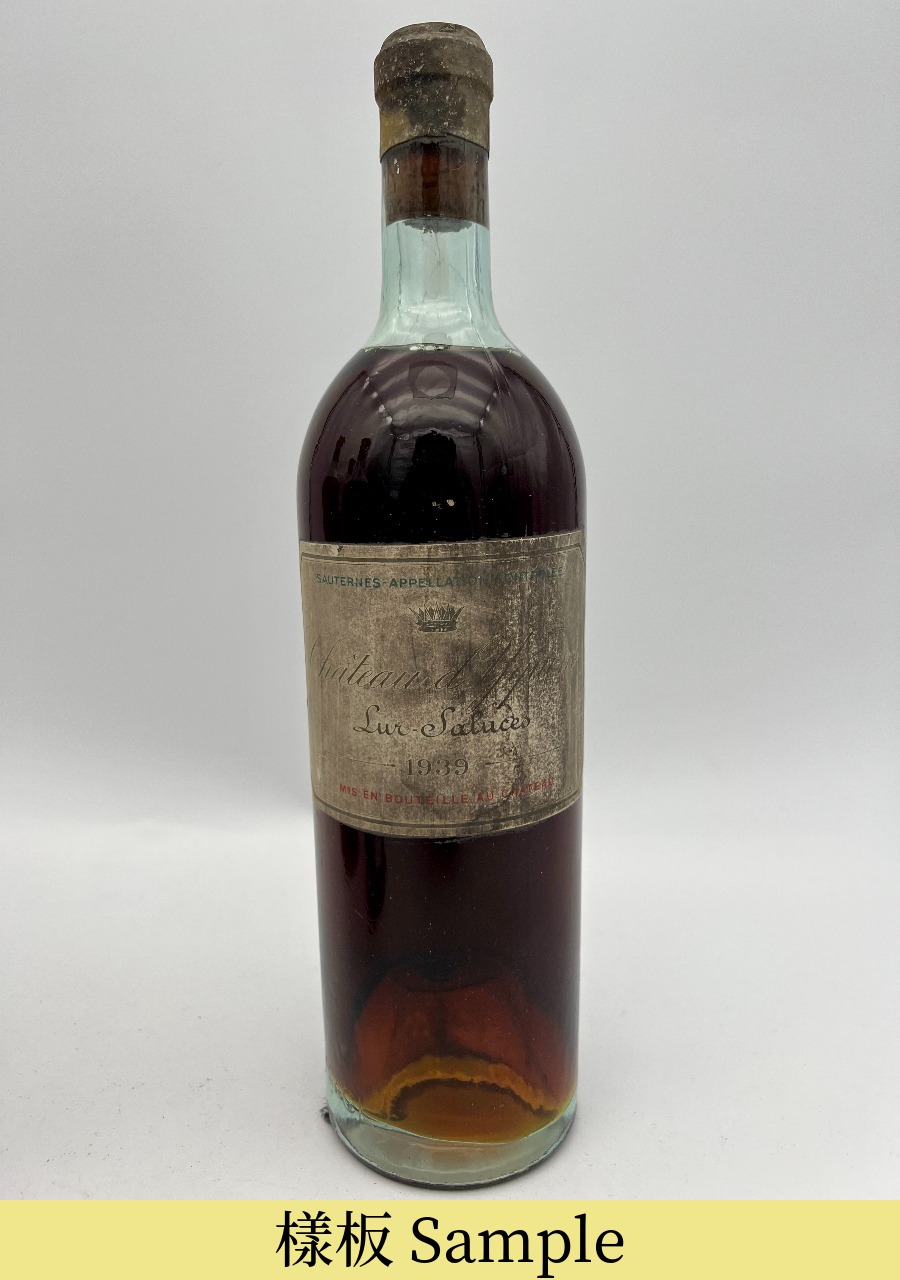
🏰【A rare and historically significant sweet wine from a challenging vintage, proving Yquem's enduring quality even on the cusp of war.】 The 1939 vintage was a "long forgotten vintage" but Chateau d'Yquem still produced a "thoroughly decent off-vintage" wine, harvested between September 30 and November 6. Michael Broadbent's "Vintage Wine" awarded it four stars. This lucid gold wine presents a light chlorine-tinged bouquet with melted wax scents, simple but pure. The palate offers a pleasing viscosity, almost Auslese-like in texture, with notes of Christmas cake, stewed fig, and marmalade. Some tasters have noted walnuts, caramel, and a hint of bitter chocolate, leading to a harmonious and long finish. It's described as fresh and commendably viscous, with touches of fig and marmalade adorning an economical finish. Other notes include honey, preserved citrus, cinnamon, and toast, with a marmalade taste and fruit rind bitterness. It is not a luscious, rich Yquem but is certainly engaging, showing complexity with freshness and a deceptively long finish.
🍴 This exquisite dessert white wine pairs superbly with foie gras, or rich blue cheeses.
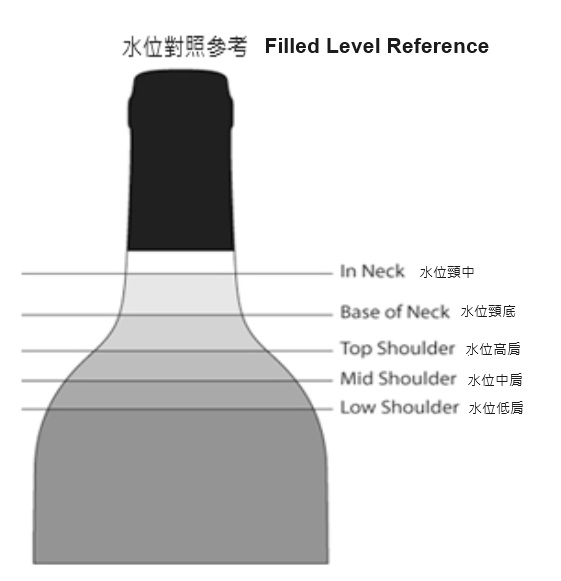
🥂 This is perfect for a truly special occasion, a historical tasting, or a contemplative evening for those who appreciate the profound evolution of aged sweet wines. For a wine of this age, expect potential variations in bottle condition, and be prepared for delicate corks and capsules. Decanting is recommended to allow the wine to express its aged complexities fully.
BACKGROUND
Chateau d'Yquem is a property in the Sauternes district of Bordeaux, making what is arguably the world's most famous dessert wine.The Yquem vineyard is planted to around 75 percent Semillon and 25 percent Sauvignon Blanc. A team of around 150 expert pickers are used each vintage and make multiple passes through the vineyard to ensure that only fully botrytized fruit is harvested. Yields are very low â about 900 liters per hectare, or around one glass per vine.
 Last One