FEATURES
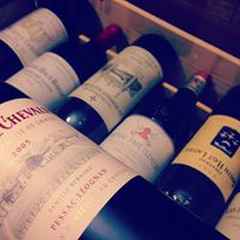
🏰 The 1957 Charles Noellat Romanée-Saint-Vivant Grand Cru is a truly rare historical bottling, representing a bygone era of 布根地 (Burgundy) winemaking. Charles Noellat was a significant name in Burgundy, with many of its esteemed vineyard holdings eventually acquired by legendary figures like Madame Leroy and Domaine de la Romanée-Conti, making these old bottles highly significant pieces of wine history. The 1957 vintage in Burgundy was generally considered challenging, with a small harvest that often produced lighter, more acidic wines. However, Grand Cru wines from top producers can possess a remarkable ability to defy vintage expectations and achieve extraordinary longevity. For a wine of this venerable age, expect tertiary aromas to dominate: delicate notes of dried roses, damp forest floor, elusive truffle, aged leather, and subtle spice. Any remaining fruit character would be in the realm of dried red berries, offering a whisper of its youthful vibrancy. The palate would likely be ethereal and delicate, with tannins fully integrated into a silky texture, leading to a long, contemplative finish. This wine is a testament to the enduring power of exceptional terroir and meticulous winemaking. 【Rare historical bottling from a legendary Grand Cru, a piece of Burgundy's past】
🥂 This truly exceptional and rare wine is best reserved for a momentous anniversary, a significant milestone, or a gathering of serious wine connoisseurs who appreciate the profound beauty of aged Burgundy. It is a wine to be savored for its historical significance and delicate, evolved complexity.
Serving Advice for this Aged Treasure:
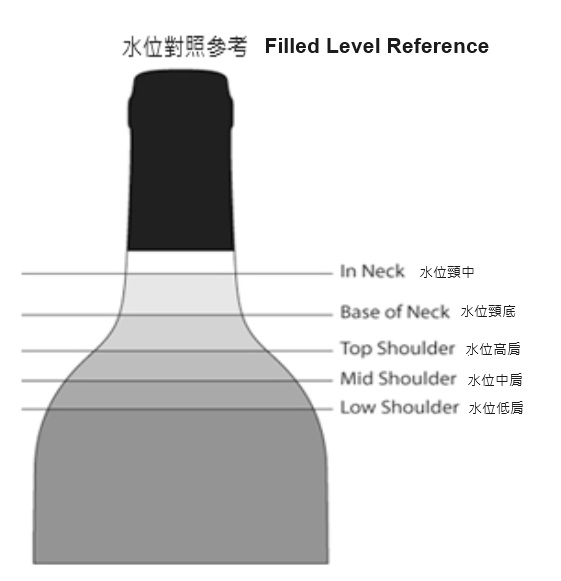
This 1957 Romanée-Saint-Vivant is a venerable old wine, and handling it requires utmost care. The cork and capsule may be fragile, so a Durand opener or an Ah-So opener is highly recommended to prevent cork breakage. Stand the bottle upright for several days before serving to allow any sediment to settle. Decanting should be approached with caution; a very gentle decant to remove sediment is advisable, but avoid excessive aeration, as very old wines can fade quickly once exposed to air. Serve slightly below room temperature, around 16-18°C (60-64°F), in large Burgundy glasses to appreciate its delicate aromas. Be prepared for a wine that may show signs of age, but also potentially profound complexity and ethereal beauty.
🍴 Given its extreme age and likely delicate nature, pair this wine with simple, elegant dishes that will not overpower its subtle nuances. Think roasted squab, delicate mushroom preparations, or very mild, aged cheeses. Avoid strong flavours or heavy sauces that could mask its evolved character.
 Last One