-
wine serving
What is the recommended serving temperature, decanting time, and drink window for this 1999 Chateau Gruaud Larose?
For this 1999 Chateau Gruaud Larose, we recommend serving it at 16-18°C. Decant for 1-1.5 hours to allow its complex aromas to fully develop. The optimal drink window is currently between 2024 and 2030. Given its age, we suggest using an Ah-So opener or a Sovy Vintage Wine Opener to protect the delicate cork.
-
asian food pairing / wine style
What is the style of this wine and what Asian dishes would pair well with it?
This Chateau Gruaud Larose is a classic Saint-Julien, known for its structured profile, earthy notes, and dark fruit character. It pairs wonderfully with hearty Asian dishes such as roasted pork belly, beef rendang, spicy Sichuan dishes, or Taiwanese three-cup chicken.
-
how to store at home
Could you provide details on the bottle's condition and best practices for home storage?
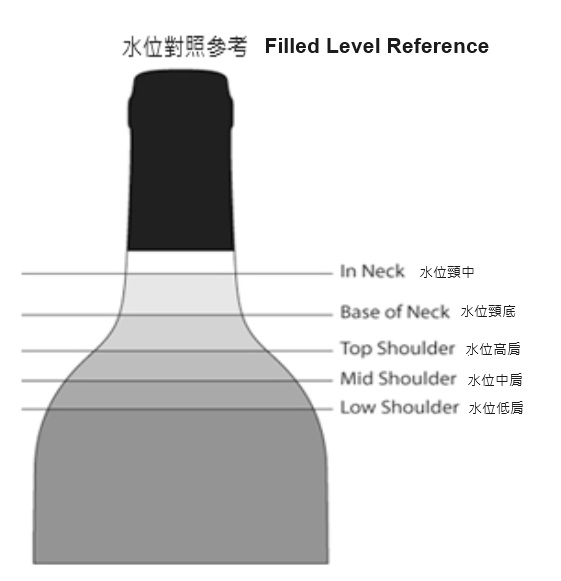
This bottle is in excellent condition with a perfect label (score 10), an ideal in-neck fill level (score 10), and an intact capsule (score 10). For home storage, ensure it is kept in a cool, dark place with stable temperature and humidity, away from vibrations and direct light, ideally on its side.
-
investment value / scores
What is the investment value of this wine and where can I find its scores?
Chateau Gruaud Larose is a well-regarded Saint-Julien, offering good value and solid aging potential. While not a top-tier investment wine, it can appreciate over time. You can find specific vintage scores and reviews from reputable critics like Robert Parker and Wine Spectator on their platforms.
-
delivery windows
What are the delivery expectations for this wine, considering chilled delivery?
As this wine is from our Europe/Pre-order stock, the estimated time of arrival (ETA) to Hong Kong is within 2 weeks. For delivery to Taiwan, please allow an additional 5 business days after arrival in Hong Kong. All deliveries are made using chilled transport to ensure optimal wine condition.
-
authenticity
How can I be assured of the authenticity and provenance of this wine?
We guarantee the authenticity of all our wines. This Chateau Gruaud Larose was sourced directly from certified EU suppliers, many of whom have been in business for over 100 years, ensuring impeccable provenance and storage history.
-
invoice / certificate of origin
What documentation is available for corporate orders?
For corporate orders, a Hong Kong invoice can be provided. For EU pre-order SKUs like this one, an on-demand Certificate of Origin is available at cost, should you require it for customs or other purposes.