FEATURES
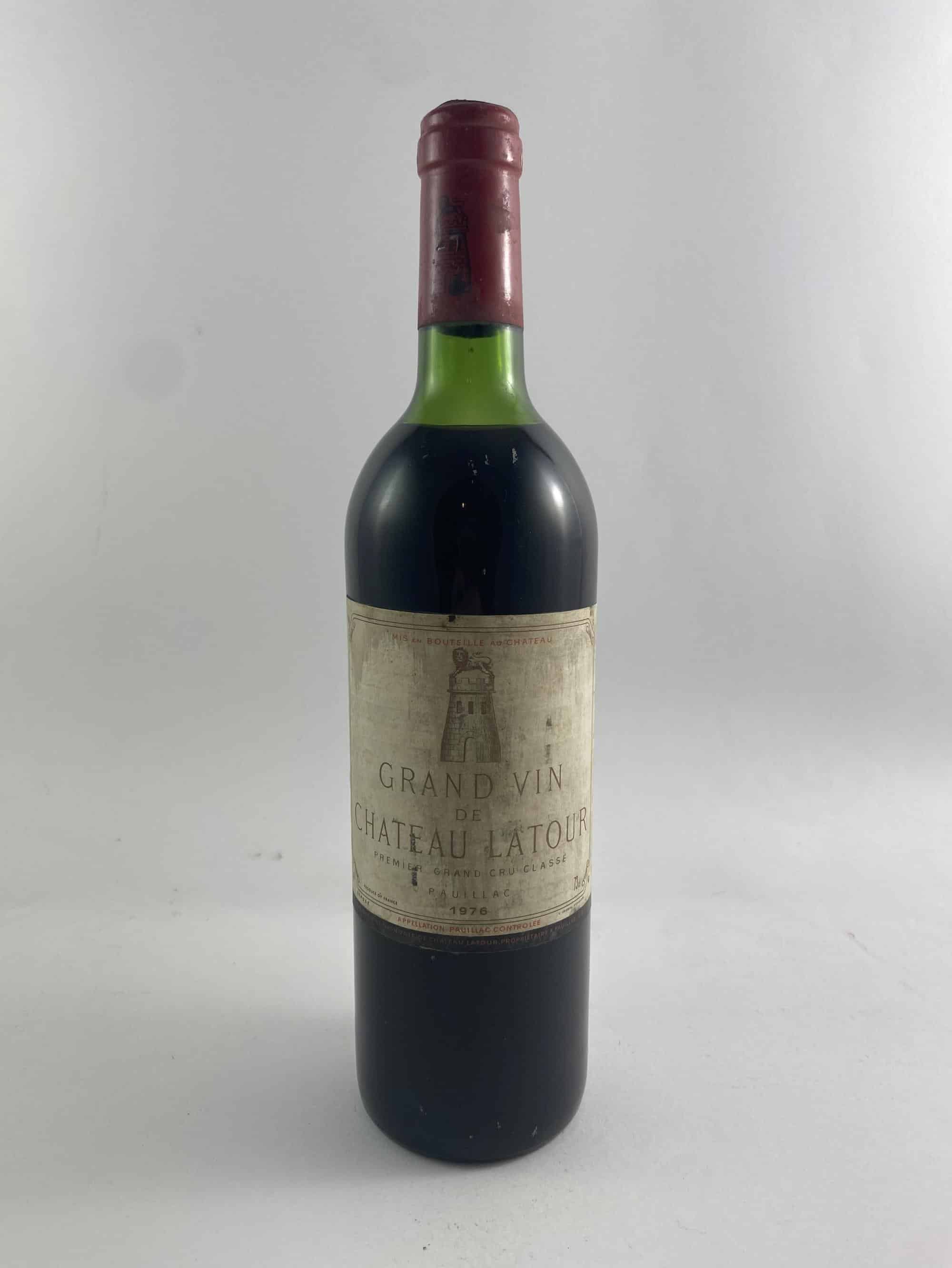
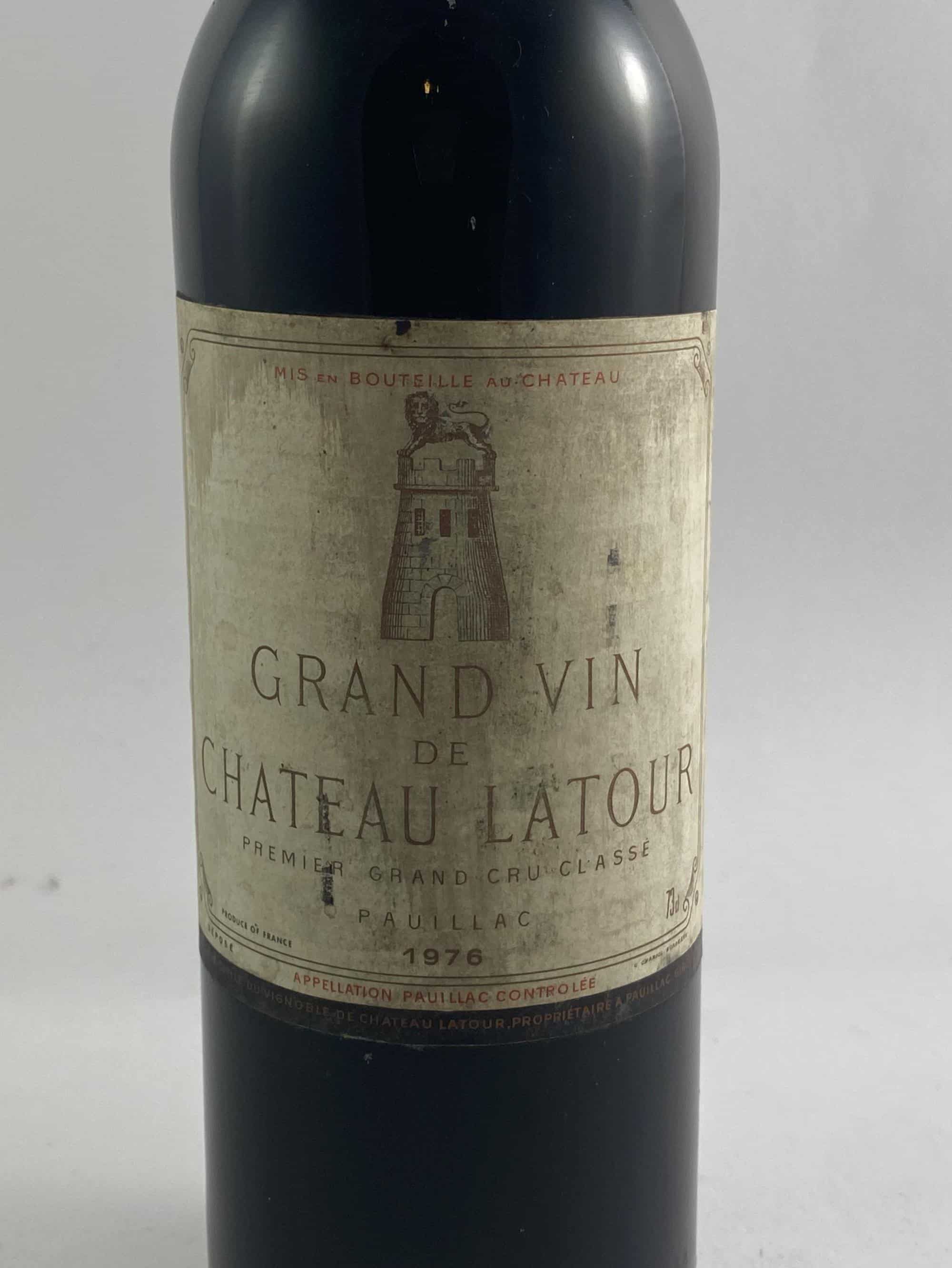
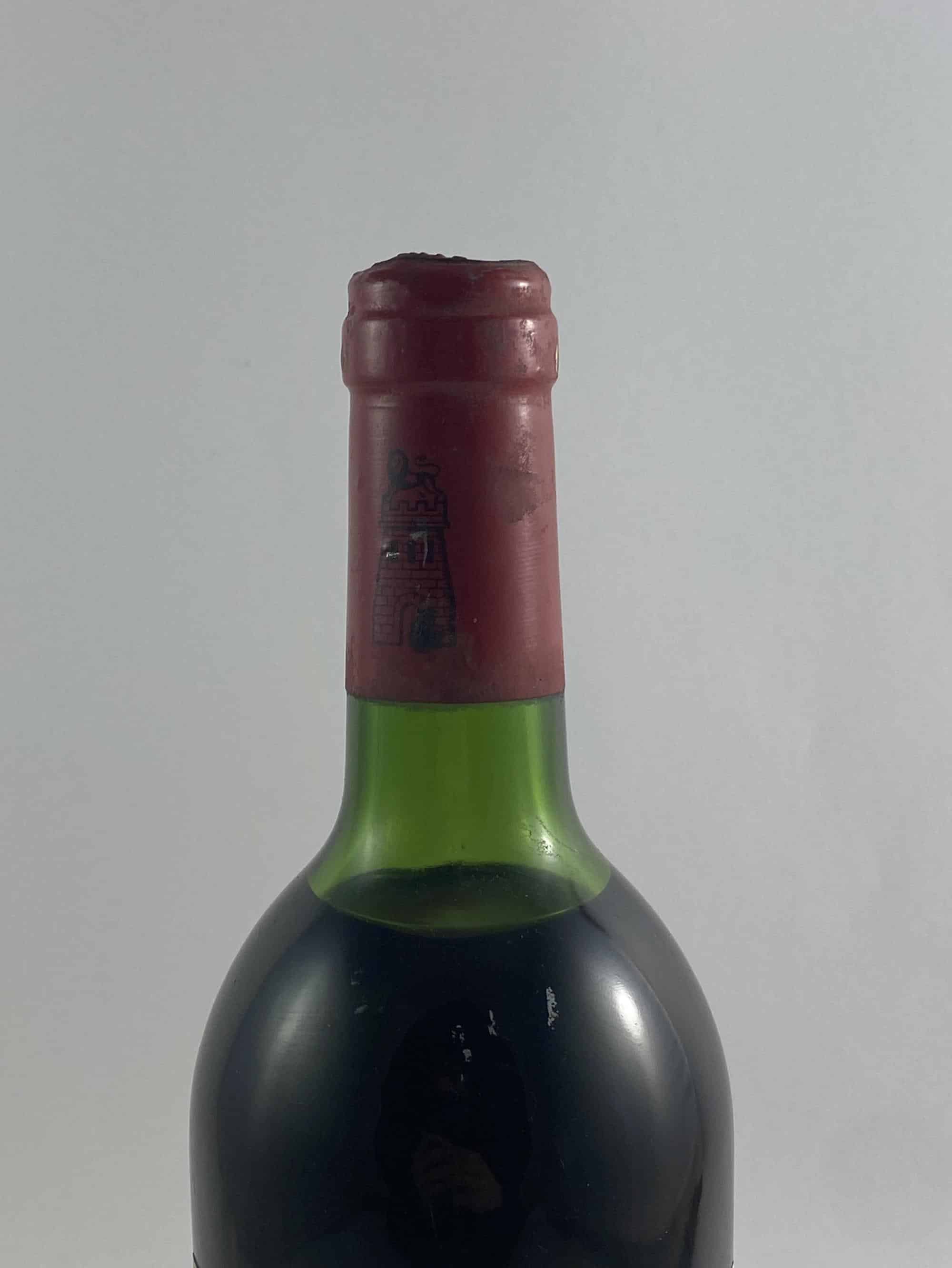
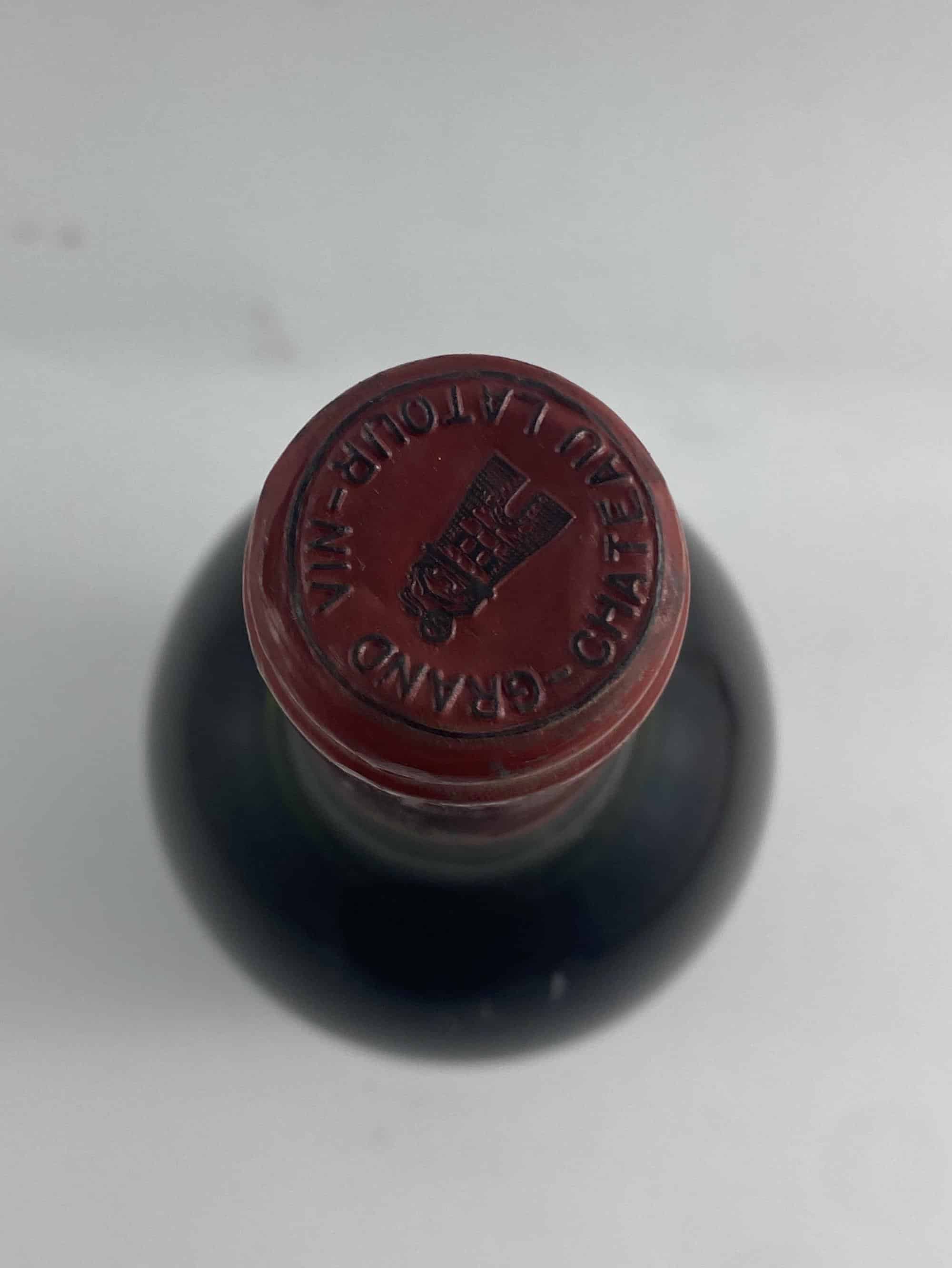
🏰 Château Latour, a Premier Grand Cru Classé, is a legendary estate in Pauillac, often regarded as the 'apotheosis of Pauillac and of Bordeaux' for its consistent quality, even in challenging vintages. 【Eminently satisfying and complete for a challenging vintage, showcasing Latour's consistent quality】 The 1976 vintage, while not highly regarded overall, is considered an 'eminently satisfying and complete wine' from Latour, showcasing the estate's ability to produce good wines in virtually every year.
This mature Bordeaux blend, despite its age, can still be remarkably alive. While some older notes describe a muted nose and a wine 'getting tired,' more recent tastings (2024) highlight a brilliant red crimson color, aromatic leather and spice notes, and a strong mint/eucalyptus character. The palate is often described as fine, elegant, balanced, and easy to drink, with leathery tertiary flavors and good acidity. The bouquet offers a fully mature blend of baked cassis, cigar ash, gravel, tobacco leaf, walnut, and hints of iron.
🍴 Given its age and evolved character, this wine pairs beautifully with classic, simple preparations of red meat or aged hard cheeses. Consider roast venison, braised beef, or a selection of mature Comté or Asiago.
🥂 This is a rare and special occasion wine, offering a unique glimpse into Bordeaux history. It's best enjoyed with true connoisseurs who appreciate the nuances and potential fragility of very old wines. The current drinking window is suggested to be now through 2026.
Serving Advice: This is a very old and potentially fragile wine. Stand the bottle upright for several days to allow any sediment to settle. Decant very carefully, perhaps just before serving, to separate the wine from its sediment, using a light source to monitor. Old corks will be extremely delicate; use a specialized opener like a Durand or an Ah-So. Serve slightly below room temperature, around 16-17°C (60-63°F), to preserve its delicate nuances and allow its tertiary aromas to unfold. Be prepared for a wine that may show significant tertiary development and less primary fruit.