Welcome!Thank you for visiting! We look forward to seeing you.Welcome!Email is used by othersPlease enter user emailpassword reset link is sent to your email , the link will be expired in 30 mins
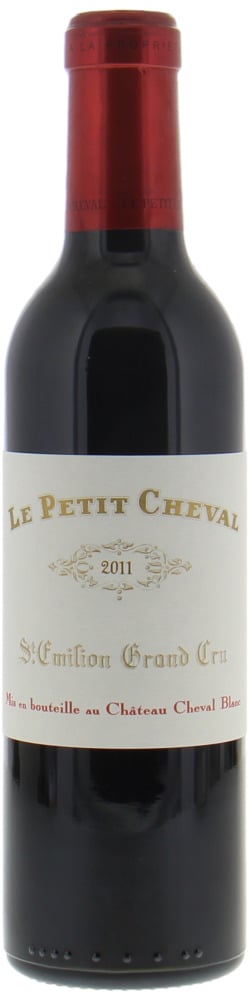
🏰 The 2011 vintage in Bordeaux was challenging, marked by an early, hot, and dry growing season, followed by a cooler, wetter August. However, meticulous vineyard management at top estates like Château Cheval Blanc allowed for the production of elegant and charming wines. Le Petit Cheval, the second wine of Château Cheval Blanc, from 2011, is known for its approachable style while still reflecting the estate's pedigree. Expect a wine with a lovely ruby color, offering aromatic notes of red berries, plums, and subtle floral hints, complemented by a touch of cedar and spice from oak aging. On the palate, it should be medium-bodied with fine-grained tannins, fresh acidity, and a graceful, persistent finish. It's designed to be enjoyed earlier than the Grand Vin but still possesses good aging potential. 【An elegant and approachable second wine from a challenging yet well-managed vintage】.
🍴 This refined Bordeaux red pairs beautifully with classic French cuisine such as roasted duck breast, pan-seared veal, or a delicate beef tenderloin. For Eastern cuisine, consider dishes like Cantonese roast pigeon or a refined mushroom and truffle risotto.
🥂 Le Petit Cheval 2011 is perfect for a sophisticated dinner party, a special anniversary, or a thoughtful gift for a Bordeaux lover. Its charming and accessible nature makes it suitable for enjoying now, but it will also reward a few more years of cellaring.
BACKGROUND
Chateau Cheval Blanc is a property in the Saint-Emilion region of Bordeaux, classified with the top ranking of Premier Grand Cru Classe A.The vineyard is located in the northwest of the region, bordering Pomerol – La Conseillante is a neighbor – and consists of 39 hectares (96 acres) divided into 45 plots. There is an unusually high amount of Cabernet Franc planted, about 49 percent, with 47 percent Merlot and 4 percent Cabernet Sauvignon. The unusual planting proportions reflect the terroir; most vineyards in the region are either clay or gravel-based over impermeable sedimentary rock, but Cheval Blanc is unique in having a patchwork of soils with the two types in roughly equal proportions. The clay soils provide base wines with velvety tannins, while those from gravel soils are more aromatic and elegant.