Welcome!Thank you for visiting! We look forward to seeing you.Welcome!Email is used by othersPlease enter user emailpassword reset link is sent to your email , the link will be expired in 30 mins
🏰 The 1983 Chateau Pavie is a 【matured Claret, now reaching full maturity and offering an attractive bouquet of rich raspberry and plummy fruit intermingled with scents of new oak and herbs】. While 1983 was a good vintage overall, it wasn't considered a top-quality year, yet this Pavie has developed beautifully. It displays a deep ruby red color with light orange highlights, indicating its maturity. On the palate, it's medium to full-bodied with soft, well-integrated tannins, revealing notes of cedarwood, tobacco, leather, and a hint of prune.
🍴 This aged Bordeaux pairs wonderfully with all types of classic meat dishes, such as veal, pork, beef, lamb, duck, and game. It also complements Asian dishes, rich fish courses like tuna, mushrooms, and pasta. For a refined Chinese pairing, consider a slow-cooked oxtail ragout or lacquered pork belly.
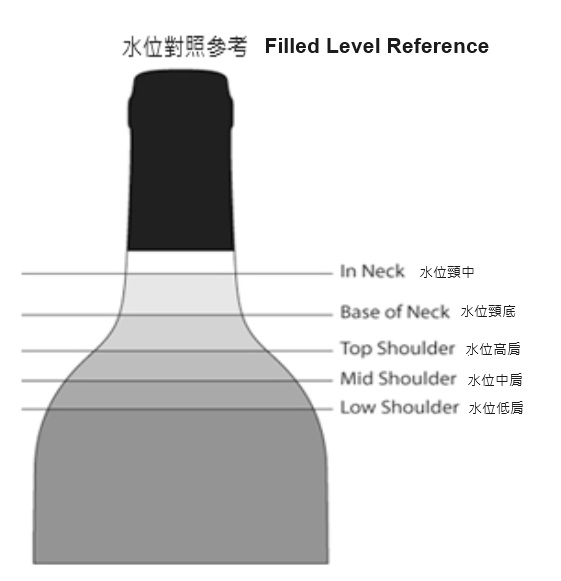
🥂 This is a superb bottle for a significant anniversary, a special family gathering, or a serious wine tasting. It's a testament to the aging potential of fine Bordeaux. Expect a tertiary profile with notes of tobacco, caramel, and dark and dried fruits. Older wines like this may have fragile corks and capsules, so open with care. Decant at 16-18°C (60-64°F) for 1-2 hours to allow it to open up and remove any sediment.
 Last One